
What Is Economic Development?
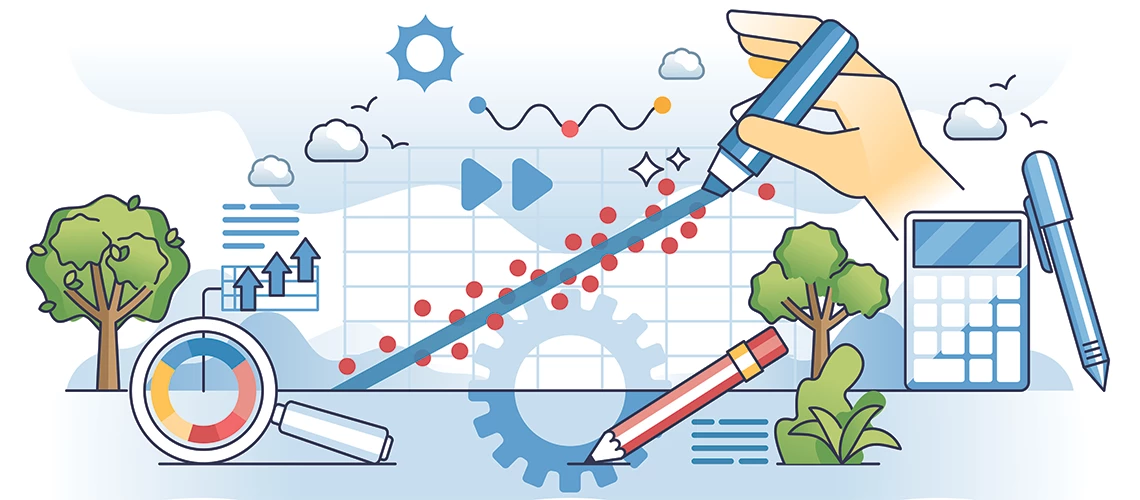
What Is Economic Development?
Economic development is a broad and multifaceted concept that refers to the sustained improvement of a country’s or region’s economic well-being and quality of life. While it is often associated with economic growth—typically measured by increases in Gross Domestic Product (GDP)—economic development goes far beyond simple increases in income or output. It encompasses structural transformations, improvements in living standards, reduction of poverty, expansion of opportunities, and the creation of a more inclusive and sustainable economy.
At its core, economic development is about enhancing people’s lives. It seeks to create an environment where individuals can access better education, healthcare, employment opportunities, and a higher standard of living. This means that development is not only about how much wealth a country produces, but also about how that wealth is distributed and whether it leads to meaningful improvements in human welfare.
Economic Growth vs. Economic Development
Although the terms are often used interchangeably, economic growth and economic development are distinct. Economic growth refers specifically to an increase in a country’s output of goods and services over time. It is usually quantified through metrics such as GDP or national income.
Economic development, on the other hand, is a more comprehensive concept. It includes economic growth but also considers qualitative aspects such as income distribution, environmental sustainability, social equity, and institutional strength. For example, a country may experience rapid economic growth due to natural resource extraction, but if the benefits are concentrated among a small elite and do not improve the general population’s well-being, true economic development has not occurred.
Key Components of Economic Development
Several core components define economic development:
-
Improvement in Living Standards
This includes higher incomes, better housing, access to clean water, improved healthcare, and quality education. Development aims to ensure that basic human needs are met and that individuals can lead dignified lives. -
Reduction of Poverty and Inequality
A central goal of economic development is to reduce poverty and narrow the gap between rich and poor. This involves creating opportunities for marginalized groups and ensuring equitable access to resources and services. -
Structural Transformation
Economic development often involves a shift from agriculture-based economies to industrial and service-oriented ones. This transformation typically leads to higher productivity and more diverse economic activities. -
Employment Generation
Creating jobs is essential for development. Productive employment not only provides income but also fosters social stability and individual empowerment. -
Institutional and Governance Improvements
Effective institutions, rule of law, transparency, and good governance are crucial for sustainable development. Strong institutions help ensure that economic policies are implemented efficiently and fairly. -
Sustainability
Modern economic development emphasizes sustainability—ensuring that growth does not come at the expense of future generations. This includes environmental protection and responsible resource management.
Determinants of Economic Development
Several factors influence a country’s ability to achieve economic development:
-
Human Capital: Education, skills, and health of the population significantly affect productivity and innovation.
-
Physical Capital: Infrastructure such as roads, electricity, and communication systems supports economic activity.
-
Natural Resources: Availability of resources can provide a foundation for development, though reliance on them alone can also pose risks.
-
Technology and Innovation: Technological advancement drives efficiency and creates new industries.
-
Political Stability and Governance: Stable political environments and effective governance attract investment and foster growth.
-
Global Integration: Participation in international trade and investment can accelerate development by providing access to larger markets and new technologies.
Measurement of Economic Development
Because economic development is multidimensional, it cannot be captured by a single indicator. While GDP per capita is commonly used, it does not reflect inequality, environmental factors, or quality of life.
Alternative measures include:
-
Human Development Index (HDI): Combines indicators of income, education, and life expectancy.
-
Multidimensional Poverty Index (MPI): Assesses various deprivations faced by individuals in health, education, and living standards.
-
Gini Coefficient: Measures income inequality within a population.
These indicators provide a more comprehensive understanding of development by considering both economic and social dimensions.
The Role of Government in Economic Development
Governments play a critical role in promoting economic development. Through policies and programs, they can create an enabling environment for growth and ensure that its benefits are widely shared.
Key government functions include:
-
Investment in Infrastructure: Building roads, schools, and hospitals to support economic activity and improve living conditions.
-
Education and Healthcare: Enhancing human capital through public services.
-
Regulation and Institutions: Establishing laws and institutions that promote fairness, protect property rights, and reduce corruption.
-
Economic Policies: Implementing fiscal and monetary policies to stabilize the economy and encourage investment.
-
Social Protection: Providing safety nets for vulnerable populations to reduce poverty and inequality.
Challenges to Economic Development
Despite progress in many parts of the world, numerous challenges persist:
-
Persistent Poverty: Many countries still struggle to provide basic necessities for their populations.
-
Income Inequality: Wealth disparities can limit opportunities and social mobility.
-
Environmental Degradation: Unsustainable practices can damage ecosystems and threaten long-term development.
-
Political Instability: Conflicts and weak governance hinder economic progress.
-
Global Inequalities: Differences in access to technology, capital, and markets create uneven development across countries.
Addressing these challenges requires coordinated efforts at national and international levels, including cooperation among governments, private sectors, and global organizations.
Sustainable and Inclusive Development
In recent years, the focus has shifted toward sustainable and inclusive development. This approach emphasizes that economic progress should benefit all segments of society while preserving the environment.
Inclusive development ensures that marginalized groups—such as women, minorities, and rural populations—have access to opportunities and resources. Sustainable development, meanwhile, promotes responsible use of natural resources and addresses issues such as climate change.
Together, these approaches aim to create a balanced model of development that supports long-term prosperity without compromising future generations.
Conclusion
Economic development is a complex and dynamic process that goes beyond mere economic growth. It involves improving living standards, reducing poverty and inequality, transforming economic structures, and ensuring sustainability. By focusing on both quantitative and qualitative aspects of progress, economic development seeks to create a more equitable and prosperous society.
Achieving economic development requires a combination of sound policies, strong institutions, investment in human and physical capital, and a commitment to inclusivity and sustainability. While challenges remain, continued efforts and innovation can help societies move toward a future where economic progress translates into real improvements in people’s lives.
- Arts
- Business
- Computers
- Oyunlar
- Health
- Home
- Kids and Teens
- Money
- News
- Personal Development
- Recreation
- Regional
- Reference
- Science
- Shopping
- Society
- Sports
- Бизнес
- Деньги
- Дом
- Досуг
- Здоровье
- Игры
- Искусство
- Источники информации
- Компьютеры
- Личное развитие
- Наука
- Новости и СМИ
- Общество
- Покупки
- Спорт
- Страны и регионы
- World

 English
 Russian
 French
 Spanish
 Portuguese
 Deutsch
 Dutch
Dutch
 Italiano
 Arabic
 Romaian
 Portuguese (Brazil)
 Greek
Greek