
What is GDP per Capita and How Does It Relate to Development?
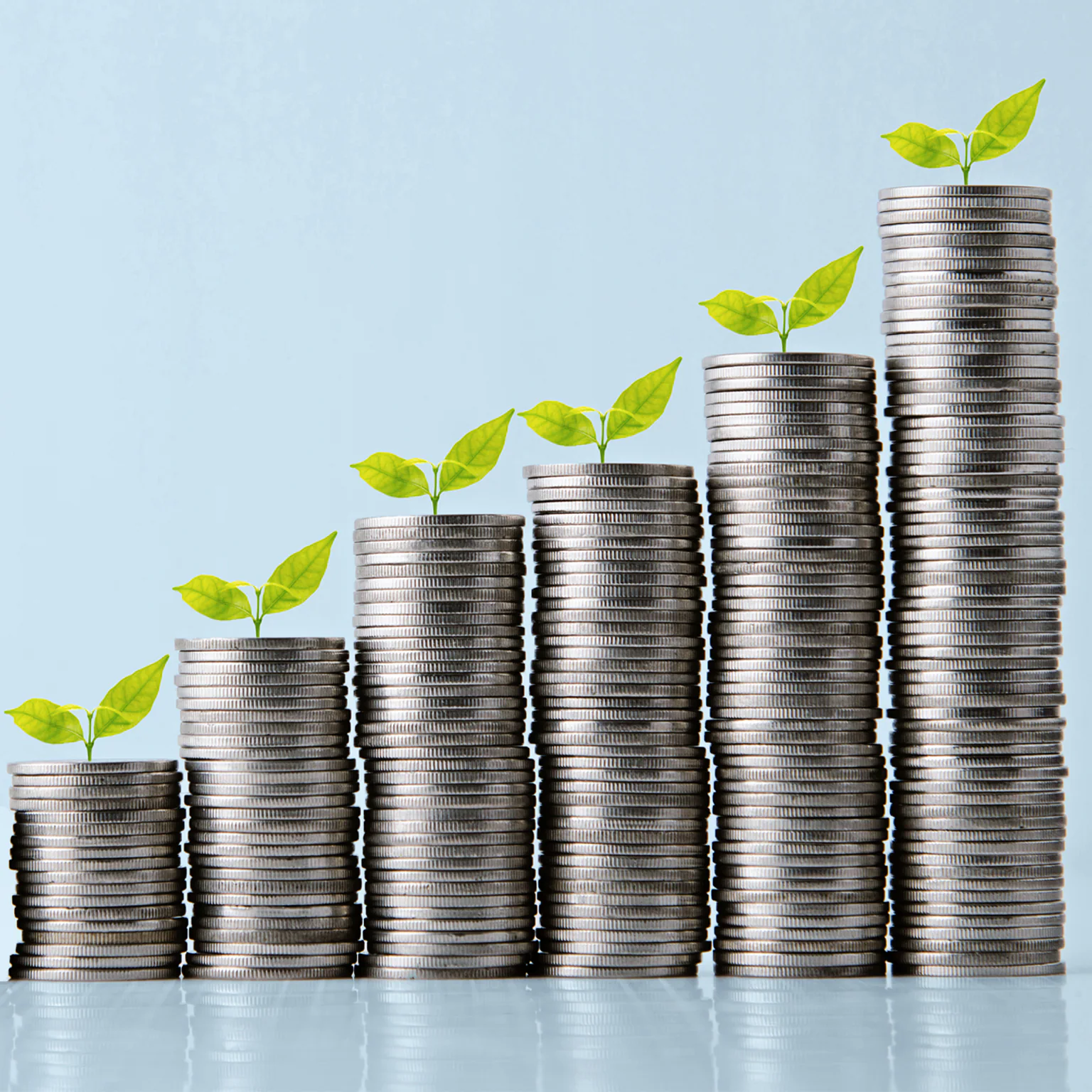
What is GDP per Capita and How Does It Relate to Development?
Gross Domestic Product (GDP) per capita is one of the most widely used indicators in economics for assessing a country’s economic performance and the average standard of living of its people. While GDP measures the total value of goods and services produced within a country over a specific period, GDP per capita adjusts this figure by dividing it by the population. This simple calculation provides a more meaningful way to compare economic well-being across countries of different sizes.
Understanding GDP per capita is essential for grasping how economists and policymakers evaluate development. However, while it is a useful tool, it is not a perfect measure. To fully understand its role, it is important to examine what GDP per capita represents, how it is calculated, and how it connects—both positively and imperfectly—to broader concepts of development.
What is GDP per Capita?
GDP per capita is calculated using the following formula:
GDP per capita = Total GDP ÷ Total Population
For example, if a country has a GDP of $1 trillion and a population of 50 million people, its GDP per capita would be $20,000. This figure represents the average economic output per person and is often interpreted as an approximation of average income.
GDP itself can be measured in nominal terms (current market prices) or adjusted for purchasing power parity (PPP), which accounts for differences in price levels between countries. GDP per capita in PPP terms is often preferred when comparing living standards internationally because it reflects what people can actually afford in their local economies.
Why GDP per Capita Matters
GDP per capita is commonly used as a proxy for economic well-being. Countries with higher GDP per capita tend to have more resources available per person, which often translates into better access to goods and services such as healthcare, education, housing, and infrastructure.
Economists and international organizations frequently classify countries into categories—such as low-income, middle-income, and high-income—based largely on GDP per capita. This classification helps guide development policies, foreign aid allocation, and investment decisions.
In general, there is a strong correlation between GDP per capita and many indicators of quality of life. Higher GDP per capita is often associated with:
-
Longer life expectancy
-
Higher literacy rates
-
Better access to healthcare
-
Improved infrastructure
-
Greater technological advancement
Because of these relationships, GDP per capita is often seen as a quick snapshot of a country’s level of development.
GDP per Capita and Economic Development
Economic development refers to improvements in living standards, reduction in poverty, and expansion of economic opportunities. GDP per capita plays a central role in measuring development because it reflects the average economic capacity of individuals within a country.
-
Indicator of Living Standards
A rising GDP per capita generally suggests that people, on average, are becoming wealthier. This can lead to improved consumption, better housing, and access to essential services. For developing countries, sustained increases in GDP per capita are often a key goal, as they signal progress toward higher living standards. -
Productivity and Efficiency
Higher GDP per capita often reflects greater productivity—meaning that workers are producing more output per person. This can result from better education, advanced technology, improved infrastructure, or more efficient institutions. -
Investment and Growth
Countries with higher GDP per capita tend to attract more investment, both domestic and foreign. Investors are often drawn to stable, wealthier economies with strong consumer markets. This, in turn, can further stimulate growth and development. -
Government Capacity
Higher GDP per capita typically means higher tax revenues for governments, enabling greater public spending on social services, infrastructure, and development programs. This creates a cycle where economic growth supports further development.
Limitations of GDP per Capita as a Measure of Development
Despite its usefulness, GDP per capita has significant limitations. It does not capture the full picture of development and can sometimes be misleading if used alone.
-
Income Inequality
GDP per capita is an average, which means it does not show how income is distributed. A country may have a high GDP per capita but still experience significant inequality, where a small portion of the population holds most of the wealth while others live in poverty. -
Non-Market Activities
GDP does not include unpaid work such as household labor or volunteer activities, which can be especially important in developing economies. As a result, GDP per capita may underestimate actual economic contributions. -
Quality of Life Factors
GDP per capita does not directly measure important aspects of well-being such as health, education quality, environmental sustainability, or personal happiness. Two countries with similar GDP per capita may have very different living conditions. -
Environmental Costs
Economic growth measured by GDP can sometimes come at the expense of environmental degradation. GDP per capita does not account for pollution, resource depletion, or long-term ecological damage. -
Informal Economy
In many developing countries, a large portion of economic activity occurs in the informal sector and may not be fully captured in official GDP statistics. This can lead to underestimation of actual economic activity and living standards.
Complementary Measures of Development
Because of these limitations, economists often use GDP per capita alongside other indicators to get a more comprehensive view of development.
One widely used measure is the Human Development Index (HDI), which combines GDP per capita with indicators of education and life expectancy. This provides a broader perspective on human well-being.
Other important indicators include:
-
Poverty rates
-
Income inequality (e.g., Gini coefficient)
-
Access to healthcare and education
-
Employment levels
-
Environmental sustainability metrics
By combining these measures, policymakers can better understand not just how much wealth a country generates, but how that wealth is distributed and how it affects people’s lives.
The Relationship Between Growth and Development
While GDP per capita growth is often associated with development, the relationship is not automatic. Economic growth can occur without meaningful improvements in people’s lives if the benefits are not widely shared or if growth is unsustainable.
For example, a country may experience rapid GDP growth due to natural resource extraction, but if the revenues are concentrated among elites or foreign companies, the broader population may see little benefit. Similarly, growth driven by environmentally harmful practices may undermine long-term development.
Therefore, development is best understood as a multidimensional process that includes economic, social, and environmental progress. GDP per capita is an important part of this process, but it is not sufficient on its own.
Conclusion
GDP per capita is a fundamental economic indicator that provides insight into the average economic output and potential living standards of a country’s population. It plays a central role in comparing countries, guiding policy decisions, and assessing economic performance.
However, while it is closely linked to development, GDP per capita is not a complete measure of it. It does not account for inequality, quality of life, environmental sustainability, or many other critical aspects of human well-being. As a result, it should be used in combination with other indicators to gain a fuller understanding of development.
In essence, GDP per capita tells us how much wealth a country generates per person, but development is about how that wealth improves people’s lives. The distinction between the two is crucial for creating policies that promote not just economic growth, but inclusive and sustainable progress.
- Arts
- Business
- Computers
- Jocuri
- Health
- Home
- Kids and Teens
- Money
- News
- Personal Development
- Recreation
- Regional
- Reference
- Science
- Shopping
- Society
- Sports
- Бизнес
- Деньги
- Дом
- Досуг
- Здоровье
- Игры
- Искусство
- Источники информации
- Компьютеры
- Личное развитие
- Наука
- Новости и СМИ
- Общество
- Покупки
- Спорт
- Страны и регионы
- World

 English
 Russian
 French
 Spanish
 Portuguese
 Deutsch
 Turkish
 Dutch
Dutch
 Italiano
 Arabic
 Portuguese (Brazil)
 Greek
Greek