
How do I create a minimalist wardrobe?
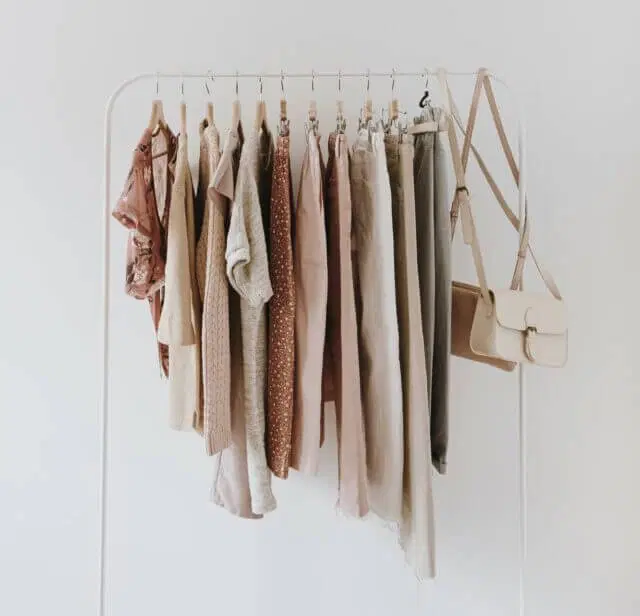
How Do I Create a Minimalist Wardrobe?
A minimalist wardrobe is not about depriving yourself or reducing your clothing to an extreme. It is about intentionality, efficiency, and clarity—owning fewer, better items that work together seamlessly and reflect your lifestyle. The goal is to eliminate decision fatigue, reduce clutter, and ensure that everything you wear serves a purpose.
This guide walks through the process step-by-step, combining practical strategy with principles from behavioral psychology and wardrobe design.
What Is a Minimalist Wardrobe?
A minimalist wardrobe—often called a “capsule wardrobe”—is a curated collection of clothing that:
-
Fits your lifestyle and climate
-
Mixes and matches easily
-
Prioritizes quality over quantity
-
Eliminates rarely worn items
Instead of having 100+ disconnected pieces, you might have 30–50 highly versatile ones that can create dozens of outfits.
The key principle: every item earns its place.
Why Build a Minimalist Wardrobe?
Before diving into the process, it’s important to understand the benefits. These aren’t just aesthetic—they’re functional and psychological.
1. Reduced Decision Fatigue
Choosing what to wear becomes faster and easier. With fewer options, your brain spends less energy deciding, leaving more cognitive bandwidth for meaningful tasks.
2. Improved Personal Style
When every item aligns with your preferences, your wardrobe becomes more cohesive. You stop buying random pieces and start building a consistent identity.
3. Time and Space Efficiency
Less clutter means:
-
Faster outfit selection
-
Easier laundry management
-
More physical space
4. Financial Discipline
Minimalism encourages intentional purchasing:
-
Fewer impulse buys
-
More investment in quality pieces
Step 1: Define Your Lifestyle and Needs
A minimalist wardrobe must be functional first. Start by analyzing how you actually live.
Ask yourself:
-
What do I do daily? (work, gym, social events, home)
-
What is my climate?
-
Do I need formal wear regularly?
Break your life into categories:
-
Workwear
-
Casual wear
-
Activewear
-
Special occasions
Allocate wardrobe space proportionally. For example, if you work from home, you’ll need fewer formal pieces.
Step 2: Declutter Your Current Wardrobe
This is the most critical phase. You cannot build minimalism on top of clutter.
The Sorting Method
Take everything out and categorize items into:
-
Keep – fits well, worn often, aligns with your style
-
Maybe – unsure items
-
Remove – rarely worn, damaged, or doesn’t fit
Key Questions to Ask
For each item:
-
Have I worn this in the last year?
-
Does it fit properly?
-
Do I feel confident wearing it?
-
Can I create at least 3 outfits with it?
If the answer is “no” to most, it should go.
The “Maybe Box” Strategy
Place uncertain items in a box for 30–60 days. If you don’t reach for them, you likely don’t need them.
Step 3: Define Your Personal Style
Minimalism works best when your wardrobe is cohesive.
Identify Your Aesthetic
Look for patterns in what you like:
-
Colors (neutral vs bold)
-
Fits (loose, tailored, athletic)
-
Materials (cotton, wool, denim)
You don’t need a label like “streetwear” or “classic”—just clarity.
Create a Style Reference
You can:
-
Save outfit photos
-
Build a simple mood board
-
Note recurring themes
This becomes your filter for future purchases.
Step 4: Build a Core Color Palette
A strong color system is essential for versatility.
Recommended Structure
-
Base colors (60–70%): black, white, gray, navy, beige
-
Secondary colors (20–30%): muted tones like olive, brown, denim blue
-
Accent colors (10%): occasional statement pieces
This ensures that most items:
-
Match easily
-
Require minimal effort to style
Step 5: Choose Essential Pieces
Your wardrobe should consist of versatile staples.
Example Minimalist Wardrobe (General)
Tops
-
5–8 t-shirts
-
2–4 long sleeves
-
2–3 button-ups or blouses
Bottoms
-
2–3 jeans
-
2–3 trousers
-
1–2 casual options (shorts, skirts)
Outerwear
-
1 light jacket
-
1 heavier coat
Shoes
-
1 casual pair
-
1 formal pair
-
1 functional pair (e.g., sneakers, boots)
Extras
-
Undergarments
-
Sleepwear
-
Accessories
The exact number varies, but the principle remains: maximize combinations, minimize redundancy.
Step 6: Focus on Quality Over Quantity
Minimalism shifts your mindset from buying more to buying better.
Why Quality Matters
High-quality clothing:
-
Lasts longer
-
Fits better
-
Looks cleaner over time
What to Look For
-
Durable fabrics
-
Strong stitching
-
Good fit and structure
Spending more upfront often reduces long-term costs.
Step 7: Optimize Fit and Tailoring
Fit is one of the most overlooked aspects of a wardrobe.
Even a simple outfit looks polished when:
-
Sleeves hit correctly
-
Pants break properly
-
Shoulders align
Consider tailoring for key items—it significantly increases perceived quality.
Step 8: Create Outfit Systems
A minimalist wardrobe works because it’s systematic.
The “Mix-and-Match” Rule
Each item should work with multiple others.
For example:
-
One shirt pairs with 3 bottoms
-
One jacket works across multiple outfits
This creates exponential combinations from fewer pieces.
Outfit Templates
Define go-to combinations:
-
Casual: t-shirt + jeans + sneakers
-
Smart casual: button-up + trousers + loafers
This removes daily decision-making entirely.
Step 9: Maintain Your Wardrobe
Minimalism is not a one-time task—it’s ongoing.
The One-In, One-Out Rule
When you buy something new:
-
Remove an old item
This prevents accumulation.
Seasonal Reviews
Every 3–6 months:
-
Reassess your wardrobe
-
Remove unused items
-
Adjust for weather changes
Step 10: Avoid Common Mistakes
1. Going Too Minimal Too Fast
Drastically reducing your wardrobe can backfire. You may remove items you actually need.
Solution: gradual reduction.
2. Ignoring Lifestyle Needs
Aesthetic minimalism can conflict with practical needs.
Example:
-
Owning only 2 outfits when you need variety for work
Always prioritize function.
3. Buying “Minimalist” Instead of Useful
Minimalism is not about buying neutral-colored items—it’s about usefulness.
Avoid:
-
Trend-driven minimalism
-
Items that don’t fit your life
4. Over-Optimizing
Spending excessive time perfecting your wardrobe defeats the purpose.
Minimalism should simplify, not complicate.
Minimalism and Identity
A minimalist wardrobe often leads to a shift in how you view clothing.
Instead of:
-
Constant consumption
-
Chasing trends
You move toward:
-
Intentional ownership
-
Personal expression
Clothing becomes a tool, not a distraction.
Digital and Shopping Habits
To sustain a minimalist wardrobe, you must adjust how you shop.
Strategies
-
Wait 24–72 hours before buying
-
Avoid impulse purchases
-
Keep a “needs list”
Ask Before Buying
-
Does this match at least 3 items I own?
-
Do I actually need it?
-
Will I wear it often?
Example: A Functional Minimalist Wardrobe
Imagine a wardrobe with:
-
6 neutral tops
-
3 bottoms
-
2 jackets
-
3 shoes
With proper coordination, this can create:
-
20+ outfit combinations
This demonstrates the core principle: efficiency through intentional design.
Psychological Benefits
A minimalist wardrobe offers more than practicality.
1. Reduced Stress
Less clutter leads to a calmer environment.
2. Increased Confidence
When every item fits and suits you, you feel more put-together.
3. Greater Focus
You spend less time thinking about clothing and more time on meaningful tasks.
Is a Minimalist Wardrobe Right for You?
Minimalism is not a rigid rule—it’s a flexible framework.
It works best if you:
-
Feel overwhelmed by clothing choices
-
Want a more organized lifestyle
-
Value efficiency and simplicity
It may not suit you if:
-
You enjoy large fashion variety
-
Your lifestyle requires diverse outfits
Final Thoughts
Creating a minimalist wardrobe is not about having fewer clothes—it’s about having the right clothes.
By:
-
Decluttering intentionally
-
Defining your style
-
Building a cohesive system
-
Maintaining discipline
You create a wardrobe that:
-
Saves time
-
Reduces stress
-
Enhances your personal style
Ultimately, a minimalist wardrobe is a tool for clarity. It removes unnecessary complexity from daily life, allowing you to focus on what truly matters.
- Arts
- Business
- Computers
- Juegos
- Health
- Home
- Kids and Teens
- Money
- News
- Personal Development
- Recreation
- Regional
- Reference
- Science
- Shopping
- Society
- Sports
- Бизнес
- Деньги
- Дом
- Досуг
- Здоровье
- Игры
- Искусство
- Источники информации
- Компьютеры
- Личное развитие
- Наука
- Новости и СМИ
- Общество
- Покупки
- Спорт
- Страны и регионы
- World

 English
 Russian
 French
 Portuguese
 Deutsch
 Turkish
 Dutch
Dutch
 Italiano
 Arabic
 Romaian
 Portuguese (Brazil)
 Greek
Greek