
Is minimalism a trend or a lifestyle?
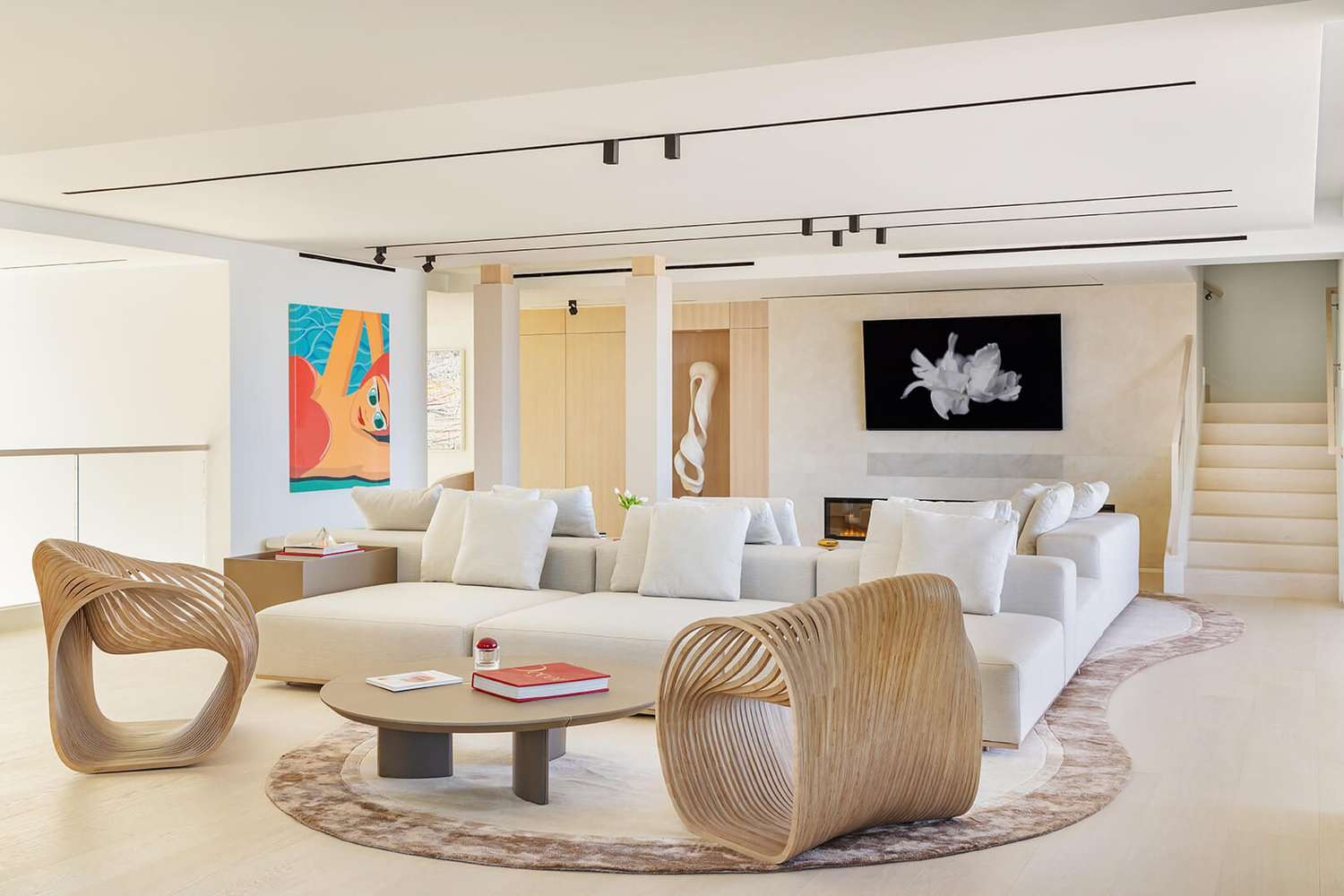
Is Minimalism a Trend or a Lifestyle?
Minimalism occupies an unusual position in modern culture. It is simultaneously a design aesthetic, a productivity strategy, a consumer behavior framework, and a philosophical approach to life. Because of this versatility, it is often debated whether minimalism is merely a temporary trend amplified by social media or a durable lifestyle philosophy grounded in deeper structural and psychological principles.
The most accurate answer is not binary. Minimalism functions as both a trend and a lifestyle depending on how it is adopted, practiced, and understood. However, the distinction between the two forms is critical: one is surface-level and aesthetic-driven, while the other is internalized and behavior-driven.
Defining “Trend” vs “Lifestyle”
To evaluate minimalism properly, we must first define the terms.
What is a trend?
A trend is characterized by:
-
Short-term popularity
-
External adoption (influenced by media, influencers, culture)
-
Surface-level implementation
-
High variability over time
-
Low commitment depth
Trends often manifest as:
-
Aesthetic choices
-
Viral content
-
Fashion cycles
-
Social media movements
Trends are typically imitated rather than deeply integrated.
What is a lifestyle?
A lifestyle is characterized by:
-
Long-term behavioral consistency
-
Internalized values
-
Structural changes in habits
-
Cross-context application (home, work, finance, relationships)
-
Stability over time
A lifestyle is not dependent on external validation; it persists even without cultural attention.
Minimalism as a Trend
Minimalism clearly exhibits many characteristics of a trend, especially in its modern, social-media-driven form.
1. Aesthetic Minimalism
One of the most visible versions of minimalism is aesthetic minimalism, characterized by:
-
White interiors
-
Neutral color palettes
-
Clean, curated spaces
-
Sparse decoration
This version is highly visual and easily replicated, making it ideal for platforms like Instagram and Pinterest.
However, aesthetic minimalism often:
-
Prioritizes appearance over function
-
Encourages curated spaces for display rather than living
-
Can be adopted without behavioral change
This makes it trend-like rather than lifestyle-based.
2. Social Media Amplification
Minimalism has been widely promoted through:
-
Influencers showcasing “minimal homes”
-
Productivity gurus advocating decluttered desks
-
Viral “capsule wardrobe” content
Social media tends to:
-
Simplify complex philosophies
-
Emphasize visual transformation
-
Encourage rapid adoption cycles
As a result, minimalism is often consumed as an aesthetic identity rather than a behavioral framework.
3. Short-Term Adoption Patterns
Many individuals adopt minimalism temporarily:
-
After watching motivational content
-
During life transitions (moving, breakup, burnout)
-
As a “reset” phase
Common pattern:
-
Declutter aggressively
-
Feel psychological relief
-
Gradually re-accumulate possessions
-
Return to previous habits
This cycle reflects trend-like behavior rather than sustained lifestyle change.
4. Commercialization of Minimalism
Ironically, minimalism has become a consumer product itself:
-
“Minimalist” furniture brands
-
Lifestyle courses
-
Aesthetic home décor markets
This creates a paradox:
A philosophy about reducing consumption becomes a marketable consumption category.
This commercialization reinforces minimalism as a trend in its surface form.
Minimalism as a Lifestyle
Despite its trend-like expressions, minimalism also functions as a deeply rooted lifestyle for many individuals.
1. Behavioral Consistency
Lifestyle minimalism is defined by consistent behaviors such as:
-
Intentional purchasing decisions
-
Long-term reduction of possessions
-
Resistance to impulse buying
-
Maintenance of simplified environments
Unlike trend adoption, this is not temporary—it becomes habitual.
2. Cognitive and Psychological Integration
At the lifestyle level, minimalism changes how individuals think:
-
“Do I need this?” replaces “Do I want this?”
-
Value is assessed through utility and meaning, not acquisition
-
Consumption becomes deliberate rather than reactive
This cognitive shift is durable and self-reinforcing.
3. Cross-Domain Application
Minimalism as a lifestyle extends beyond aesthetics:
Physical domain:
-
Decluttered homes
-
Limited possessions
Digital domain:
-
Reduced notifications
-
Curated digital environments
Time domain:
-
Fewer commitments
-
Prioritized schedules
Financial domain:
-
Reduced unnecessary spending
-
Value-based consumption
This breadth of application distinguishes it from trend behavior.
4. Alignment with Psychological Needs
Minimalism aligns with several core psychological drivers:
-
Reduced cognitive overload
-
Increased sense of control
-
Lower decision fatigue
-
Improved focus and attention
Because it addresses structural cognitive constraints, it is not dependent on cultural popularity.
Why Minimalism Becomes a Trend for Some and a Lifestyle for Others
The divergence depends on depth of adoption.
Surface-level adoption (trend behavior):
-
Focus on aesthetics
-
Decluttering without habit change
-
Temporary motivation
-
External validation-driven
-
No change in consumption psychology
Result:
Reversion to previous habits over time
Deep adoption (lifestyle behavior):
-
Structural changes in consumption habits
-
Internal value shift
-
Reduced reliance on material identity
-
Long-term behavioral consistency
Result:
Stable, sustained minimalism
Psychological Mechanisms Behind Minimalism’s Persistence
To understand why minimalism can become a lifestyle, we must examine its psychological foundations.
1. Cognitive Load Reduction
Human cognition is limited in capacity. Minimalism reduces:
-
Visual stimuli
-
Decision complexity
-
Environmental distractions
This creates a reinforcing loop:
Less clutter → easier cognition → preference for less clutter
2. Decision Fatigue Avoidance
Fewer possessions and commitments lead to:
-
Fewer decisions
-
Reduced mental exhaustion
-
Improved cognitive efficiency
This makes minimalism self-sustaining.
3. Reward System Recalibration
Consumer culture trains dopamine responses around acquisition. Minimalism shifts reward systems toward:
-
Clarity
-
Order
-
Stability
-
Non-material satisfaction
This rewiring contributes to long-term behavioral change.
Minimalism and Cultural Cycles
Minimalism’s visibility fluctuates in cultural cycles.
Periods of high visibility:
-
Economic uncertainty
-
Overconsumption backlash
-
Digital overload eras
Periods of decline:
-
Economic growth cycles
-
Luxury consumption booms
-
Trend fatigue phases
This cyclical visibility reinforces its perception as a trend, even though its underlying principles remain constant.
Minimalism vs Fashion Cycles
Unlike fashion trends, minimalism:
-
Does not depend on seasonal change
-
Does not require novelty
-
Does not expire culturally
However, its expression can be trend-driven:
-
“Japandi”
-
“Warm minimalism”
-
“Soft minimalism”
These sub-styles cycle like fashion, even if the core philosophy does not.
The Hybrid Reality: Minimalism as a “Layered Concept”
The most accurate framing is that minimalism exists in layers:
Layer 1: Aesthetic Minimalism (Trend Layer)
-
Visual simplicity
-
Social media-driven
-
Easily replicated
-
Short-term adoption
Layer 2: Functional Minimalism (Behavior Layer)
-
Decluttering
-
Organization systems
-
Practical simplification
Layer 3: Philosophical Minimalism (Lifestyle Layer)
-
Value-based living
-
Long-term behavioral change
-
Identity restructuring
Only the deeper layers represent minimalism as a lifestyle.
Common Misconceptions
“Minimalism means having empty spaces”
Not necessarily. It means intentional spaces.
“Minimalism is just a design trend”
Design is only one expression of it, not its essence.
“Minimalism is temporary motivation”
For some people it is—but not for those who internalize its principles.
“Minimalism requires extreme reduction”
Extreme reduction is optional, not essential.
The Role of Intentionality
The dividing line between trend and lifestyle is intentionality.
-
Trend adoption = “This looks good”
-
Lifestyle adoption = “This aligns with how I want to live”
Intentionality determines durability.
Final Evaluation
Minimalism is both a trend and a lifestyle, but at different levels:
As a trend:
-
Aesthetic-driven
-
Social media amplified
-
Temporarily adopted
-
Surface-level implementation
As a lifestyle:
-
Behaviorally consistent
-
Psychologically integrated
-
Value-driven
-
Long-term stable
The distinction is not in minimalism itself, but in how deeply it is adopted.
Final Conclusion
Minimalism is not inherently a trend or a lifestyle—it is a framework that can function as either depending on depth of adoption.
At the surface level, it behaves like a trend shaped by aesthetics and media. At a deeper level, it becomes a stable lifestyle grounded in intentionality, cognitive clarity, and behavioral consistency.
In essence:
Minimalism starts as a trend for many, but only becomes a lifestyle when it stops being about what you remove—and starts being about how you think.
- Arts
- Business
- Computers
- Игры
- Health
- Главная
- Kids and Teens
- Деньги
- News
- Personal Development
- Recreation
- Regional
- Reference
- Science
- Shopping
- Society
- Sports
- Бизнес
- Деньги
- Дом
- Досуг
- Здоровье
- Игры
- Искусство
- Источники информации
- Компьютеры
- Личное развитие
- Наука
- Новости и СМИ
- Общество
- Покупки
- Спорт
- Страны и регионы
- World

 English
 French
 Spanish
 Portuguese
 Deutsch
 Turkish
 Dutch
Dutch
 Italiano
 Arabic
 Romaian
 Portuguese (Brazil)
 Greek
Greek