
How Does Personnel Management Ensure Compliance with Labor Laws?
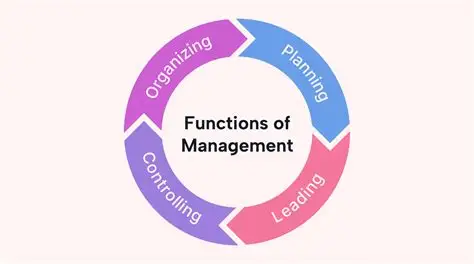
Ensuring compliance with labor laws is one of the most critical responsibilities of personnel management. Labor laws are designed to protect the rights of employees, regulate working conditions, and ensure fair treatment in the workplace. Failure to comply with these laws can result in legal penalties, financial losses, and damage to an organization’s reputation.
Personnel managers play a key role in interpreting, implementing, and monitoring compliance with labor regulations. They ensure that organizational policies, practices, and procedures align with local, national, and international labor standards.
In this comprehensive article, we’ll explore how personnel management ensures compliance with labor laws, the processes involved, challenges faced, and best practices.
Understanding Labor Law Compliance
Labor law compliance refers to adhering to legal requirements governing employment relationships.
These Laws Cover:
- Wages and compensation
- Working hours
- Health and safety
- Employee rights
- Termination procedures
Personnel management ensures that all these aspects are handled legally and ethically.
Importance of Compliance with Labor Laws
1. Avoids Legal Penalties
Non-compliance can lead to fines and lawsuits.
2. Protects Employee Rights
Ensures fair treatment and safe working conditions.
3. Enhances Organizational Reputation
Compliance builds trust with employees and stakeholders.
4. Promotes Workplace Fairness
Creates equal opportunities for all employees.
5. Supports Business Stability
Reduces risks and ensures smooth operations.
Key Areas of Labor Law Compliance
1. Employment Contracts
Ensuring contracts meet legal standards.
Includes:
- Terms of employment
- Job responsibilities
- Compensation details
2. Wages and Compensation
Compliance with minimum wage laws and payment regulations.
3. Working Hours and Overtime
Ensuring employees do not exceed legal work limits.
4. Health and Safety Regulations
Providing a safe working environment.
5. Anti-Discrimination Laws
Ensuring equal treatment regardless of gender, race, or background.
6. Leave and Benefits
Providing legally required leave and benefits.
7. Termination and Layoffs
Following proper legal procedures.
Role of Personnel Management in Ensuring Compliance
Personnel managers implement and monitor compliance practices.
Responsibilities:
- Understanding labor laws
- Developing compliant policies
- Training employees and managers
- Monitoring workplace practices
- Handling legal documentation
Steps to Ensure Compliance
1. Staying Updated on Laws
Labor laws frequently change, so staying informed is essential.
2. Developing HR Policies
Creating policies that align with legal requirements.
3. Employee Training
Educating employees about workplace rules and rights.
4. Maintaining Records
Keeping accurate employee records for legal purposes.
5. Conducting Audits
Regular checks to ensure compliance.
6. Handling Complaints
Addressing employee grievances promptly.
Role of Technology in Compliance
Technology helps simplify compliance management.
Tools:
- HR management systems
- Compliance tracking software
- Payroll systems with tax automation
Benefits:
- Accurate record-keeping
- Automated compliance checks
- Reduced human error
Challenges in Ensuring Compliance
1. Complex Regulations
Laws vary by region and can be difficult to interpret.
2. Frequent Changes
Keeping up with updates is challenging.
3. Lack of Awareness
Employees and managers may not fully understand laws.
4. Administrative Burden
Managing compliance requires time and resources.
5. Risk of Violations
Unintentional errors can still occur.
Best Practices for Ensuring Compliance
1. Regularly Update Policies
2. Conduct Training Programs
3. Use Technology for Monitoring
4. Maintain Accurate Records
5. Seek Legal Advice When Needed
Impact of Compliance on Organizations
1. Reduced Legal Risks
2. Improved Employee Trust
3. Better Workplace Environment
4. Strong Organizational Reputation
Compliance vs Ethics
| Aspect | Compliance | Ethics |
|---|---|---|
| Focus | Following laws | Doing what is right |
| Nature | Mandatory | Voluntary |
Both are important for responsible management.
Future Trends in Labor Law Compliance
1. Digital Compliance Tools
2. AI-Based Monitoring
3. Global Compliance Strategies
4. Increased Focus on Employee Rights
Conclusion
Personnel management plays a vital role in ensuring compliance with labor laws by developing policies, monitoring practices, and educating employees. Compliance is essential for protecting employee rights, avoiding legal issues, and maintaining organizational stability.
As labor laws become more complex and dynamic, organizations must adopt proactive strategies and use technology to stay compliant. Effective compliance management not only reduces risks but also builds trust and strengthens the organization’s reputation.
Ultimately, ensuring compliance is not just about following rules—it’s about creating a fair, safe, and ethical workplace for all employees.
- Arts
- Business
- Computers
- Oyunlar
- Health
- Home
- Kids and Teens
- Money
- News
- Personal Development
- Recreation
- Regional
- Reference
- Science
- Shopping
- Society
- Sports
- Бизнес
- Деньги
- Дом
- Досуг
- Здоровье
- Игры
- Искусство
- Источники информации
- Компьютеры
- Личное развитие
- Наука
- Новости и СМИ
- Общество
- Покупки
- Спорт
- Страны и регионы
- World

 English
 Russian
 French
 Spanish
 Portuguese
 Deutsch
 Dutch
Dutch
 Italiano
 Arabic
 Romaian
 Portuguese (Brazil)
 Greek
Greek