
What Is Maintenance Management in Facilities?
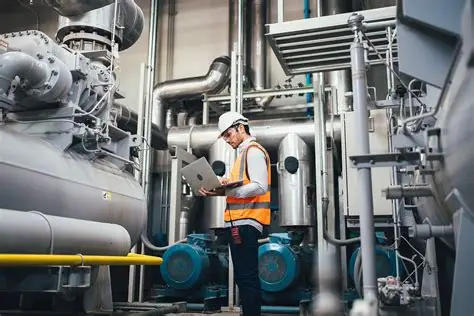
Maintenance management is one of the most critical components of facility management. It ensures that buildings, equipment, and infrastructure remain functional, safe, and efficient over time. Without effective maintenance management, facilities can quickly deteriorate, leading to higher costs, safety risks, and operational disruptions.
In today’s complex work environments, maintenance management is no longer just about fixing problems—it is a strategic process that involves planning, monitoring, and optimizing the performance of physical assets.
Defining Maintenance Management in Facilities
Maintenance management refers to the systematic approach to maintaining, repairing, and improving physical assets within a facility. Its primary goal is to ensure that all systems and equipment operate efficiently and reliably.
This includes:
- Regular inspections
- Scheduled maintenance
- Repairs and replacements
- Performance monitoring
Effective maintenance management helps organizations avoid unexpected breakdowns and maintain a high standard of operations.
The Importance of Maintenance Management
Maintenance management plays a vital role in supporting facility operations. Its importance can be seen in several key areas:
- Operational continuity: Prevents disruptions caused by equipment failure
- Cost efficiency: Reduces expensive emergency repairs
- Safety: Ensures that systems meet safety standards
- Asset longevity: Extends the lifespan of equipment and infrastructure
Without proper maintenance, facilities become inefficient, unsafe, and costly to operate.
Types of Maintenance Management
Maintenance management includes several different approaches, each serving a specific purpose.
1. Preventive Maintenance
Preventive maintenance involves regularly scheduled inspections and servicing to prevent problems before they occur.
Examples include:
- Routine equipment checks
- Scheduled servicing of HVAC systems
- Replacing worn-out parts
This approach reduces the likelihood of unexpected failures.
2. Corrective Maintenance
Corrective maintenance is performed after a problem has been identified. It focuses on repairing or replacing faulty equipment.
Examples include:
- Fixing a broken air conditioning unit
- Repairing electrical faults
- Replacing damaged components
While necessary, corrective maintenance can be costly if not managed properly.
3. Predictive Maintenance
Predictive maintenance uses data and technology to anticipate when equipment is likely to fail.
This involves:
- Monitoring equipment performance
- Using sensors and analytics
- Identifying patterns and trends
Predictive maintenance allows organizations to address issues before they become serious.
4. Condition-Based Maintenance
This approach involves monitoring the actual condition of equipment to determine when maintenance is needed.
For example:
- Checking vibration levels in machinery
- Monitoring temperature changes
- Inspecting wear and tear
Maintenance is performed only when necessary, improving efficiency.
Key Components of Maintenance Management
Effective maintenance management relies on several core components.
1. Asset Management
Maintaining an accurate inventory of all assets is essential. This includes tracking:
- Equipment details
- Maintenance history
- Performance data
Asset management helps prioritize maintenance activities.
2. Maintenance Planning and Scheduling
Planning ensures that maintenance tasks are performed at the right time.
This includes:
- Creating maintenance schedules
- Assigning tasks to personnel
- Coordinating with operations
Proper scheduling minimizes disruptions.
3. Work Order Management
Work orders are used to track maintenance tasks from start to completion.
They include:
- Task descriptions
- Assigned personnel
- Completion status
Work order systems improve organization and accountability.
4. Inventory and Spare Parts Management
Having the right spare parts available is crucial for timely repairs.
This involves:
- Managing inventory levels
- Tracking usage
- Ensuring availability of critical components
Efficient inventory management reduces downtime.
5. Performance Monitoring
Monitoring the performance of equipment helps identify issues early.
This includes:
- Tracking key performance indicators (KPIs)
- Analyzing maintenance data
- Identifying trends
Performance monitoring supports continuous improvement.
The Role of Technology in Maintenance Management
Technology has significantly improved maintenance management processes.
1. Computerized Maintenance Management Systems (CMMS)
CMMS software helps manage maintenance activities digitally.
Features include:
- Work order tracking
- Maintenance scheduling
- Asset management
CMMS improves efficiency and organization.
2. Internet of Things (IoT)
IoT devices collect real-time data from equipment.
This allows:
- Continuous monitoring
- Early detection of issues
- Data-driven decision-making
IoT supports predictive maintenance strategies.
3. Data Analytics
Analytics tools help interpret maintenance data.
Benefits include:
- Identifying patterns
- Optimizing maintenance schedules
- Reducing costs
Data-driven insights improve overall performance.
Benefits of Effective Maintenance Management
Organizations that implement strong maintenance management practices can achieve several benefits:
- Reduced equipment downtime
- Lower maintenance costs
- Improved safety and compliance
- Increased asset lifespan
- Enhanced operational efficiency
These benefits contribute to overall organizational success.
Challenges in Maintenance Management
Despite its importance, maintenance management comes with challenges:
- Aging infrastructure
- Limited budgets
- Lack of skilled personnel
- Managing large volumes of data
Facility managers must address these challenges through planning and innovation.
Maintenance Management and Safety
Maintenance management is closely linked to workplace safety. Poorly maintained equipment can lead to accidents and hazards.
By ensuring regular maintenance, organizations can:
- Prevent equipment failures
- Reduce safety risks
- Comply with regulations
Safety is a key outcome of effective maintenance management.
Maintenance Management and Sustainability
Maintenance also plays a role in sustainability. Efficient systems consume less energy and produce less waste.
Sustainable maintenance practices include:
- Using energy-efficient equipment
- Reducing resource consumption
- Extending asset life
This supports environmental goals and reduces costs.
The Strategic Role of Maintenance Management
Maintenance management is no longer just an operational task—it is a strategic function. It supports long-term planning and decision-making.
Organizations use maintenance data to:
- Plan asset replacements
- Optimize resource allocation
- Improve overall efficiency
This strategic approach enhances competitiveness.
Best Practices in Maintenance Management
To achieve effective maintenance management, organizations should follow best practices such as:
- Implementing preventive and predictive maintenance
- Using technology and automation
- Training maintenance staff
- Monitoring performance regularly
These practices ensure consistent and reliable operations.
The Future of Maintenance Management
The future of maintenance management will be shaped by technological advancements.
Key trends include:
- Increased use of AI and machine learning
- Greater reliance on IoT and smart sensors
- Automation of maintenance processes
These innovations will make maintenance more efficient and proactive.
Conclusion
Maintenance management is a vital aspect of facility management that ensures the reliability, safety, and efficiency of physical assets. By combining planning, technology, and strategic thinking, organizations can maintain high-performing facilities.
From preventive maintenance to predictive analytics, modern maintenance management focuses on preventing problems rather than reacting to them. This proactive approach reduces costs, improves safety, and enhances operational performance.
In today’s competitive and fast-changing environment, effective maintenance management is essential for organizational success. It not only supports daily operations but also contributes to long-term sustainability and growth.
- Arts
- Business
- Computers
- Games
- Health
- Home
- Kids and Teens
- Money
- News
- Personal Development
- Recreation
- Regional
- Reference
- Science
- Shopping
- Society
- Sports
- Бизнес
- Деньги
- Дом
- Досуг
- Здоровье
- Игры
- Искусство
- Источники информации
- Компьютеры
- Личное развитие
- Наука
- Новости и СМИ
- Общество
- Покупки
- Спорт
- Страны и регионы
- World

 Russian
 French
 Spanish
 Portuguese
 Deutsch
 Turkish
 Dutch
Dutch
 Italiano
 Arabic
 Romaian
 Portuguese (Brazil)
 Greek
Greek