
How Do You Manage Building Operations Effectively?
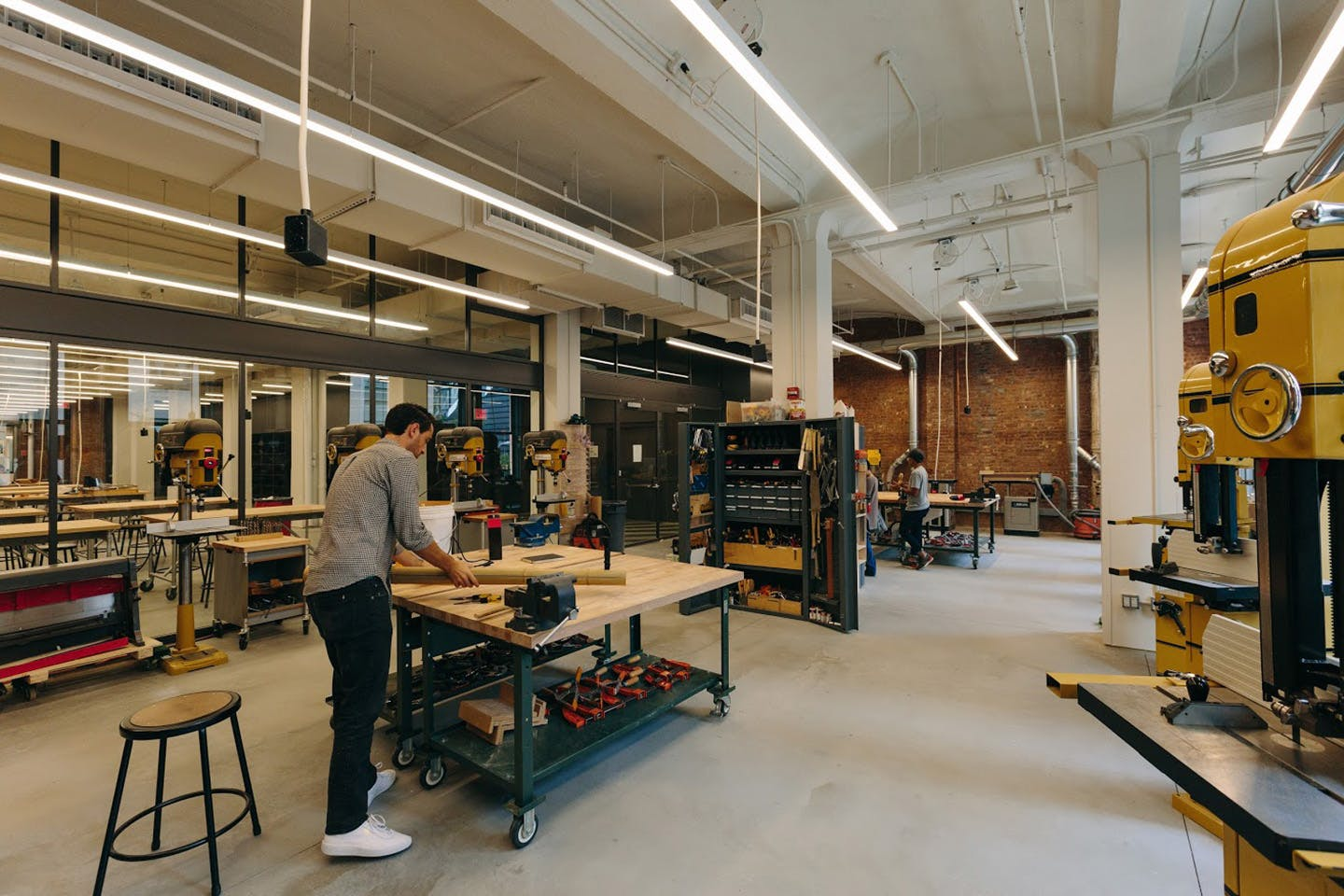
Managing building operations effectively is a core responsibility of facility management and is essential for ensuring that a facility runs smoothly, safely, and efficiently. Building operations involve the day-to-day functioning of all systems, services, and infrastructure within a facility. When managed properly, they support productivity, reduce costs, and enhance the overall workplace experience.
Effective building operations require a combination of planning, technology, maintenance, and coordination. Facility managers must take a proactive and strategic approach to ensure optimal performance.
Understanding Building Operations
Building operations refer to the management of all activities required to keep a building functional and efficient. This includes both technical systems and support services.
Key components include:
- Mechanical and electrical systems
- Maintenance and repairs
- Security and safety systems
- Cleaning and support services
The goal is to ensure that all aspects of the building work together seamlessly.
Establishing Clear Operational Processes
Effective building management starts with well-defined processes. Facility managers must establish standard procedures for all operational activities.
This includes:
- Maintenance schedules
- Inspection routines
- Emergency protocols
- Service workflows
Clear processes ensure consistency, efficiency, and accountability.
Implementing Preventive Maintenance
Preventive maintenance is one of the most effective ways to manage building operations. Instead of reacting to problems, facility managers focus on preventing them.
This involves:
- Regular inspections of systems
- Scheduled servicing of equipment
- Early detection of potential issues
Preventive maintenance reduces downtime and extends the life of assets.
Using Technology for Building Management
Technology plays a crucial role in modern building operations. Digital tools help monitor, control, and optimize building systems.
Key technologies include:
- Building Management Systems (BMS)
- Computerized Maintenance Management Systems (CMMS)
- Internet of Things (IoT) sensors
These tools provide real-time data, enabling better decision-making and faster responses.
Monitoring Performance and Efficiency
Continuous monitoring is essential for effective building operations. Facility managers track key performance indicators (KPIs) to evaluate system performance.
This includes:
- Energy consumption
- Equipment efficiency
- Maintenance response times
Monitoring helps identify inefficiencies and areas for improvement.
Managing Energy and Utilities
Energy management is a critical aspect of building operations. Efficient use of energy reduces costs and environmental impact.
Strategies include:
- Optimizing HVAC systems
- Using energy-efficient lighting
- Monitoring utility usage
Effective energy management contributes to sustainability and cost savings.
Coordinating Maintenance and Repairs
Timely maintenance and repairs are essential for smooth operations. Facility managers must ensure that issues are addressed quickly and efficiently.
This involves:
- Managing work orders
- Coordinating maintenance teams
- Ensuring availability of spare parts
Efficient coordination minimizes disruptions.
Ensuring Workplace Safety and Compliance
Safety is a key priority in building operations. Facility managers must ensure that all systems meet safety standards and regulations.
This includes:
- Conducting safety inspections
- Maintaining fire protection systems
- Ensuring compliance with regulations
A safe building protects occupants and reduces risks.
Managing Vendors and Service Providers
Many building operations rely on external service providers. Facility managers must coordinate and manage these vendors effectively.
Responsibilities include:
- Selecting qualified vendors
- Monitoring service quality
- Managing contracts
Strong vendor management ensures reliable and high-quality services.
Optimizing Space Utilization
Efficient use of space is part of effective building operations. Facility managers must ensure that space is used appropriately and meets organizational needs.
This includes:
- Allocating workspaces
- Managing occupancy levels
- Adapting layouts for flexibility
Optimized space improves productivity and reduces costs.
Enhancing Communication and Coordination
Building operations involve multiple teams and departments. Effective communication is essential for coordination.
Facility managers must:
- Communicate with staff and stakeholders
- Coordinate between departments
- Ensure clear reporting systems
Good communication improves efficiency and reduces misunderstandings.
Leveraging Data and Analytics
Data-driven decision-making is becoming increasingly important in building operations.
Facility managers use data to:
- Identify trends and patterns
- Predict maintenance needs
- Optimize resource allocation
Analytics helps improve efficiency and performance.
Implementing Sustainability Practices
Sustainability is a growing focus in building operations. Facility managers implement practices to reduce environmental impact.
This includes:
- Reducing energy consumption
- Managing waste effectively
- Using eco-friendly materials
Sustainable operations benefit both the environment and the organization.
Preparing for Emergencies
Effective building management includes preparedness for emergencies.
Facility managers develop:
- Emergency response plans
- Evacuation procedures
- Crisis management strategies
Preparedness ensures quick and effective responses to unexpected situations.
Training and Supporting Staff
Building operations depend on skilled personnel. Facility managers must ensure that staff are properly trained.
This includes:
- Providing technical training
- Ensuring safety awareness
- Supporting professional development
Well-trained staff contribute to efficient operations.
Continuous Improvement
Effective building operations require ongoing evaluation and improvement.
Facility managers should:
- Review performance regularly
- Identify areas for improvement
- Implement new technologies and practices
Continuous improvement ensures long-term success.
Balancing Cost and Quality
Facility managers must balance operational costs with service quality.
This involves:
- Prioritizing essential services
- Identifying cost-saving opportunities
- Maintaining high standards
Effective cost management ensures sustainable operations.
Adapting to Changing Needs
Workplace requirements are constantly evolving. Facility managers must adapt building operations to meet new demands.
Examples include:
- Supporting hybrid work models
- Integrating smart technologies
- Adjusting space usage
Adaptability is key to maintaining efficiency.
The Strategic Role of Building Operations
Building operations are not just about maintenance—they are a strategic function that supports organizational goals.
Effective management leads to:
- Improved productivity
- Reduced costs
- Enhanced employee experience
This makes building operations a critical part of business success.
Conclusion
Managing building operations effectively requires a comprehensive approach that combines planning, technology, maintenance, and communication. Facility managers must ensure that all systems and services work together to create a safe, efficient, and comfortable environment.
By implementing preventive maintenance, leveraging technology, and focusing on continuous improvement, organizations can optimize their building operations and achieve long-term success.
In today’s dynamic work environment, effective building operations management is essential. It not only supports daily activities but also contributes to organizational growth, sustainability, and employee well-being.
- Arts
- Business
- Computers
- Παιχνίδια
- Health
- Κεντρική Σελίδα
- Kids and Teens
- Money
- News
- Personal Development
- Recreation
- Regional
- Reference
- Science
- Shopping
- Society
- Sports
- Бизнес
- Деньги
- Дом
- Досуг
- Здоровье
- Игры
- Искусство
- Источники информации
- Компьютеры
- Личное развитие
- Наука
- Новости и СМИ
- Общество
- Покупки
- Спорт
- Страны и регионы
- World

 English
 Russian
 French
 Spanish
 Portuguese
 Deutsch
 Turkish
 Dutch
Dutch
 Italiano
 Arabic
 Romaian
 Portuguese (Brazil)