
What Are Standard Operating Procedures (SOPs) in Facility Management?
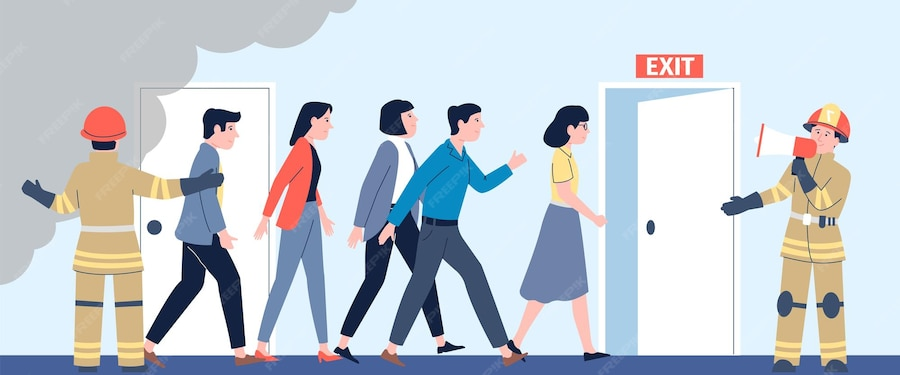
Standard Operating Procedures (SOPs) are essential tools in facility management that ensure consistency, efficiency, and safety in daily operations. They provide clear, step-by-step instructions for performing routine tasks, managing systems, and responding to incidents within a facility.
In complex environments where multiple systems, teams, and processes interact, SOPs serve as a foundation for structured operations. They help facility managers maintain high standards while minimizing errors and risks.
Defining SOPs in Facility Management
Standard Operating Procedures (SOPs) are documented guidelines that outline how specific tasks and processes should be carried out within a facility.
They typically include:
- Step-by-step instructions
- Roles and responsibilities
- Safety precautions
- Required tools and resources
SOPs ensure that tasks are performed consistently, regardless of who is responsible.
Importance of SOPs in Facility Management
SOPs play a critical role in maintaining order and efficiency in facility operations.
Key benefits include:
- Consistency: Ensures tasks are performed the same way every time
- Efficiency: Reduces confusion and speeds up processes
- Safety: Minimizes risks by following established procedures
- Compliance: Helps meet regulatory requirements
Without SOPs, operations can become disorganized and prone to errors.
Key Areas Where SOPs Are Used
SOPs are applied across various aspects of facility management, including:
1. Maintenance Procedures
SOPs guide maintenance tasks such as:
- Equipment inspections
- Preventive maintenance
- Repair processes
These procedures ensure that systems are maintained properly.
2. Safety and Emergency Procedures
Safety SOPs are critical for protecting occupants.
They include:
- Fire evacuation procedures
- Emergency response protocols
- Incident reporting guidelines
Clear instructions help ensure quick and effective action during emergencies.
3. Cleaning and Hygiene Procedures
SOPs for cleaning ensure consistent hygiene standards.
This includes:
- Cleaning schedules
- Use of cleaning materials
- Waste disposal methods
Maintaining cleanliness supports health and safety.
4. Security Procedures
Security SOPs define how to manage access and protect assets.
Examples include:
- Access control processes
- Visitor management
- Surveillance monitoring
These procedures enhance safety and control.
Components of an Effective SOP
A well-designed SOP includes several key elements:
- Title and purpose: Defines the objective of the procedure
- Scope: Specifies where and when it applies
- Responsibilities: Identifies who is responsible
- Step-by-step instructions: Clear and detailed actions
- Safety guidelines: Precautions to follow
- Documentation requirements: Records to maintain
These components ensure clarity and usability.
Developing SOPs in Facility Management
Creating effective SOPs requires careful planning and collaboration.
Steps include:
- Identifying critical processes
- Consulting with experts and staff
- Documenting procedures clearly
- Reviewing and testing the SOPs
- Updating them regularly
Involving staff ensures that SOPs are practical and effective.
Training and Implementation
SOPs are only effective if employees understand and follow them. Facility managers must ensure proper training.
This includes:
- Providing training sessions
- Demonstrating procedures
- Offering ongoing support
Regular training ensures compliance and consistency.
Role of SOPs in Safety and Compliance
SOPs are essential for meeting safety and regulatory requirements.
They help:
- Ensure adherence to laws and standards
- Reduce workplace accidents
- Provide documentation for audits
Compliance is a major reason organizations rely on SOPs.
Improving Efficiency with SOPs
SOPs streamline operations by eliminating guesswork.
They help:
- Standardize processes
- Reduce errors
- Improve coordination
This leads to faster and more efficient operations.
Technology and SOP Management
Modern facility management uses technology to manage SOPs.
Examples include:
- Digital SOP platforms
- Mobile access for staff
- Integration with facility management software
Technology makes SOPs more accessible and easier to update.
Monitoring and Updating SOPs
SOPs must be reviewed regularly to remain effective.
Facility managers should:
- Monitor performance
- Gather feedback from staff
- Update procedures as needed
Continuous improvement ensures relevance.
Challenges in Implementing SOPs
Organizations may face challenges such as:
- Resistance to change
- Lack of training
- Outdated procedures
Facility managers must address these challenges to ensure success.
SOPs and Quality Control
SOPs contribute to quality control by ensuring consistent standards.
They help:
- Maintain service quality
- Reduce variability
- Improve customer satisfaction
Consistency is key to quality management.
The Strategic Role of SOPs
SOPs are not just operational tools—they support strategic goals.
They help organizations:
- Improve efficiency
- Enhance safety
- Maintain compliance
- Support scalability
As organizations grow, SOPs become even more important.
Best Practices for SOPs
To maximize effectiveness, organizations should:
- Keep SOPs clear and concise
- Use simple language
- Provide visual aids where possible
- Review regularly
These practices ensure usability and adoption.
Conclusion
Standard Operating Procedures (SOPs) are a cornerstone of effective facility management. They provide structure, consistency, and clarity in managing complex operations.
From maintenance and safety to cleaning and security, SOPs ensure that every task is performed correctly and efficiently. They reduce risks, improve performance, and support compliance with regulations.
In today’s dynamic work environments, well-designed and regularly updated SOPs are essential for maintaining high standards and achieving operational excellence. Organizations that invest in strong SOP frameworks are better equipped to manage their facilities effectively and sustainably.
- Arts
- Business
- Computers
- Игры
- Health
- Главная
- Kids and Teens
- Деньги
- News
- Personal Development
- Recreation
- Regional
- Reference
- Science
- Shopping
- Society
- Sports
- Бизнес
- Деньги
- Дом
- Досуг
- Здоровье
- Игры
- Искусство
- Источники информации
- Компьютеры
- Личное развитие
- Наука
- Новости и СМИ
- Общество
- Покупки
- Спорт
- Страны и регионы
- World

 English
 French
 Spanish
 Portuguese
 Deutsch
 Turkish
 Dutch
Dutch
 Italiano
 Arabic
 Romaian
 Portuguese (Brazil)
 Greek
Greek