
What Is Risk Management in Facility Management?
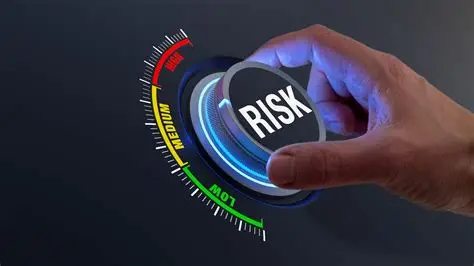
Risk management in facility management is the process of identifying, assessing, and controlling potential threats that could negatively affect a building, its occupants, operations, or assets. These risks can include safety hazards, equipment failures, natural disasters, security threats, or compliance issues.
The goal of risk management is not to eliminate all risks—which is impossible—but to reduce them to acceptable levels and ensure that facilities can operate safely, efficiently, and continuously even in uncertain conditions.
Understanding Risk Management in Facilities
Risk management in facility management involves a structured approach to handling uncertainty. It focuses on preventing problems before they occur and minimizing their impact when they do.
It includes:
- Identifying risks
- Evaluating their likelihood and impact
- Implementing control measures
- Monitoring and reviewing risks continuously
This proactive approach is essential for safe and stable facility operations.
Importance of Risk Management
Risk management is critical in facility management because it directly affects:
- Safety: Protects employees, visitors, and assets
- Operations: Reduces downtime and disruptions
- Costs: Prevents expensive emergency repairs and losses
- Compliance: Ensures legal and regulatory adherence
Without risk management, facilities become vulnerable to unpredictable failures and hazards.
Types of Risks in Facility Management
Facility managers deal with a wide range of risks, including:
1. Physical Risks
These include risks related to building structure and environment:
- Structural damage
- Slips, trips, and falls
- Equipment failures
2. Operational Risks
These affect day-to-day functioning:
- System breakdowns (HVAC, electrical, plumbing)
- Maintenance delays
- Service interruptions
3. Safety and Health Risks
These involve threats to human health:
- Fire hazards
- Exposure to harmful substances
- Poor air quality
4. Security Risks
These relate to unauthorized access or criminal activity:
- Theft
- Vandalism
- Cyber-physical security breaches
5. Environmental Risks
These involve natural or environmental factors:
- Flooding
- Earthquakes
- Extreme weather conditions
Risk Identification Process
The first step in risk management is identifying potential risks.
Facility managers use:
- Site inspections
- Historical incident data
- Staff feedback
- Safety audits
This helps create a comprehensive risk profile for the facility.
Risk Assessment and Analysis
Once risks are identified, they are analyzed based on:
- Likelihood of occurrence
- Severity of impact
- Frequency of exposure
This allows facility managers to prioritize risks that require immediate attention.
Risk Control Strategies
After assessing risks, control measures are implemented to reduce or eliminate them.
Common strategies include:
1. Preventive Measures
- Regular maintenance
- Safety inspections
- Equipment upgrades
2. Protective Measures
- Fire suppression systems
- Security access controls
- Personal protective equipment
3. Procedural Controls
- Standard Operating Procedures (SOPs)
- Emergency response plans
- Safety training programs
Role of Technology in Risk Management
Technology plays a major role in modern risk management.
Tools include:
- CMMS systems for maintenance tracking
- CAFM platforms for asset monitoring
- IoT sensors for real-time alerts
- Building Management Systems (BMS)
These tools help detect risks early and respond quickly.
Predictive Risk Management
Advanced technologies now allow predictive risk management.
This involves:
- Using data analytics to forecast failures
- Identifying patterns in equipment behavior
- Preventing incidents before they occur
Predictive approaches reduce downtime and improve safety.
Emergency Preparedness and Risk Response
A key part of risk management is preparing for emergencies.
Facility managers develop:
- Emergency response plans
- Evacuation procedures
- Communication systems
This ensures quick and effective response during crises.
Insurance and Risk Transfer
Some risks cannot be fully controlled and are transferred through insurance.
This includes:
- Property insurance
- Liability coverage
- Business interruption insurance
Insurance helps minimize financial impact.
Role of Training in Risk Management
Employee training is essential for reducing risks.
Training programs include:
- Safety procedures
- Emergency response drills
- Equipment handling guidelines
Well-trained staff are less likely to cause or be affected by incidents.
Monitoring and Reviewing Risks
Risk management is an ongoing process.
Facility managers continuously:
- Monitor risk indicators
- Review incidents
- Update risk assessments
- Improve control measures
This ensures the system remains effective.
Challenges in Risk Management
Facility managers face several challenges:
- Unpredictable events
- Aging infrastructure
- Human error
- Limited budgets
- Rapidly changing environments
These require adaptive and flexible strategies.
Best Practices in Facility Risk Management
Effective risk management includes:
- Regular inspections and audits
- Strong maintenance programs
- Clear emergency procedures
- Continuous employee training
- Use of digital monitoring tools
These practices significantly reduce risk exposure.
Strategic Importance of Risk Management
Risk management is not just protective—it is strategic.
It helps organizations:
- Maintain operational continuity
- Reduce financial losses
- Improve safety culture
- Strengthen resilience
A strong risk management system makes facilities more reliable and future-ready.
Future Trends in Risk Management
The future of facility risk management will be driven by technology.
Key trends include:
- AI-based risk prediction
- Real-time monitoring systems
- Digital twins for simulation
- Automated emergency response systems
These innovations will make risk management more proactive and precise.
Conclusion
Risk management in facility management is essential for ensuring safety, continuity, and operational efficiency. By identifying, assessing, and controlling risks, facility managers protect people, assets, and operations from potential harm.
With the support of technology, predictive analytics, and structured procedures, risk management is becoming more advanced and effective. Organizations that prioritize risk management are better equipped to handle uncertainty and maintain stable, resilient facilities.
- Arts
- Business
- Computers
- Giochi
- Health
- Home
- Kids and Teens
- Money
- News
- Personal Development
- Recreation
- Regional
- Reference
- Science
- Shopping
- Society
- Sports
- Бизнес
- Деньги
- Дом
- Досуг
- Здоровье
- Игры
- Искусство
- Источники информации
- Компьютеры
- Личное развитие
- Наука
- Новости и СМИ
- Общество
- Покупки
- Спорт
- Страны и регионы
- World

 English
 Russian
 French
 Spanish
 Portuguese
 Deutsch
 Turkish
 Dutch
Dutch
 Arabic
 Romaian
 Portuguese (Brazil)
 Greek
Greek