
Why Is Inflation Rising?
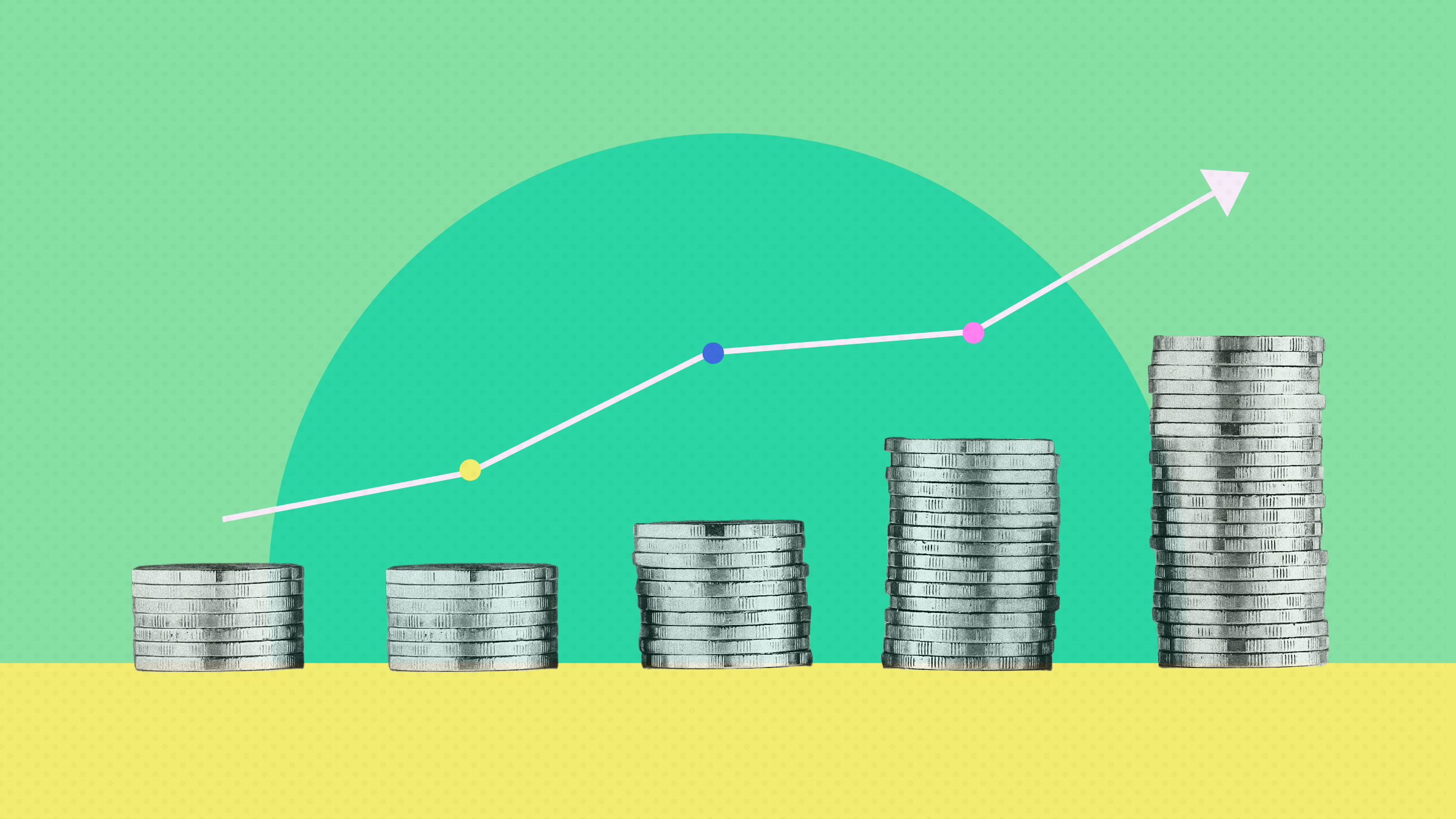
Why Is Inflation Rising?
Inflation—the rate at which the general level of prices for goods and services increases—has become a central concern for households, businesses, and governments around the world. When inflation rises, purchasing power falls, meaning people can buy less with the same amount of money. While moderate inflation is a normal feature of a growing economy, recent surges in inflation across many countries have raised important questions: Why is inflation rising, and what forces are driving it?
1. Demand Outpacing Supply
One of the most fundamental causes of inflation is an imbalance between demand and supply. When consumers want to buy more goods and services than the economy can produce, prices tend to rise.
In recent years, this imbalance has been especially pronounced. During periods of economic recovery—particularly after downturns—consumer demand often rebounds quickly. People start spending more on travel, dining, housing, and consumer goods. However, supply does not always keep pace. Factories may still be ramping up production, and businesses may struggle to meet the sudden surge in demand. This gap pushes prices upward.
2. Supply Chain Disruptions
Global supply chains have become increasingly complex, and disruptions can ripple across economies. Events such as pandemics, geopolitical tensions, natural disasters, or transportation bottlenecks can limit the availability of raw materials and finished goods.
For example, shortages of key components like semiconductors have affected industries ranging from automobiles to electronics. Shipping delays and increased freight costs also contribute to higher prices. When businesses face higher input costs or cannot obtain materials easily, they often pass those costs on to consumers.
3. Rising Energy Prices
Energy plays a crucial role in nearly every sector of the economy. When the cost of oil, gas, or electricity rises, it affects production, transportation, and distribution.
Higher fuel costs increase the price of moving goods across countries and continents. Manufacturing becomes more expensive, and even food prices can rise due to higher costs of farming and logistics. As a result, increases in energy prices tend to have a broad and immediate impact on overall inflation.
4. Expansionary Monetary Policy
Central banks influence inflation through monetary policy, particularly by controlling interest rates and the money supply. During economic downturns, central banks often lower interest rates and inject money into the economy to stimulate growth.
While these measures can support employment and investment, they can also contribute to inflation if too much money chases too few goods. When borrowing is cheap, consumers and businesses are more likely to spend and invest, increasing demand. If supply does not rise at the same pace, prices increase.
5. Government Spending and Fiscal Stimulus
In addition to monetary policy, government spending can also affect inflation. Large fiscal stimulus programs—such as direct payments to households, unemployment benefits, or infrastructure investments—can boost economic activity.
While these measures can be essential during crises, they also increase overall demand in the economy. If this demand grows faster than supply, inflationary pressures build. The scale and timing of government interventions can therefore play a significant role in shaping inflation trends.
6. Labor Market Pressures
Wages are a key component of business costs. When labor markets tighten—meaning there are more job openings than available workers—employers may raise wages to attract and retain employees.
Higher wages can lead to increased consumer spending, which boosts demand. At the same time, businesses facing higher payroll expenses may raise prices to maintain profitability. This dynamic can create a feedback loop known as a wage-price spiral, where rising wages and prices reinforce each other.
7. Currency Depreciation
The value of a country’s currency also influences inflation. When a currency weakens relative to others, imports become more expensive. This is particularly important for countries that rely heavily on imported goods, raw materials, or energy.
As import costs rise, businesses pass those costs on to consumers, contributing to higher overall prices. Currency depreciation can therefore amplify inflation, especially in open economies with significant trade exposure.
8. Expectations and Psychology
Inflation is not driven solely by tangible factors—it is also influenced by expectations. If businesses and consumers expect prices to rise in the future, they may adjust their behavior accordingly.
For instance, workers may demand higher wages in anticipation of increased living costs, and businesses may raise prices preemptively. This behavior can make inflation more persistent, as expectations become self-fulfilling.
Central banks closely monitor inflation expectations because they can shape long-term economic stability. If expectations become unanchored, controlling inflation becomes much more difficult.
9. Structural Changes in the Economy
Long-term shifts in the global economy can also contribute to inflation. These include changes in trade patterns, demographic trends, and technological developments.
For decades, globalization helped keep prices low by enabling companies to source cheaper labor and materials from around the world. However, recent trends such as reshoring (bringing production back home) and increased trade barriers may reduce these cost advantages, leading to higher prices.
Similarly, aging populations in some countries can affect labor supply and productivity, potentially increasing costs. At the same time, while technology can reduce costs in some areas, it may also create new expenses in others.
10. Geopolitical Tensions and Uncertainty
Political instability and conflicts can disrupt trade, energy supplies, and investment flows. Sanctions, trade restrictions, and military conflicts can limit access to critical resources and markets.
Uncertainty also affects business decisions. Companies may delay investments or build up inventories as a precaution, which can strain supply chains and increase costs. These factors contribute to inflationary pressures, particularly in interconnected global markets.
Conclusion
Rising inflation is rarely caused by a single factor. Instead, it is the result of a complex interplay between demand, supply, policy decisions, and global events. From supply chain disruptions and energy price spikes to monetary policy and consumer expectations, multiple forces can push prices upward simultaneously.
Understanding these drivers is essential for policymakers, businesses, and individuals alike. While some causes of inflation are temporary and may resolve over time, others reflect deeper structural changes in the economy. Managing inflation effectively requires a careful balance—supporting economic growth while preventing prices from rising too quickly.
As economies continue to evolve, inflation will remain a key indicator of economic health and a critical challenge for decision-makers worldwide.
- Arts
- Business
- Computers
- الألعاب
- Health
- الرئيسية
- Kids and Teens
- مال
- News
- Personal Development
- Recreation
- Regional
- Reference
- Science
- Shopping
- Society
- Sports
- Бизнес
- Деньги
- Дом
- Досуг
- Здоровье
- Игры
- Искусство
- Источники информации
- Компьютеры
- Личное развитие
- Наука
- Новости и СМИ
- Общество
- Покупки
- Спорт
- Страны и регионы
- World

 English
 Russian
 French
 Spanish
 Portuguese
 Deutsch
 Turkish
 Dutch
Dutch
 Italiano
 Romaian
 Portuguese (Brazil)
 Greek
Greek