
Is minimalism suitable for small apartments?
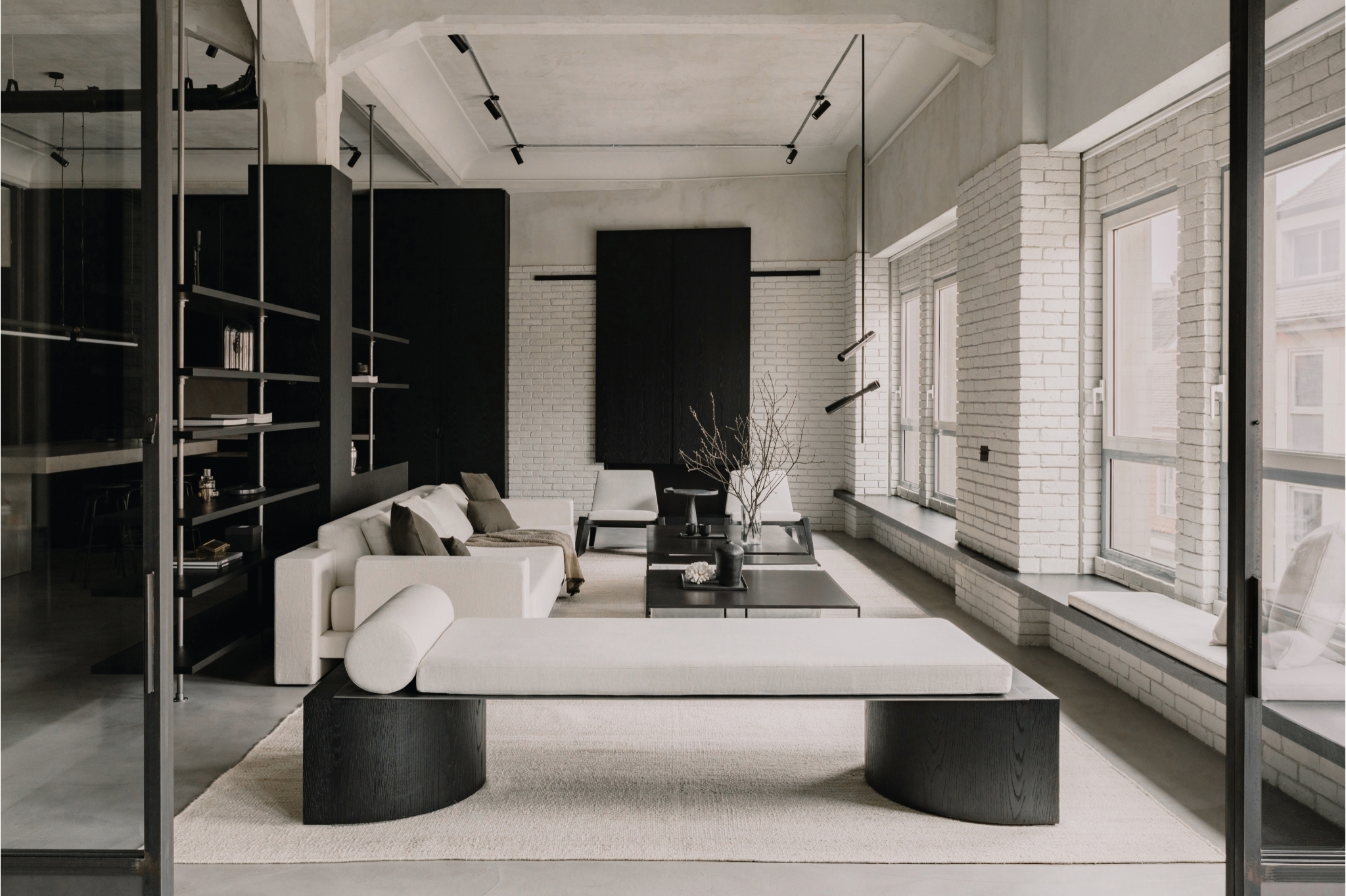
Is Minimalism Suitable for Small Apartments?
Minimalism is often associated with spacious, airy interiors filled with empty surfaces and carefully curated objects. Because of this, many people assume it only works well in large homes. In reality, minimalism is not dependent on space size—it is a design and behavioral philosophy centered on intentional use of space and reduction of unnecessary possessions. This makes it especially relevant for small apartments, where space constraints naturally force prioritization.
However, minimalism in small apartments is not simply about “having less stuff.” It is about maximizing functional space, reducing visual and cognitive clutter, and designing a living environment that feels open, efficient, and manageable despite physical limitations.
This article explores whether minimalism is suitable for small apartments, and more importantly, how it functions in practice, what benefits it offers, and what limitations or challenges need to be considered.
1. Understanding Minimalism Beyond Aesthetic Trends
Before evaluating its suitability for small apartments, it is important to clarify what minimalism actually is.
Minimalism is based on three core principles:
1. Intentionality
Every object in the space should have a purpose or meaningful value.
2. Reduction of excess
Unnecessary items, duplicates, and low-use objects are removed or stored away.
3. Focus on function over accumulation
The goal is usability and clarity, not decoration or abundance.
Minimalism is therefore not “empty rooms,” but purpose-optimized environments.
This distinction is important because it reframes minimalism from an aesthetic choice into a functional system that can adapt to any living space size.
2. Why Small Apartments Benefit From Minimalism
Small apartments inherently come with constraints:
-
Limited floor space
-
Limited storage capacity
-
Less separation between functional areas
-
Higher sensitivity to clutter
Because of these constraints, small apartments amplify the effects of both clutter and organization.
Clutter in small spaces causes:
-
Visual overload
-
Reduced mobility
-
Increased cleaning effort
-
Psychological stress
-
Sense of cramped living
Even a small amount of unnecessary items can make a compact space feel chaotic.
Minimalism directly addresses these issues by reducing excess and optimizing layout.
3. Space Perception: Why Minimalism Makes Small Spaces Feel Bigger
One of the most immediate benefits of minimalism in small apartments is perceptual expansion of space.
Human perception of space is strongly influenced by:
-
Visual density
-
Floor visibility
-
Light reflection
-
Object distribution
When a room is cluttered:
-
The brain processes more visual information
-
Boundaries feel tighter
-
The space feels smaller than it is
When a room is minimal:
-
Fewer objects compete for attention
-
Surfaces are visible and uninterrupted
-
The mind perceives openness
This creates the illusion of a larger space without physically changing the apartment.
4. Functional Optimization of Limited Space
In small apartments, every square meter matters. Minimalism encourages functional optimization, meaning each item and area serves a clear purpose.
This includes:
Multi-purpose furniture
-
Sofa beds
-
Storage ottomans
-
Foldable tables
Vertical storage use
-
Shelving systems
-
Wall-mounted storage
-
Hanging organizers
Defined zones within one room
Even without separate rooms, areas can be structured for:
-
Work
-
Rest
-
Dining
-
Storage
Minimalism helps ensure that each function has a designated place, reducing chaos and overlap.
5. Cognitive Benefits of Minimalist Small Spaces
Small apartments can easily become cognitively overwhelming when cluttered.
Every visible object competes for attention, even subconsciously. This increases:
-
Cognitive load
-
Mental fatigue
-
Stress levels
-
Difficulty focusing
Minimalism reduces this burden by simplifying visual input.
In a minimalist small apartment:
-
The mind processes fewer stimuli
-
Attention is less fragmented
-
Mental clarity improves
-
Relaxation becomes easier
This is especially important in living spaces where people also work or study.
6. Cleaning and Maintenance Efficiency
One of the most practical advantages of minimalism in small apartments is reduced maintenance effort.
Less stuff means:
-
Faster cleaning
-
Fewer surfaces to manage
-
Less dust accumulation
-
Easier organization
In small spaces, clutter tends to accumulate visually very quickly. Minimalism prevents this buildup, making upkeep significantly more manageable.
This is particularly valuable in compact apartments where storage and cleaning flexibility are limited.
7. Storage Constraints and Minimalism
A common concern in small apartments is storage limitations. Minimalism directly addresses this by reducing storage dependency.
Instead of relying on large storage systems, minimalist living focuses on:
-
Owning fewer items
-
Storing only essentials
-
Regularly reviewing possessions
-
Avoiding redundant purchases
This reduces the need for complex storage solutions and prevents overcrowding of limited storage areas.
However, it does not eliminate storage needs entirely—it simply makes them more efficient and intentional.
8. Psychological Impact of Small, Cluttered vs Minimalist Spaces
Living in a small cluttered apartment often leads to:
-
Sensation of confinement
-
Increased stress
-
Difficulty relaxing
-
Feeling of lack of control
This happens because clutter signals unresolved cognitive load to the brain.
Minimalist small apartments, on the other hand, tend to produce:
-
Sense of calm
-
Improved emotional regulation
-
Greater sense of control
-
Reduced visual stress
The psychological difference between a cluttered and minimalist small space can be significant, even if the physical size remains the same.
9. Challenges of Minimalism in Small Apartments
Despite its advantages, minimalism in small apartments is not without challenges.
1. Risk of over-minimization
Removing too many items can make the space feel:
-
Impersonal
-
Uncomfortable
-
Impractical
2. Limited flexibility
Small spaces inherently limit:
-
Guest accommodation
-
Storage expansion
-
Activity separation
3. Lifestyle constraints
Certain lifestyles require more physical items (hobbies, work equipment, etc.), making extreme minimalism unrealistic.
4. Storage relocation needs
Minimalism often shifts storage outside the visible space (e.g., external storage units or digital alternatives), which may not always be convenient.
10. Minimalism vs “Empty Space” Misconception
A key misunderstanding is equating minimalism with emptiness.
In reality:
Minimalism is not about removing everything—it is about removing what does not serve a purpose.
A well-designed minimalist small apartment is not empty—it is efficiently structured and intentionally populated.
For example:
-
A single well-chosen chair replaces multiple unused ones
-
A multifunctional table replaces several separate surfaces
-
A curated set of items replaces cluttered accumulation
The result is functionality, not absence.
11. Practical Minimalist Strategies for Small Apartments
To apply minimalism effectively in small apartments, several strategies are commonly used:
1. One-in, one-out rule
Every new item requires removing an existing one.
2. Category-based decluttering
Items are evaluated by category (clothing, kitchenware, etc.) rather than individually.
3. Visible surface reduction
Keep surfaces like tables and counters mostly clear.
4. Hidden storage prioritization
Store items out of sight whenever possible.
5. Regular audits
Periodic review of possessions to prevent accumulation.
These strategies ensure minimalism remains sustainable over time.
12. Minimalism and Lifestyle Alignment
Minimalism in small apartments is most effective when aligned with lifestyle.
It works best for individuals who:
-
Prefer simplicity over abundance
-
Value organization and clarity
-
Do not require large amounts of physical possessions
-
Spend significant time in focused work or study
It may be less suitable for those who:
-
Have large collections or equipment-heavy hobbies
-
Frequently host guests
-
Prefer highly decorative environments
However, even in these cases, partial minimalism can still improve space efficiency without requiring extreme reduction.
13. Long-Term Sustainability of Minimalist Small Living
A key advantage of minimalism in small apartments is sustainability.
When properly maintained, it:
-
Prevents clutter accumulation
-
Maintains livable space quality
-
Reduces long-term organizational burden
-
Supports consistent mental clarity
However, sustainability depends on ongoing habits. Without maintenance, clutter gradually returns, especially in small environments where even minor accumulation is noticeable.
Conclusion
Minimalism is not only suitable for small apartments—it is often one of the most effective approaches for improving their functionality, comfort, and psychological livability. By reducing unnecessary possessions and optimizing spatial organization, minimalism helps small apartments feel larger, more structured, and less mentally overwhelming.
Its key benefits include:
-
Improved space perception
-
Reduced cognitive and visual clutter
-
Easier maintenance and cleaning
-
Better functional organization
-
Enhanced psychological comfort
However, it must be applied thoughtfully to avoid excessive reduction or impracticality.
Ultimately, minimalism in small apartments is not about limitation—it is about making limited space work intelligently, efficiently, and intentionally.
- Arts
- Business
- Computers
- Juegos
- Health
- Home
- Kids and Teens
- Money
- News
- Personal Development
- Recreation
- Regional
- Reference
- Science
- Shopping
- Society
- Sports
- Бизнес
- Деньги
- Дом
- Досуг
- Здоровье
- Игры
- Искусство
- Источники информации
- Компьютеры
- Личное развитие
- Наука
- Новости и СМИ
- Общество
- Покупки
- Спорт
- Страны и регионы
- World

 English
 Russian
 French
 Portuguese
 Deutsch
 Turkish
 Dutch
Dutch
 Italiano
 Arabic
 Romaian
 Portuguese (Brazil)
 Greek
Greek