
How do I avoid procrastination and stay focused?
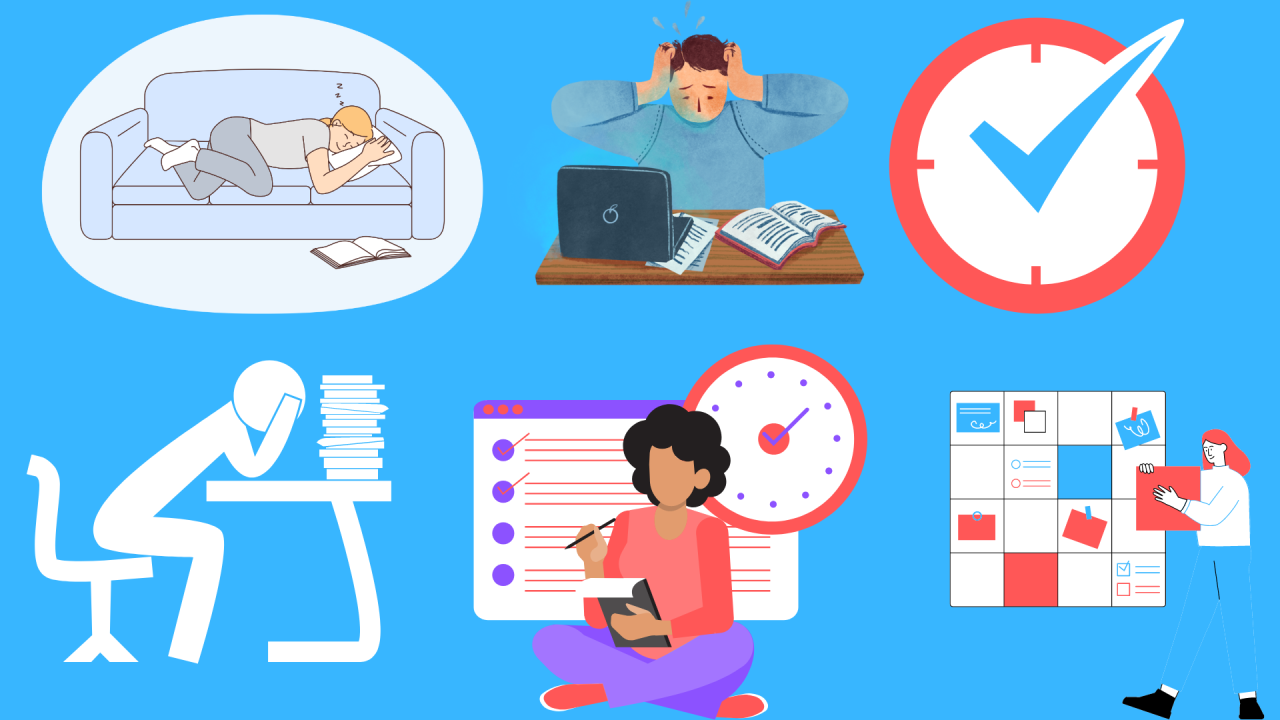
How Do I Avoid Procrastination and Stay Focused?
Procrastination and lack of focus are often treated as separate problems, but in practice they are deeply interconnected. Procrastination is essentially a breakdown of task initiation and sustained attention, while lack of focus is the fragmentation of attention once a task has begun. Both are symptoms of how the brain manages effort, reward, and cognitive load.
To avoid procrastination and stay focused, it is not enough to rely on motivation or self-discipline alone. You need to understand the underlying cognitive mechanisms: how the brain evaluates effort versus reward, how distractions compete for attention, and how habits and environment shape behavior automatically.
This article breaks down procrastination and focus from a cognitive and behavioral perspective and explains how to systematically reduce procrastination while improving sustained attention.
1. What Procrastination Actually Is
Procrastination is not simply laziness. In cognitive terms, it is:
The voluntary delay of an intended action despite expecting negative consequences.
This means the brain is actively choosing short-term relief over long-term benefit.
Procrastination usually arises from a conflict between:
-
Immediate emotional comfort (avoiding discomfort)
-
Delayed reward (completing important tasks)
The brain naturally prefers immediate rewards, which is why procrastination is so common.
2. Why Procrastination Happens (The Cognitive Mechanism)
Several psychological systems contribute to procrastination:
1. Effort aversion
The brain tries to minimize mental effort. Difficult tasks feel costly, so it avoids them.
2. Task ambiguity
When a task is unclear, the brain perceives higher cognitive load and delays action.
3. Emotional avoidance
Tasks associated with stress, fear of failure, or boredom trigger avoidance behavior.
4. Overwhelm from large tasks
Large, undefined tasks feel impossible, leading to delay.
5. Low immediate reward
If a task does not provide instant gratification, it competes poorly with distractions.
Procrastination is therefore not a single behavior, but a decision-making bias toward immediate comfort.
3. The Link Between Procrastination and Focus
Once a task is delayed, focus becomes harder to maintain because:
-
Mental resistance increases
-
Anxiety or guilt builds up
-
Task becomes mentally heavier over time
When you finally start, attention is often fragmented due to:
-
Cognitive overload
-
Emotional stress
-
Lack of clarity
This creates a cycle:
Procrastination → increased task pressure → reduced focus → more avoidance
Breaking this cycle requires addressing both initiation and sustained attention.
4. The First Step: Reducing Task Friction
One of the most effective ways to reduce procrastination is to reduce the friction required to start a task.
Friction includes:
-
Unclear instructions
-
Large, intimidating tasks
-
Complex setup requirements
-
Decision overload
To reduce friction:
Break tasks into micro-steps
Instead of:
-
“Write report”
Use:
-
Open document
-
Write title
-
Draft introduction
-
Outline section 1
The brain resists large abstract tasks but accepts small concrete actions.
Define the next physical action
Focus improves when the next step is extremely specific.
5. The 2-Minute Start Principle
One powerful method to overcome procrastination is reducing the entry barrier:
Start by committing to just 2 minutes of work.
This works because:
-
Starting is the hardest part
-
Once engaged, momentum builds naturally
-
The brain shifts from avoidance to action mode
Often, once you begin, continuing becomes easier than stopping.
6. Why Focus Breaks After Starting
Even when procrastination is overcome, maintaining focus is a separate challenge.
Focus breaks down due to:
-
Digital distractions
-
Task switching
-
Mental fatigue
-
Lack of structure
Without attention management, starting a task does not guarantee progress.
This is why both initiation and sustained focus must be addressed together.
7. Time Blocking as a Focus Strategy
Time blocking helps reduce both procrastination and distraction.
It works by assigning:
-
Specific time periods to tasks
-
Clear boundaries for work sessions
-
Defined start and end points
This reduces uncertainty and decision-making.
Example:
-
9:00–9:45 → Task A
-
10:00–10:30 → Task B
The brain focuses better when time is structured because it removes ambiguity about when to work.
8. Eliminating Digital Distractions
One of the strongest drivers of both procrastination and poor focus is digital stimulation.
Common distractions include:
-
Social media
-
Messaging apps
-
Video platforms
-
News feeds
These provide instant reward, making delayed tasks less appealing.
To improve focus:
-
Turn off notifications
-
Use focus or do-not-disturb modes
-
Block distracting apps during work sessions
-
Keep phone physically away
The goal is to reduce access, not just resist temptation.
9. Emotional Regulation and Procrastination
Many procrastination behaviors are emotionally driven.
Common emotional triggers:
-
Anxiety about performance
-
Fear of failure
-
Boredom
-
Frustration with difficulty
When these emotions appear, the brain seeks relief through distraction.
To counter this:
-
Acknowledge discomfort without reacting to it
-
Start with small, low-pressure actions
-
Normalize difficulty as part of the process
Procrastination often weakens once emotional resistance is reduced.
10. Building Focus Through Structured Work Sessions
Focus improves when work is structured into cycles.
A typical structure:
-
25–50 minutes focused work
-
5–10 minute break
-
Repeat
This prevents mental fatigue and maintains attention stability.
During focus sessions:
-
Only one task should be active
-
Interruptions should be minimized
-
External distractions should be removed
Structured sessions create predictable attention patterns.
11. The Role of Habits in Procrastination
Procrastination is often habitual.
Common habit loops:
-
Cue → discomfort → distraction → relief
To change this:
-
Replace distraction habits with action habits
-
Use consistent start routines
-
Build automatic work triggers
Example:
-
Sit at desk → open task list → begin first micro-step
Over time, starting becomes automatic.
12. Motivation vs Systems
A common misconception is that procrastination is solved by motivation.
In reality:
-
Motivation is inconsistent
-
Systems are stable
Effective systems include:
-
Clear task breakdowns
-
Structured schedules
-
Reduced distractions
-
Habit-based initiation
Systems reduce reliance on emotional readiness.
13. Energy Management and Focus Stability
Procrastination often increases when energy is low.
Factors affecting energy:
-
Sleep quality
-
Nutrition
-
Stress levels
-
Physical inactivity
Low energy leads to:
-
Increased avoidance behavior
-
Reduced attention span
-
Higher distraction sensitivity
Improving energy improves both task initiation and focus duration.
14. Overcoming Overwhelm
Overwhelm is a major cause of procrastination.
It occurs when:
-
Tasks feel too large
-
Too many tasks exist at once
-
No clear priority exists
To reduce overwhelm:
-
Limit active tasks
-
Focus on one priority at a time
-
Break large goals into steps
-
Define immediate next actions
Clarity reduces cognitive resistance.
15. The Core Principle: Reduce Resistance, Increase Clarity
Both procrastination and lack of focus are fundamentally resistance problems.
To solve them:
-
Reduce friction to starting
-
Reduce distractions during execution
-
Increase clarity of tasks
-
Structure time and attention
-
Build supportive habits
When resistance is low, action becomes natural.
Conclusion
Avoiding procrastination and maintaining focus is not about forcing discipline—it is about designing conditions where action is easier than avoidance. Procrastination arises from emotional resistance, unclear tasks, and high cognitive load, while poor focus results from distraction, fragmentation, and lack of structure.
The most effective strategies include:
-
Breaking tasks into small steps
-
Using the 2-minute start rule
-
Eliminating digital distractions
-
Structuring work into time blocks
-
Managing emotional resistance
-
Building consistent habits
-
Improving energy levels
Ultimately, procrastination and focus are two sides of the same cognitive system. When you reduce resistance to starting and protect attention during execution, both problems improve simultaneously.
- Arts
- Business
- Computers
- Spellen
- Health
- Home
- Kids and Teens
- Money
- News
- Personal Development
- Recreation
- Regional
- Reference
- Science
- Shopping
- Society
- Sports
- Бизнес
- Деньги
- Дом
- Досуг
- Здоровье
- Игры
- Искусство
- Источники информации
- Компьютеры
- Личное развитие
- Наука
- Новости и СМИ
- Общество
- Покупки
- Спорт
- Страны и регионы
- World

 English
 Russian
 French
 Spanish
 Portuguese
 Deutsch
 Turkish
 Italiano
 Arabic
 Romaian
 Portuguese (Brazil)
 Greek
Greek