
Is Government Debt Bad?
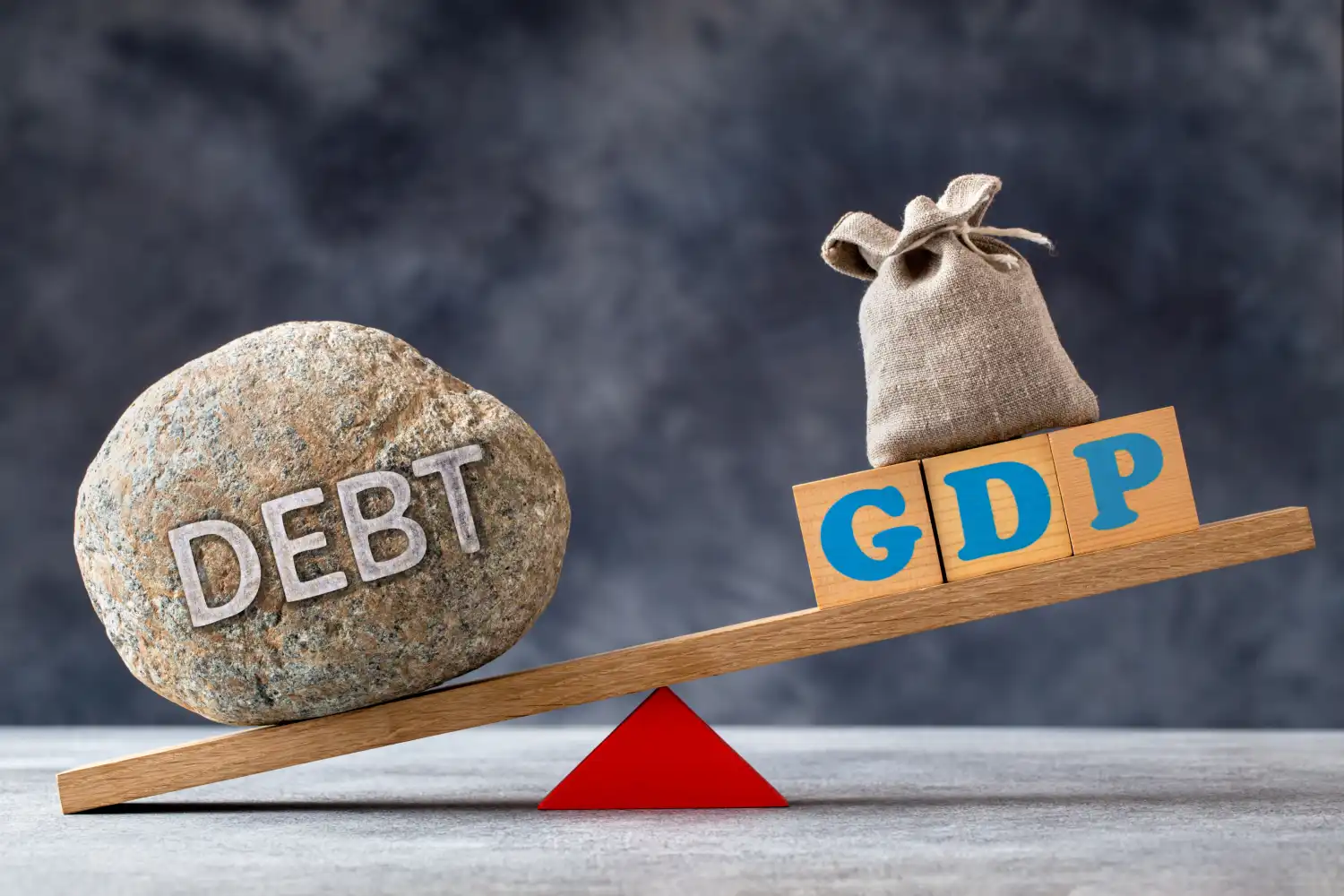
Is Government Debt Bad?
Government debt is one of the most debated topics in economics and politics. Headlines often portray it as a looming danger—something that must be reduced to avoid crisis. Yet many countries operate with large and persistent levels of debt without immediate disaster. So, is government debt inherently bad? The answer is more nuanced: it depends on how much debt there is, why it exists, and how it is managed.
What Is Government Debt?
Government debt, also known as public debt, is the total amount a government owes to creditors. These creditors can include individuals, banks, pension funds, foreign governments, and international institutions. Governments typically borrow by issuing bonds, which promise repayment with interest over time.
Debt accumulates when a government runs a budget deficit—meaning it spends more than it collects in taxes.
Why Governments Borrow
Borrowing is not always a sign of mismanagement. In fact, it can be a useful and even necessary tool. Governments take on debt for several key reasons:
1. Economic Stabilization
During recessions, governments often increase spending or cut taxes to stimulate economic activity. This approach, rooted in ideas popularized by John Maynard Keynes, can help reduce unemployment and revive growth. Borrowing allows governments to act without immediately raising taxes during tough times.
2. Investment in the Future
Debt can fund infrastructure, education, healthcare, and research—investments that may boost long-term economic growth. For example, building roads or digital networks can increase productivity and generate higher future tax revenues.
3. Emergency Spending
Wars, pandemics, and natural disasters often require rapid, large-scale spending. Borrowing allows governments to respond quickly without waiting to raise funds through taxation.
When Government Debt Is Not a Problem
Government debt is not automatically harmful. In many cases, it is manageable and even beneficial under certain conditions:
1. Strong Economic Growth
If an economy grows faster than its debt, the burden of that debt becomes easier to handle. A growing economy increases tax revenues, making it easier to repay obligations.
2. Low Interest Rates
When borrowing costs are low, governments can sustain higher levels of debt without significant strain. For instance, countries like Japan have maintained high debt levels for years partly because interest rates remain very low.
3. Debt in Domestic Currency
Countries that borrow in their own currency—like the United States—have more flexibility. They can, in extreme cases, rely on their central bank to help manage debt, reducing the risk of default.
4. Credible Institutions
Trust matters. If investors believe a government is responsible and capable of repayment, they are more willing to lend at reasonable interest rates.
When Government Debt Becomes a Problem
While debt can be useful, it can also become dangerous if it grows too large or is poorly managed.
1. High Debt Levels Relative to GDP
A common measure is the debt-to-GDP ratio. If debt grows much faster than the economy, it may signal trouble. Extremely high levels can lead to concerns about a country’s ability to repay.
2. Rising Interest Costs
As debt increases, so do interest payments. If a large portion of government revenue goes toward servicing debt, less is available for public services like education or healthcare.
3. Loss of Investor Confidence
If investors lose trust, they may demand higher interest rates or stop lending altogether. This can trigger a debt crisis. A well-known example is Greece during the European debt crisis, when borrowing costs soared and severe austerity measures followed.
4. Inflation Risks
In some cases, governments may rely on central banks to finance debt by creating money. While this can help in the short term, excessive money creation can lead to high inflation.
5. Burden on Future Generations
Critics argue that high debt shifts the burden to future taxpayers, who may face higher taxes or reduced public services.
Different Perspectives on Government Debt
Economists disagree on how serious government debt is.
Traditional View
This perspective sees high debt as a risk that should be minimized. It emphasizes fiscal discipline, balanced budgets, and avoiding excessive borrowing.
Keynesian View
Inspired by John Maynard Keynes, this approach argues that borrowing is acceptable, especially during economic downturns. The focus is on stabilizing the economy rather than balancing budgets at all times.
Modern Perspectives
Some modern theories suggest that countries with control over their currency can sustain higher debt levels than previously thought, as long as inflation remains under control. However, this view remains controversial.
Debt vs. Deficit: Why the Distinction Matters
It’s important to distinguish between debt and deficit:
-
A deficit is the annual shortfall between spending and revenue.
-
Debt is the accumulation of past deficits.
A government can reduce its deficit but still have a large debt. Similarly, a temporary increase in deficits (and thus debt) may be justified during a crisis.
Is There a “Safe” Level of Debt?
There is no universal threshold where debt becomes dangerous. While some economists once suggested that debt above 90% of GDP slows growth, real-world evidence shows that outcomes vary widely depending on context.
For example:
-
Japan has a very high debt-to-GDP ratio but has not experienced a crisis.
-
Greece faced severe difficulties at lower levels due to structural weaknesses and loss of investor confidence.
The key takeaway is that the sustainability of debt depends on factors like economic growth, interest rates, and institutional strength—not just the raw numbers.
The Role of Policy and Management
Good debt management is crucial. Governments can keep debt under control through:
-
Responsible fiscal policies (balancing spending and revenue over time)
-
Economic growth strategies (boosting productivity and employment)
-
Transparent governance (maintaining investor confidence)
-
Prudent borrowing (avoiding excessive reliance on short-term or foreign currency debt)
Debt used wisely can support growth, while reckless borrowing can lead to instability.
Conclusion
So, is government debt bad? Not necessarily. Debt is a tool—one that can either support economic stability and growth or create serious risks, depending on how it is used.
When managed responsibly, government debt can help finance investments, respond to crises, and stabilize economies. But when it becomes excessive or unsustainable, it can lead to high interest costs, loss of confidence, and even financial crises.
Ultimately, the question is not whether governments should have debt, but whether they are using it wisely.
- Arts
- Business
- Computers
- Spiele
- Health
- Startseite
- Kids and Teens
- Geld
- News
- Personal Development
- Recreation
- Regional
- Reference
- Science
- Shopping
- Society
- Sports
- Бизнес
- Деньги
- Дом
- Досуг
- Здоровье
- Игры
- Искусство
- Источники информации
- Компьютеры
- Личное развитие
- Наука
- Новости и СМИ
- Общество
- Покупки
- Спорт
- Страны и регионы
- World

 English
 Russian
 French
 Spanish
 Portuguese
 Turkish
 Dutch
Dutch
 Italiano
 Arabic
 Romaian
 Portuguese (Brazil)
 Greek
Greek