
How to Stay Organized in a Busy Office?
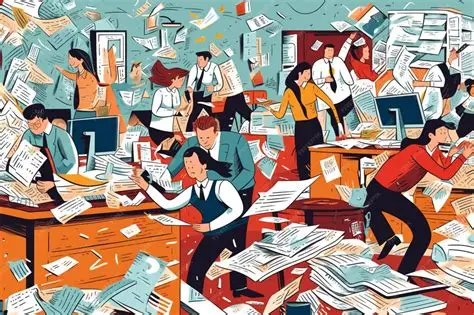
Staying organized in a busy office is one of the most important skills for maintaining productivity, reducing stress, and ensuring smooth operations. In fast-paced work environments, employees are often required to handle multiple tasks, manage deadlines, coordinate with teams, and respond to unexpected changes. Without proper organization, this can quickly lead to confusion, missed deadlines, and decreased efficiency.
Being organized is not just about keeping your desk clean—it involves managing time, information, tasks, and communication effectively. With the right strategies and tools, anyone can stay organized even in the busiest office environments.
Understanding Workplace Organization
Workplace organization refers to the ability to structure tasks, information, and resources in a way that maximizes efficiency and minimizes confusion.
It includes:
- Managing tasks and priorities
- Organizing physical and digital files
- Planning schedules
- Maintaining clear communication
A well-organized approach ensures that work is completed accurately and on time.
Why Organization Is Important in a Busy Office
A busy office environment can be overwhelming without proper organization.
Good organization helps:
- Improve productivity
- Reduce stress
- Prevent errors
- Save time
- Enhance teamwork
It allows employees to work smarter rather than harder.
Start with a Clear Plan
Planning is the foundation of organization.
At the start of each day:
- Review your tasks
- Set priorities
- Create a schedule
Having a clear plan helps you stay focused and prepared.
Use Task Management Tools
Digital tools can help track tasks and deadlines.
Popular options include:
- To-do lists
- Task management apps
- Calendar systems
Using tools like Microsoft Outlook helps schedule tasks and set reminders effectively.
Prioritize Your Tasks
Not all tasks are equally important.
Use prioritization techniques such as:
- Urgent vs important tasks
- Deadlines and impact
Focusing on high-priority tasks ensures efficiency.
Keep Your Workspace Clean
A cluttered workspace can reduce focus.
To stay organized:
- Keep only essential items on your desk
- Remove unnecessary papers
- Organize supplies
A clean workspace improves concentration.
Organize Digital Files
Digital clutter can be just as problematic as physical clutter.
Use systems like:
- Clear folder structures
- Consistent file naming
- Regular file cleanup
Tools like Microsoft Excel can help manage data efficiently.
Use Time Blocking
Time blocking involves allocating specific time slots for tasks.
Benefits include:
- Improved focus
- Reduced multitasking
- Better time management
It helps structure your day effectively.
Avoid Multitasking
While multitasking may seem efficient, it often reduces productivity.
Instead:
- Focus on one task at a time
- Complete tasks before moving on
This improves accuracy and efficiency.
Set Realistic Deadlines
Overloading your schedule can lead to stress.
To avoid this:
- Estimate time accurately
- Allow buffer time
- Avoid overcommitting
Realistic deadlines improve productivity.
Manage Emails Effectively
Emails can quickly become overwhelming.
To stay organized:
- Check emails at set times
- Use folders and labels
- Delete unnecessary messages
Organized email management saves time.
Keep a Daily Checklist
A checklist helps track progress.
It allows you to:
- Stay focused
- Monitor completed tasks
- Avoid forgetting important work
Checklists are simple but powerful tools.
Develop Consistent Routines
Routines improve efficiency.
Daily habits may include:
- Starting with priority tasks
- Reviewing schedules
- Organizing your workspace
Consistency reduces decision fatigue.
Use Labels and Categories
Labeling helps organize both physical and digital items.
You can:
- Label folders and files
- Categorize tasks
- Use color coding
This improves visibility and access.
Minimize Distractions
Distractions can disrupt organization.
Common distractions include:
- Social media
- Noise
- Unnecessary conversations
Reducing distractions improves focus.
Delegate Tasks When Possible
Delegation helps manage workload.
You should:
- Assign tasks to others when appropriate
- Focus on high-priority responsibilities
Delegation improves efficiency and teamwork.
Track Deadlines and Appointments
Keeping track of deadlines is essential.
Use calendars to:
- Schedule meetings
- Set reminders
- Track important dates
Digital calendars help prevent missed deadlines.
Regularly Review Your Work
Reviewing your tasks helps maintain organization.
You should:
- Check progress
- Adjust priorities
- Update plans
Regular reviews keep you on track.
Maintain Filing Systems
Both physical and digital filing systems are important.
They should be:
- Clearly structured
- Easy to navigate
- Regularly updated
Good filing systems save time and reduce stress.
Use Automation Tools
Automation can simplify repetitive tasks.
Examples include:
- Email filters
- Calendar reminders
- Task automation
Automation improves efficiency.
Stay Flexible
Even with organization, unexpected tasks can arise.
To handle this:
- Adjust your schedule
- Re-prioritize tasks
- Stay calm
Flexibility ensures adaptability.
Improve Communication
Clear communication supports organization.
You should:
- Share updates
- Clarify expectations
- Ask questions
Good communication prevents confusion.
Take Breaks to Stay Focused
Working continuously can reduce efficiency.
Short breaks help:
- Refresh your mind
- Improve focus
- Reduce stress
Balanced work improves productivity.
Learn to Say No
Taking on too many tasks can lead to disorganization.
You should:
- Set boundaries
- Focus on priorities
- Avoid overcommitment
This helps maintain control over your workload.
Build Good Habits
Organization is built through habits.
Examples include:
- Cleaning your workspace daily
- Updating task lists
- Reviewing schedules
Good habits create long-term organization.
Train and Improve Skills
Continuous learning improves organization.
You can:
- Learn new tools
- Improve time management
- Develop planning skills
Skill development enhances efficiency.
Common Mistakes to Avoid
Avoid these common issues:
- Procrastination
- Poor planning
- Ignoring deadlines
- Clutter buildup
Avoiding mistakes improves organization.
Benefits of Staying Organized
Being organized leads to:
- Increased productivity
- Reduced stress
- Better performance
- Improved work quality
These benefits support career success.
Long-Term Impact of Organization
Over time, strong organizational skills:
- Improve efficiency
- Build reliability
- Enhance career growth
They are essential for professional success.
Conclusion
Staying organized in a busy office is essential for maintaining productivity and reducing stress. By planning tasks, using digital tools, managing time effectively, and maintaining clear systems, employees can handle even the most demanding work environments.
Organization is a skill that improves with practice. With consistent effort and the right strategies, anyone can stay organized and succeed in a fast-paced office setting.
- Arts
- Business
- Computers
- Oyunlar
- Health
- Home
- Kids and Teens
- Money
- News
- Personal Development
- Recreation
- Regional
- Reference
- Science
- Shopping
- Society
- Sports
- Бизнес
- Деньги
- Дом
- Досуг
- Здоровье
- Игры
- Искусство
- Источники информации
- Компьютеры
- Личное развитие
- Наука
- Новости и СМИ
- Общество
- Покупки
- Спорт
- Страны и регионы
- World

 English
 Russian
 French
 Spanish
 Portuguese
 Deutsch
 Dutch
Dutch
 Italiano
 Arabic
 Romaian
 Portuguese (Brazil)
 Greek
Greek