
How Do Trade Wars Affect Economies?
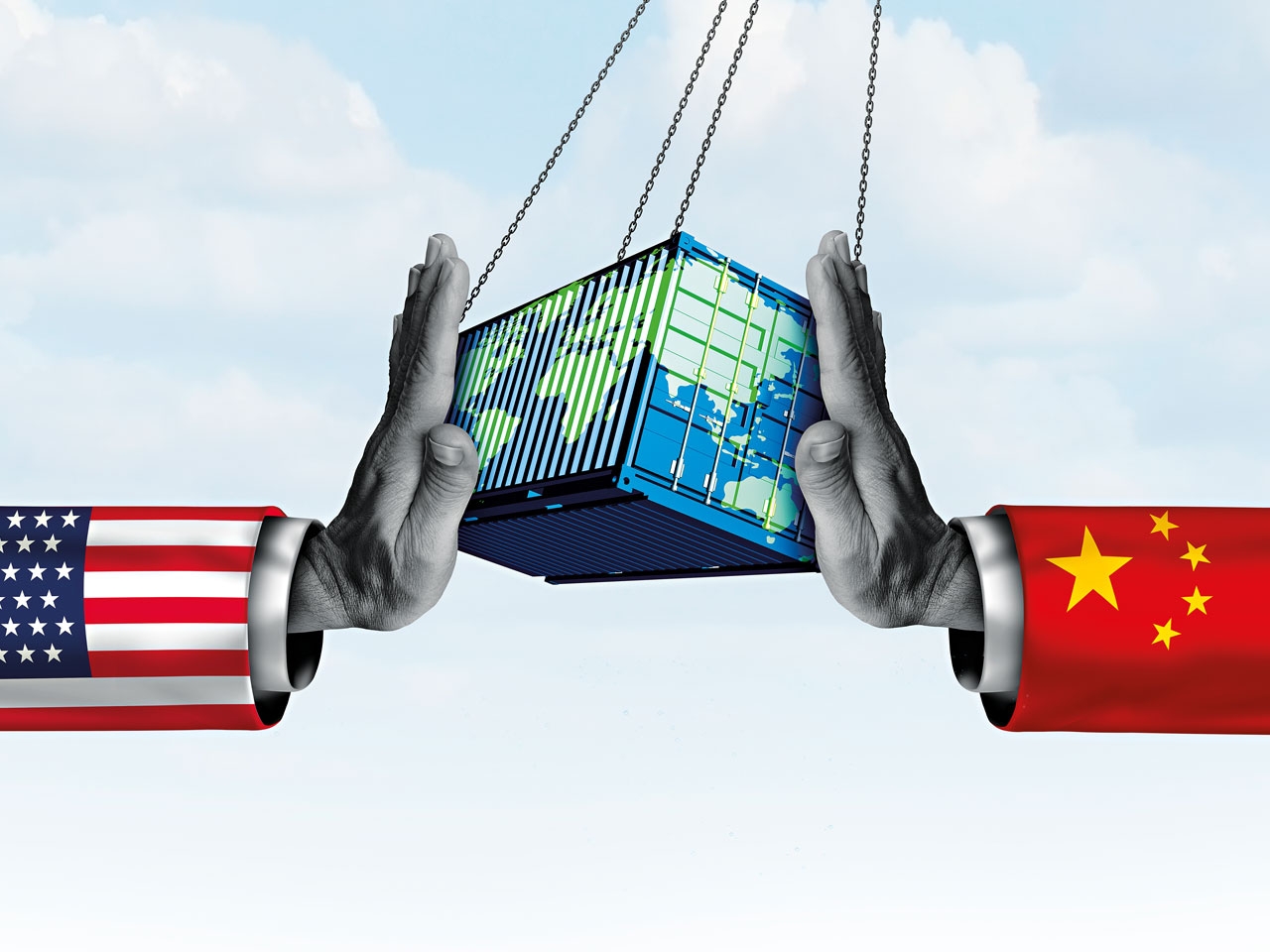
How Do Trade Wars Affect Economies?
Trade wars—situations where countries impose tariffs or other barriers against each other in response to trade disputes—can have far-reaching consequences for economies around the world. While governments often justify these measures as a way to protect domestic industries or correct trade imbalances, the broader economic effects are complex and frequently disruptive. From higher consumer prices to slowed global growth, trade wars tend to create more losers than winners over time.
What Triggers a Trade War?
A trade war typically begins when one country believes another is engaging in unfair trade practices. These may include dumping (selling goods below cost), excessive subsidies to domestic industries, or intellectual property theft. In response, a country imposes tariffs or quotas. The targeted country retaliates with its own restrictions, and the cycle escalates.
A prominent example is the United States–China trade war, where both nations imposed hundreds of billions of dollars in tariffs on each other’s goods. While intended to shift trade dynamics, the ripple effects were felt globally.
Impact on Economic Growth
One of the most immediate effects of a trade war is a slowdown in economic growth. Tariffs increase the cost of imports, which can reduce trade volumes. Since international trade is a key driver of global economic activity, disruptions can weaken growth in multiple countries.
Businesses that rely on imported raw materials face higher costs, which can lead to reduced production or delayed investments. At the same time, exporters may lose access to important foreign markets due to retaliatory tariffs. This dual pressure—rising costs and falling demand—can dampen overall economic output.
International organizations such as the International Monetary Fund have repeatedly warned that prolonged trade conflicts can significantly lower global GDP growth.
Rising Prices and Inflation
Trade wars often lead to higher prices for consumers. When tariffs are placed on imported goods, businesses typically pass those additional costs on to customers. This can increase the price of everyday items such as electronics, clothing, and food.
For example, tariffs on steel and aluminum can raise production costs for industries like construction and automobile manufacturing. As a result, consumers may end up paying more for cars, appliances, and housing.
In some cases, this contributes to inflation, especially if the tariffs affect a wide range of goods. Central banks may then face difficult decisions about whether to raise interest rates to control inflation or support growth.
Disruption of Global Supply Chains
Modern economies are deeply interconnected through global supply chains. Many products are not made in a single country but assembled from components produced across multiple regions. Trade wars disrupt these networks.
When tariffs are introduced, companies may need to find alternative suppliers or relocate production to avoid higher costs. While this can eventually lead to diversification, the transition is often expensive and inefficient in the short term.
For instance, during the U.S.-China trade conflict, many companies shifted manufacturing to countries like Vietnam or Mexico. However, these adjustments required time, capital investment, and logistical changes, reducing efficiency in the process.
Impact on Employment
Trade wars can have mixed effects on employment. On one hand, tariffs may protect certain domestic industries, potentially preserving or even creating jobs in those sectors. For example, tariffs on imported steel might benefit local steel producers.
On the other hand, industries that rely on exports or imported inputs may suffer job losses. Farmers, manufacturers, and technology companies often face declining sales in foreign markets due to retaliatory tariffs. In the United States, agricultural sectors were particularly affected during the trade war with China, leading to reduced exports and financial strain.
Overall, the net impact on employment is often negative, especially when the broader economy slows down.
Financial Market Volatility
Trade wars introduce uncertainty, which financial markets tend to dislike. Announcements of new tariffs or escalating tensions can lead to sharp fluctuations in stock markets, currency values, and commodity prices.
Investors may become cautious, pulling back on investments or shifting funds to safer assets. This can reduce capital flows into businesses, slowing expansion and innovation. Exchange rates may also fluctuate as countries attempt to maintain competitiveness, further complicating international trade.
Effects on Developing Economies
Developing countries are particularly vulnerable to trade wars. Many rely heavily on exports to larger economies, and disruptions can significantly impact their growth.
However, some developing nations may benefit in specific situations. When major economies impose tariffs on each other, companies may shift production to third countries to avoid tariffs. This can create new opportunities for emerging markets.
Still, these benefits are often uneven and may not fully offset the broader negative effects of reduced global trade.
Political and Strategic Consequences
Trade wars are not purely economic—they also have political and strategic dimensions. Governments may use trade measures to exert pressure or gain leverage in broader geopolitical disputes.
However, prolonged trade conflicts can strain diplomatic relationships and reduce cooperation on global issues such as climate change, security, and public health. In some cases, they may even escalate into broader economic or political confrontations.
Institutions like the World Trade Organization are designed to resolve disputes and prevent such escalations, but their effectiveness depends on member cooperation.
Long-Term Structural Changes
Over time, trade wars can lead to lasting changes in the global economy. Countries may seek to reduce dependence on foreign suppliers by investing in domestic industries—a process often referred to as “reshoring” or “economic nationalism.”
While this can increase resilience, it may also reduce efficiency. Global trade allows countries to specialize in what they do best, leading to lower costs and greater productivity. Trade wars can reverse some of these gains.
Additionally, businesses may adopt a more cautious approach to international expansion, slowing globalization trends that have shaped the world economy for decades.
Are There Any Winners?
While trade wars generally have negative overall effects, some groups may benefit in the short term. Protected industries can gain market share, and governments may collect tariff revenue.
However, these gains are often outweighed by broader economic losses. Consumers pay higher prices, businesses face uncertainty, and global trade declines. Economists widely agree that free and open trade tends to produce better outcomes than protectionist policies.
Conclusion
Trade wars are complex events with wide-ranging economic consequences. While they are often initiated to address legitimate concerns, their effects can ripple across industries, countries, and global markets. Slower economic growth, higher prices, disrupted supply chains, and increased uncertainty are common outcomes.
In an increasingly interconnected world, cooperation and negotiation are generally more effective than confrontation. While trade disputes are inevitable, managing them through dialogue and international frameworks can help minimize the economic damage and support long-term prosperity.
- Arts
- Business
- Computers
- Juegos
- Health
- Home
- Kids and Teens
- Money
- News
- Personal Development
- Recreation
- Regional
- Reference
- Science
- Shopping
- Society
- Sports
- Бизнес
- Деньги
- Дом
- Досуг
- Здоровье
- Игры
- Искусство
- Источники информации
- Компьютеры
- Личное развитие
- Наука
- Новости и СМИ
- Общество
- Покупки
- Спорт
- Страны и регионы
- World

 English
 Russian
 French
 Portuguese
 Deutsch
 Turkish
 Dutch
Dutch
 Italiano
 Arabic
 Romaian
 Portuguese (Brazil)
 Greek
Greek