
How to be more productive during the day?
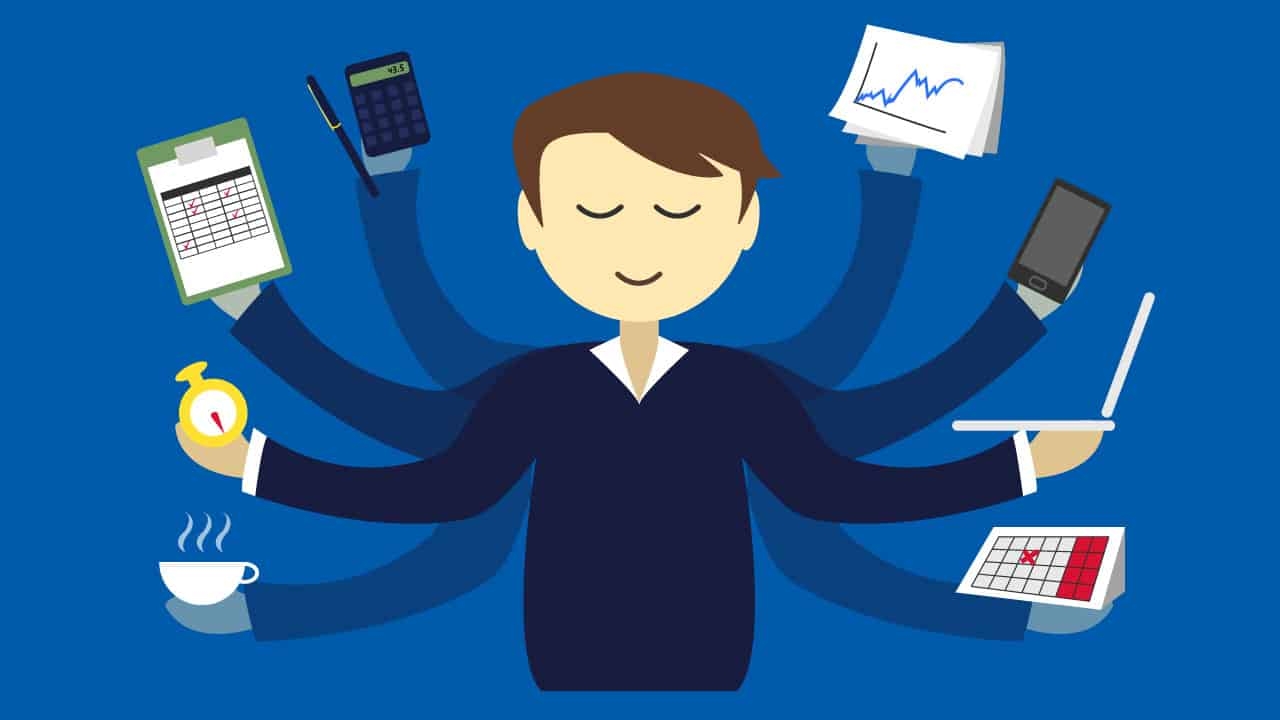
How to Be More Productive During the Day
Productivity is often misunderstood as simply “doing more things in less time.” In reality, true productivity is about consistently working on the right tasks with clarity, focus, and minimal wasted effort. Many people struggle with low productivity not because they lack ability, but because their day is fragmented, unstructured, or overloaded with distractions and low-value activities.
Being more productive during the day is not about pushing yourself harder. It is about designing your time, environment, and habits in a way that makes effective work the default outcome.
This article breaks down productivity into practical systems and daily strategies you can apply immediately.
1. Understand What Productivity Actually Means
Productivity is not:
-
Being busy all day
-
Multitasking constantly
-
Working without breaks
Productivity is:
Completing meaningful tasks efficiently with sustained focus and minimal wasted effort.
This means:
-
Fewer but higher-quality tasks
-
Deep focus over scattered attention
-
Intentional use of time
2. Start the Day With a Clear Plan
One of the biggest productivity killers is starting the day without structure.
Before you begin working, define:
-
What needs to be done today
-
What is most important
-
What can be postponed
A simple daily plan should include:
-
2–4 key tasks
-
Time estimates
-
Priority order
Without a plan, your day becomes reactive instead of intentional.
3. Identify Your Most Important Tasks (MITs)
Not all tasks are equal.
Each day, identify:
-
1–3 high-impact tasks
These are tasks that:
-
Move you closer to your goals
-
Have significant consequences if delayed
Complete these first whenever possible.
4. Use Time Blocking to Structure Your Day
Time blocking means assigning specific time slots to tasks.
Example:
-
9:00–10:30 → Deep work
-
10:30–11:00 → Emails
-
11:00–12:30 → Project work
Benefits:
-
Reduces decision fatigue
-
Prevents task switching
-
Improves focus
When time has structure, productivity increases naturally.
5. Start With High-Energy Tasks
Your energy fluctuates throughout the day.
Most people are most productive:
-
In the morning or early hours
Use this time for:
-
Deep work
-
Difficult tasks
-
Creative thinking
Save easier tasks for lower-energy periods.
6. Eliminate Distractions Early
Distractions destroy productivity before it begins.
To reduce them:
-
Turn off notifications
-
Put phone away
-
Close unnecessary apps and tabs
If distractions are easily accessible, your brain will default to them.
7. Break Tasks Into Smaller Steps
Large tasks feel overwhelming and reduce productivity.
Instead of:
-
“Work on project”
Break into:
-
Open file
-
Write outline
-
Complete section 1
Smaller steps reduce resistance and improve momentum.
8. Use Focused Work Intervals
Structured work periods improve concentration.
Common method:
-
25–50 minutes focused work
-
5–10 minute break
This helps:
-
Maintain attention
-
Prevent burnout
-
Sustain energy throughout the day
9. Avoid Multitasking
Multitasking reduces efficiency significantly.
Instead of switching between tasks:
-
Focus on one task at a time
-
Finish it before moving on
Each switch reduces cognitive efficiency and increases errors.
10. Reduce Decision Fatigue
Too many decisions drain mental energy.
To reduce this:
-
Plan your day in advance
-
Follow routines
-
Standardize repetitive actions
The fewer decisions you make during the day, the more energy you have for important work.
11. Build a Consistent Morning Routine
A strong morning routine sets the tone for productivity.
A simple structure:
-
Wake up
-
Hydrate
-
Review daily plan
-
Start first task immediately
Avoid starting the day with passive activities like scrolling.
12. Prioritize Deep Work Over Shallow Work
Deep work = focused, high-value tasks
Shallow work = emails, minor tasks, distractions
To increase productivity:
-
Do deep work first
-
Limit shallow work to specific time blocks
13. Manage Energy, Not Just Time
Productivity depends heavily on energy levels.
To improve energy:
-
Sleep consistently
-
Take breaks
-
Eat properly
-
Stay hydrated
Low energy leads to low output regardless of time available.
14. Use the “Start Small” Strategy
Starting is often the hardest part.
To overcome resistance:
-
Begin with a very small step
Example:
-
Open document
-
Write one sentence
-
Solve one problem
Starting creates momentum.
15. Track Your Progress Throughout the Day
Tracking increases awareness and motivation.
You can track:
-
Completed tasks
-
Time spent on activities
-
Productivity patterns
This helps identify inefficiencies.
16. Minimize Low-Value Activities
Many productivity issues come from spending time on:
-
Excessive social media
-
Unnecessary browsing
-
Unplanned tasks
Ask:
“Is this task contributing to my goals?”
If not, reduce or eliminate it.
17. Use Clear Deadlines for Tasks
Deadlines increase urgency and focus.
Instead of:
-
“I’ll do this later”
Use:
-
“I will finish this by 2 PM”
Clear deadlines prevent delay.
18. Batch Similar Tasks Together
Switching between different types of tasks slows you down.
Instead:
-
Group similar tasks
Examples:
-
Emails together
-
Writing tasks together
-
Admin tasks together
This improves efficiency.
19. Take Strategic Breaks
Breaks are necessary for sustained productivity.
Good breaks include:
-
Walking
-
Stretching
-
Resting without screens
Avoid breaks that lead to distraction loops.
20. Build Consistency Through Routine
Productivity improves when actions become habitual.
Examples:
-
Same work hours daily
-
Same starting routine
-
Repeated workflow structure
Consistency reduces mental effort.
21. Avoid Overloading Your Schedule
Too many tasks reduce productivity.
Instead:
-
Focus on a few high-priority tasks
-
Leave buffer time
Overloading leads to stress and unfinished work.
22. Reflect and Adjust Daily
At the end of the day, ask:
-
What did I accomplish?
-
What slowed me down?
-
What can I improve?
Reflection improves future productivity.
23. Protect Your Focus Environment
Your environment strongly influences productivity.
Optimize it by:
-
Keeping workspace clean
-
Reducing noise
-
Removing distractions
A focused environment supports focused work.
Putting It All Together
To be more productive during the day:
-
Plan your tasks clearly
-
Focus on high-impact work
-
Use time blocking
-
Eliminate distractions
-
Work in focused intervals
-
Manage energy
-
Build routines
These systems work together to create consistent productivity.
Conclusion
Productivity is not about doing everything—it is about doing the right things efficiently and consistently.
When you:
-
Structure your day
-
Eliminate distractions
-
Prioritize important work
-
Manage energy effectively
you transform your output significantly.
The key principle is:
Productivity is the result of systems, not motivation.
By building better systems, you make productive days the default rather than the exception.
- Arts
- Business
- Computers
- Juegos
- Health
- Home
- Kids and Teens
- Money
- News
- Personal Development
- Recreation
- Regional
- Reference
- Science
- Shopping
- Society
- Sports
- Бизнес
- Деньги
- Дом
- Досуг
- Здоровье
- Игры
- Искусство
- Источники информации
- Компьютеры
- Личное развитие
- Наука
- Новости и СМИ
- Общество
- Покупки
- Спорт
- Страны и регионы
- World

 English
 Russian
 French
 Portuguese
 Deutsch
 Turkish
 Dutch
Dutch
 Italiano
 Arabic
 Romaian
 Portuguese (Brazil)
 Greek
Greek