
How to deal with procrastination guilt?
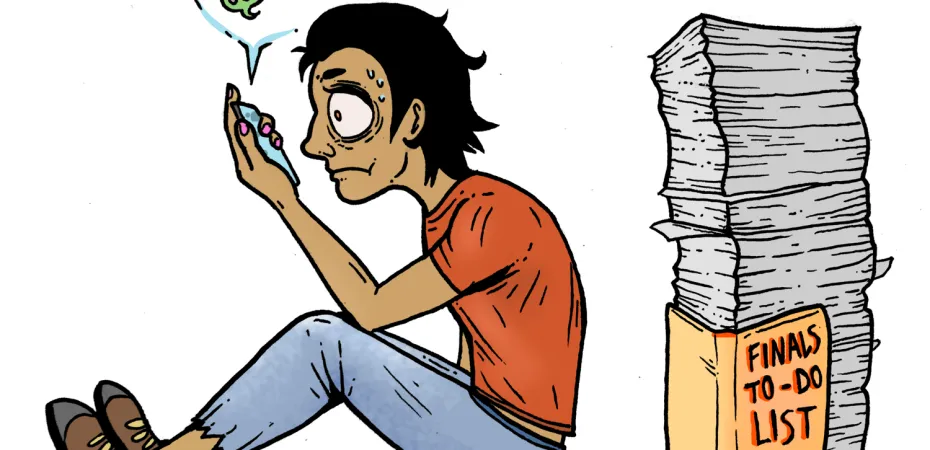
How to Deal With Procrastination Guilt
Procrastination guilt is the emotional aftermath of delaying important tasks. It is the uncomfortable feeling that arises when you know you should have acted earlier, but didn’t. This guilt can range from mild irritation to intense self-criticism and anxiety. For many people, the guilt becomes as painful as the procrastination itself, sometimes even reinforcing further avoidance.
To deal with procrastination guilt effectively, you need to understand what it is, why it happens, and how it interacts with behavior. More importantly, you need strategies that address both the emotional and behavioral sides of the problem.
1. What Procrastination Guilt Actually Is
Procrastination guilt is not just a feeling—it is a cognitive-emotional signal. It arises when there is a mismatch between:
-
What you intended to do
-
What you actually did
This gap creates internal tension. Your brain registers:
“I did not act in alignment with my goal or responsibility.”
That discrepancy produces guilt, shame, frustration, or anxiety.
2. Why Procrastination Creates Guilt So Easily
Guilt appears because procrastination involves three psychological components:
2.1 Awareness of responsibility
You know the task matters.
2.2 Awareness of delay
You recognize that you avoided it.
2.3 Awareness of consequences
You anticipate negative outcomes.
When all three are present, guilt becomes almost inevitable.
3. The Difference Between Guilt and Shame
Understanding this distinction is critical.
Guilt:
-
“I did something wrong.”
-
Focused on behavior
-
Can lead to improvement
Shame:
-
“I am wrong.”
-
Focused on identity
-
Leads to avoidance and self-criticism
Procrastination guilt often turns into shame when people internalize it.
That shift is what makes the problem worse.
4. How Guilt Reinforces Procrastination
Ironically, procrastination guilt often increases future procrastination.
This happens through a loop:
-
You delay a task
-
You feel guilt
-
Guilt creates emotional discomfort
-
You avoid the task again to escape discomfort
-
Guilt increases further
This creates a cycle of avoidance and emotional pressure.
5. Why Self-Criticism Makes It Worse
Many people respond to guilt by being harsh on themselves:
-
“I’m lazy”
-
“I never do anything on time”
-
“I’m useless at discipline”
While this feels like motivation, it usually backfires.
Self-criticism:
-
Increases stress
-
Reduces cognitive performance
-
Makes tasks feel more threatening
-
Strengthens avoidance behavior
Instead of improving discipline, it deepens the emotional barrier.
6. Guilt Is a Signal, Not a Solution
One of the most important mindset shifts is this:
Guilt is information, not instruction.
It tells you:
-
A value has been violated (responsibility, timeliness, commitment)
-
Action was not aligned with intention
But guilt does not tell you:
-
How to fix the situation
-
How to start the task
-
How to prevent future procrastination
That requires behavior change, not emotional punishment.
7. Why Procrastination Guilt Feels So Heavy
Procrastination guilt is often intense because it combines multiple stressors:
-
Time pressure
-
Unfinished tasks
-
Fear of consequences
-
Self-judgment
This creates mental overload, making it harder to think clearly or start working.
8. The First Step: Stop Adding Secondary Guilt
Secondary guilt is:
-
Feeling guilty about being guilty
Example:
-
“I shouldn’t be like this”
-
“Why am I still not doing it?”
This compounds emotional burden without solving anything.
To break the cycle:
Separate the behavior from the emotional reaction.
9. Normalize the Experience of Procrastination
Procrastination is not rare or unusual—it is a common human behavior.
It occurs because:
-
The brain avoids discomfort
-
Immediate rewards are stronger than delayed ones
-
Emotional regulation is difficult under stress
Recognizing this reduces shame and helps you respond more effectively.
10. Shift From Guilt to Action Quickly
The most effective way to deal with procrastination guilt is not to analyze it endlessly—it is to interrupt it with action.
Even a small action helps:
-
Opening the document
-
Writing one sentence
-
Starting a timer
Action reduces guilt faster than thinking does.
11. Use the “Minimum Viable Progress” Approach
When guilt feels overwhelming, full task completion feels impossible.
Instead:
-
Focus on the smallest possible step
Examples:
-
Read one paragraph
-
Write a rough outline
-
Solve one problem
This reduces emotional resistance and creates momentum.
12. Reframe Guilt as a Starting Signal
Instead of interpreting guilt as failure, treat it as a cue:
“This feeling means there is something I care about that needs attention.”
This reframing shifts guilt from punishment to guidance.
13. Break the Task Into Manageable Pieces
Guilt increases when tasks feel large and unclear.
Break them down:
-
Identify the first step
-
Then the next step
-
Then the next
Clarity reduces emotional overload.
14. Avoid Avoidance Loops
One of the biggest traps is using distraction to escape guilt:
-
Social media
-
Entertainment
-
Avoidance behaviors
This provides temporary relief but increases long-term guilt.
Breaking this loop requires:
-
Recognizing avoidance
-
Redirecting attention to a small task
15. Practice Self-Compassion (Not Excuse-Making)
Self-compassion means:
-
Acknowledging difficulty
-
Avoiding harsh judgment
-
Maintaining accountability
It is not:
-
Ignoring responsibility
-
Justifying procrastination
Self-compassion improves recovery speed and reduces emotional paralysis.
16. Focus on Repair, Not Punishment
When you experience procrastination guilt, the productive response is:
-
What can I do now?
-
What is the next step?
Not:
-
“Why did I do this again?”
Punishment keeps you stuck. Repair moves you forward.
17. Reduce Future Guilt Through Structure
The best long-term solution is prevention through systems:
-
Clear daily plans
-
Time blocks
-
Task breakdowns
-
Early starting habits
When structure improves, guilt episodes decrease naturally.
18. Accept Imperfection as Part of Progress
Even with strong systems:
-
You will still procrastinate sometimes
-
You will still feel guilt occasionally
The difference is:
You recover faster and with less emotional damage.
19. Rebuild Self-Trust Through Small Wins
Guilt often damages self-trust.
To rebuild it:
-
Keep small commitments
-
Complete simple tasks
-
Follow through consistently
Each completed action restores confidence.
20. The Core Shift: From Emotion to Behavior
Dealing with procrastination guilt is not primarily emotional—it is behavioral.
You cannot think your way out of guilt alone.
You reduce it by:
-
Taking action
-
Creating structure
-
Building consistency
Conclusion
Procrastination guilt arises from the gap between intention and action. While it is a natural emotional response, it becomes harmful when it turns into shame, self-criticism, or avoidance.
The most effective way to deal with it is not to eliminate the feeling, but to respond to it differently:
-
Recognize it without judgment
-
Avoid adding secondary guilt
-
Break tasks into small steps
-
Take immediate small actions
-
Focus on repair instead of punishment
Ultimately:
Guilt does not need to be erased—it needs to be redirected into action.
When this shift happens, procrastination guilt becomes less of a burden and more of a signal that guides you back toward productive behavior.
- Arts
- Business
- Computers
- Jeux
- Health
- Domicile
- Kids and Teens
- Argent
- News
- Personal Development
- Recreation
- Regional
- Reference
- Science
- Shopping
- Society
- Sports
- Бизнес
- Деньги
- Дом
- Досуг
- Здоровье
- Игры
- Искусство
- Источники информации
- Компьютеры
- Личное развитие
- Наука
- Новости и СМИ
- Общество
- Покупки
- Спорт
- Страны и регионы
- World

 English
 Russian
 Spanish
 Portuguese
 Deutsch
 Turkish
 Dutch
Dutch
 Italiano
 Arabic
 Romaian
 Portuguese (Brazil)
 Greek
Greek