
How Does Economic Policy Affect My Daily Life?
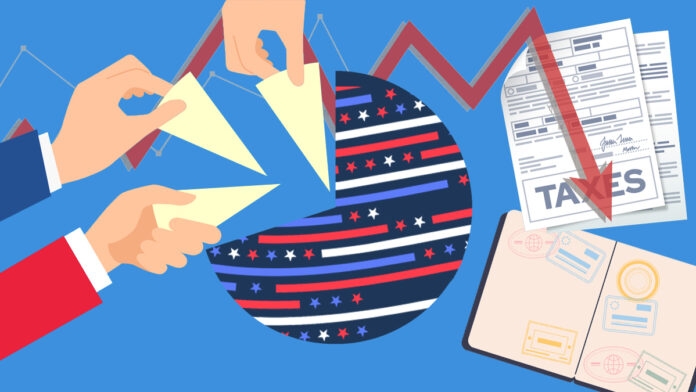
How Does Economic Policy Affect My Daily Life?
Economic policy can sound like something distant—crafted by politicians, debated by experts, and reported in dense news articles. But in reality, it quietly shapes nearly every part of your daily routine. From the price of groceries to the stability of your job, economic decisions made at national and even global levels ripple into your personal life in ways you may not always notice.
At its core, economic policy refers to government actions that influence a country’s economy. These include decisions about taxes, public spending, interest rates, trade, and regulations. While the terminology may seem abstract, the effects are anything but.
1. The Cost of Living
One of the most immediate ways economic policy affects you is through the cost of everyday goods and services. Inflation—when prices rise over time—is influenced by policies such as government spending and central bank decisions about interest rates.
If inflation is high, your money buys less. Groceries, fuel, rent, and utilities all become more expensive. Even if your salary stays the same, your real purchasing power declines. On the other hand, policies aimed at controlling inflation—like raising interest rates—can stabilize prices but may also slow economic growth, which brings its own challenges.
Taxes also play a role. Sales taxes increase the price of goods at checkout, while income taxes affect how much money you take home. Changes in tax policy can make daily life feel either tighter or more manageable, depending on whether your financial burden increases or decreases.
2. Employment and Wages
Economic policy directly influences the job market. Government spending on infrastructure, education, or public services can create jobs. Conversely, budget cuts can reduce employment opportunities in certain sectors.
Monetary policy—especially interest rates—also matters. Lower interest rates encourage businesses to borrow and invest, often leading to hiring and expansion. Higher rates can slow this down, making companies more cautious about growth and hiring.
Minimum wage laws, labor protections, and tax incentives for businesses all affect how much people earn and the conditions under which they work. If minimum wages rise, workers may see higher incomes, but businesses might respond by increasing prices or reducing staff. These trade-offs show how interconnected policy decisions are with everyday life.
3. Housing and Rent
Housing is one of the biggest expenses for most people, and it is heavily influenced by economic policy. Interest rates determine how expensive it is to borrow money for a mortgage. When rates are low, buying a home becomes more affordable; when they rise, monthly payments increase, often pushing people toward renting instead.
Government policies on housing supply—such as zoning laws, subsidies, or construction incentives—also affect availability and prices. A shortage of housing tends to drive up rents and home prices, while policies that encourage building can help stabilize or lower costs.
Rent control policies, where they exist, can protect tenants from sudden increases, but they may also discourage new construction, leading to long-term shortages. Again, the impact is complex but very real in everyday life.
4. Public Services and Quality of Life
Economic policy determines how much governments spend on public services like healthcare, education, transportation, and social programs. These services directly shape your quality of life.
If a government increases spending on healthcare, you might benefit from better facilities, shorter wait times, or lower out-of-pocket costs. Increased investment in education can improve schools, reduce tuition fees, or provide more opportunities for training and career development.
On the flip side, austerity measures—policies aimed at reducing government debt by cutting spending—can lead to reduced services. This might mean fewer public resources, higher costs for services, or reduced support for vulnerable populations.
5. Savings, Loans, and Financial Security
Interest rates don’t just affect businesses—they affect your personal finances too. If you have savings, higher interest rates can mean better returns. But if you have loans—such as credit cards, car loans, or mortgages—higher rates make borrowing more expensive.
Economic policy also influences financial stability. Regulations on banks and financial institutions are designed to prevent crises. When these systems work well, your savings are safer, and the economy is more stable. When they fail, the consequences can be severe, as seen in past financial crises where people lost jobs, homes, and savings.
Pension systems, retirement policies, and social security programs also fall under economic policy. These determine how secure you will be later in life and how much you need to save now.
6. Prices of Imported Goods
Global trade policies affect what you pay for products, especially those imported from other countries. Tariffs—taxes on imports—can make foreign goods more expensive. While this may protect domestic industries, it often leads to higher prices for consumers.
Trade agreements, on the other hand, can lower costs by reducing barriers between countries. This can make goods like electronics, clothing, and food more affordable. However, increased competition from imports can also impact local industries and jobs.
Even exchange rates—the value of your country’s currency relative to others—play a role. A weaker currency makes imports more expensive but can boost exports, affecting both prices and employment.
7. Transportation and Energy Costs
Fuel prices are another area where economic policy has a direct impact. Taxes on fuel, environmental regulations, and global energy policies all influence how much you pay at the pump.
Public transportation systems are also shaped by government spending. Investments in buses, trains, and infrastructure can make commuting cheaper and more efficient. Without such investment, transportation costs can rise, and options may become limited.
Energy policies—such as support for renewable energy—can affect electricity prices and long-term sustainability. While transitioning to cleaner energy may involve short-term costs, it can lead to long-term benefits like stable prices and reduced environmental impact.
8. Inequality and Opportunity
Economic policy plays a major role in shaping inequality. Progressive tax systems, where higher earners pay a larger percentage of their income, can redistribute wealth and fund public services. Social welfare programs provide support for those in need, helping reduce poverty and improve access to basic necessities.
On the other hand, policies that favor lower taxes and reduced regulation may encourage business growth but can also widen income gaps if not balanced carefully.
Access to opportunities—such as education, healthcare, and employment—is deeply tied to these policies. The extent to which people can improve their circumstances often depends on the economic environment shaped by government decisions.
9. Economic Stability and Uncertainty
Finally, economic policy influences the overall stability of the economy. Stable growth, low inflation, and predictable policies create an environment where people can plan for the future—whether that means buying a home, starting a business, or saving for retirement.
Uncertainty, however, can make people cautious. If policies change frequently or unpredictably, businesses may delay investments, and individuals may hesitate to spend or make long-term commitments.
Economic downturns, such as recessions, often result from a combination of policy decisions and external factors. During these times, job losses increase, incomes may fall, and financial stress becomes more common.
Conclusion
Economic policy is not just a distant, abstract concept—it is woven into the fabric of everyday life. It affects how much you earn, what you spend, the opportunities available to you, and the security you feel about the future.
While you may not always notice these influences directly, they are constantly shaping your experiences. Understanding how economic policy works can help you make more informed decisions, adapt to changes, and engage more thoughtfully with the issues that impact your life.
In the end, economic policy is about choices—how resources are allocated, who benefits, and what priorities are set. And those choices, made at the highest levels, ultimately find their way into the smallest details of your daily routine.
- Arts
- Business
- Computers
- Jogos
- Health
- Início
- Kids and Teens
- Money
- News
- Personal Development
- Recreation
- Regional
- Reference
- Science
- Shopping
- Society
- Sports
- Бизнес
- Деньги
- Дом
- Досуг
- Здоровье
- Игры
- Искусство
- Источники информации
- Компьютеры
- Личное развитие
- Наука
- Новости и СМИ
- Общество
- Покупки
- Спорт
- Страны и регионы
- World

 English
 Russian
 French
 Spanish
 Deutsch
 Turkish
 Dutch
Dutch
 Italiano
 Arabic
 Romaian
 Portuguese (Brazil)
 Greek
Greek