
What happens during an economic crisis?
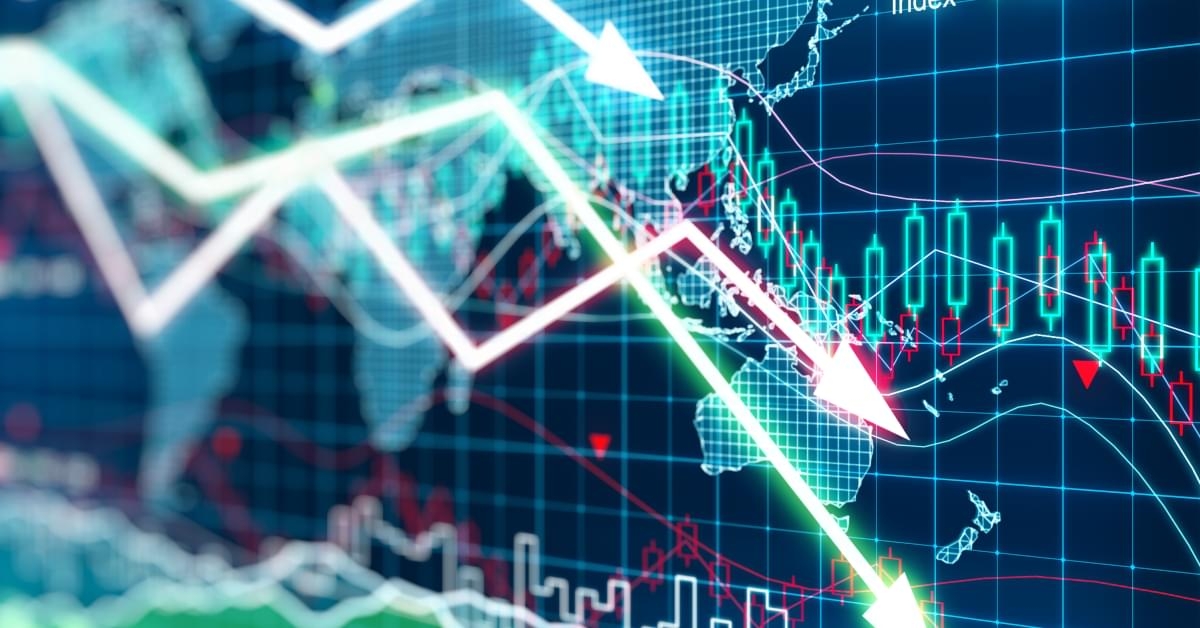
An economic crisis is one of those events that can feel both abstract and deeply personal at the same time. On the surface, it’s discussed in terms of GDP, inflation rates, or banking systems. But underneath those big concepts, it touches everyday life—jobs, savings, prices, and even people’s sense of security about the future. To understand what happens during an economic crisis, it helps to break it down into stages and look at how it spreads through different parts of the economy.
At its core, an economic crisis is a severe disruption in economic activity. It can be triggered by many things: a financial market collapse, a burst asset bubble, a banking failure, political instability, or even global events like pandemics or wars. While the causes vary, the consequences tend to follow recognizable patterns.
One of the earliest signs is instability in financial markets. Stock prices may fall sharply as investors lose confidence. Businesses that once looked profitable suddenly seem risky. Banks and lenders become cautious, tightening access to credit. This is critical because modern economies depend heavily on borrowing—companies borrow to expand, and individuals borrow to buy homes, cars, or fund education. When credit dries up, economic activity slows almost immediately.
As financial uncertainty spreads, businesses begin to react. Companies may delay investments, cancel expansion plans, or cut costs to prepare for harder times. Often, this means layoffs or hiring freezes. Unemployment starts to rise, and once people begin losing jobs, the effects ripple outward. Households reduce spending, focusing only on essentials. This drop in consumer demand further hurts businesses, creating a feedback loop: less spending leads to lower business revenues, which leads to more layoffs.
At the same time, asset values often decline. Housing prices may fall, stock portfolios shrink, and retirement savings lose value. This creates what economists call the “wealth effect.” When people feel poorer, even if their income hasn’t changed yet, they tend to spend less. That reduction in spending deepens the economic slowdown.
Banking systems can come under serious pressure during a crisis. If banks have made risky loans or invested in unstable assets, they may face losses. In extreme cases, this can lead to bank failures. When people fear their bank might collapse, they may rush to withdraw their money, causing a “bank run.” This can destabilize even otherwise healthy institutions, forcing governments or central banks to step in to prevent a wider collapse.
Governments play a crucial role during economic crises. They often respond with fiscal and monetary policies aimed at stabilizing the situation. Fiscal policy involves government spending and taxation—stimulus packages, unemployment benefits, or public works projects designed to support incomes and demand. Monetary policy, controlled by central banks, typically involves lowering interest rates or injecting liquidity into the financial system to encourage lending and investment.
However, these interventions are not always immediately effective. Economic crises often involve a loss of confidence, and rebuilding trust takes time. Businesses may remain cautious even when borrowing becomes cheaper. Consumers may continue saving rather than spending if they fear further job losses or instability.
Inflation or deflation can also emerge during a crisis, depending on the circumstances. In some cases, demand collapses so sharply that prices fall—a situation known as deflation. While falling prices might sound beneficial, they can actually worsen a crisis because consumers delay purchases, expecting prices to drop further. In other scenarios, especially if a crisis is triggered by supply disruptions, prices can rise rapidly, leading to inflation and reducing purchasing power.
International effects are another key aspect. In a globalized world, economies are interconnected. A crisis in one country can spread through trade, investment, and financial linkages. Exports may decline as foreign demand weakens, and currency values can fluctuate significantly. Countries heavily dependent on imports may face rising costs, while those reliant on exports may struggle with falling revenues.
Social consequences are often as significant as economic ones. Rising unemployment and financial stress can increase inequality and poverty. People may lose homes, struggle to pay for basic necessities, or face long-term setbacks in education and career development. Public services can come under strain as governments deal with lower tax revenues and higher demand for support.
Psychological effects should not be underestimated either. Economic crises can lead to widespread uncertainty and anxiety. People become more risk-averse, which can slow recovery. Trust in institutions—banks, governments, and markets—may erode, influencing behavior long after the crisis itself has passed.
Recovery from an economic crisis typically happens gradually. As conditions stabilize, businesses begin to invest again, hiring picks up, and consumer confidence slowly returns. Financial systems regain stability, and credit becomes more accessible. However, the pace of recovery can vary widely depending on the severity of the crisis and the effectiveness of policy responses.
In some cases, crises leave lasting structural changes. Entire industries may shrink or disappear, while new sectors emerge. For example, technological innovation can accelerate during or after a crisis as businesses look for more efficient ways to operate. Labor markets may shift, with workers needing to adapt to new skills or industries.
It’s also important to recognize that not all groups are affected equally. Lower-income households often bear the brunt of economic downturns because they have fewer financial buffers. Meanwhile, those with significant assets may recover more quickly once markets rebound. This uneven impact can shape long-term economic and social dynamics.
Despite their negative effects, economic crises can sometimes lead to reforms. Governments and institutions may introduce new regulations to prevent similar problems in the future. Financial systems may become more resilient, and policymakers may refine their approaches to managing economic shocks.
In the end, an economic crisis is not a single event but a complex process that unfolds over time. It begins with a disruption—financial, political, or external—and spreads through markets, businesses, and households. It affects employment, income, prices, and confidence, often reinforcing itself through feedback loops. While policy responses can mitigate the damage, recovery depends on restoring trust and rebuilding economic activity.
Understanding these dynamics helps make sense of what can otherwise feel like a chaotic and unpredictable period. It also highlights how interconnected the modern economy is—how a shock in one area can quickly influence many others. And perhaps most importantly, it shows that while economic crises can be severe, they are also temporary phases in a constantly evolving economic system.
- Arts
- Business
- Computers
- Spiele
- Health
- Startseite
- Kids and Teens
- Geld
- News
- Personal Development
- Recreation
- Regional
- Reference
- Science
- Shopping
- Society
- Sports
- Бизнес
- Деньги
- Дом
- Досуг
- Здоровье
- Игры
- Искусство
- Источники информации
- Компьютеры
- Личное развитие
- Наука
- Новости и СМИ
- Общество
- Покупки
- Спорт
- Страны и регионы
- World

 English
 Russian
 French
 Spanish
 Portuguese
 Turkish
 Dutch
Dutch
 Italiano
 Arabic
 Romaian
 Portuguese (Brazil)
 Greek
Greek