
What are the best speed reading techniques?
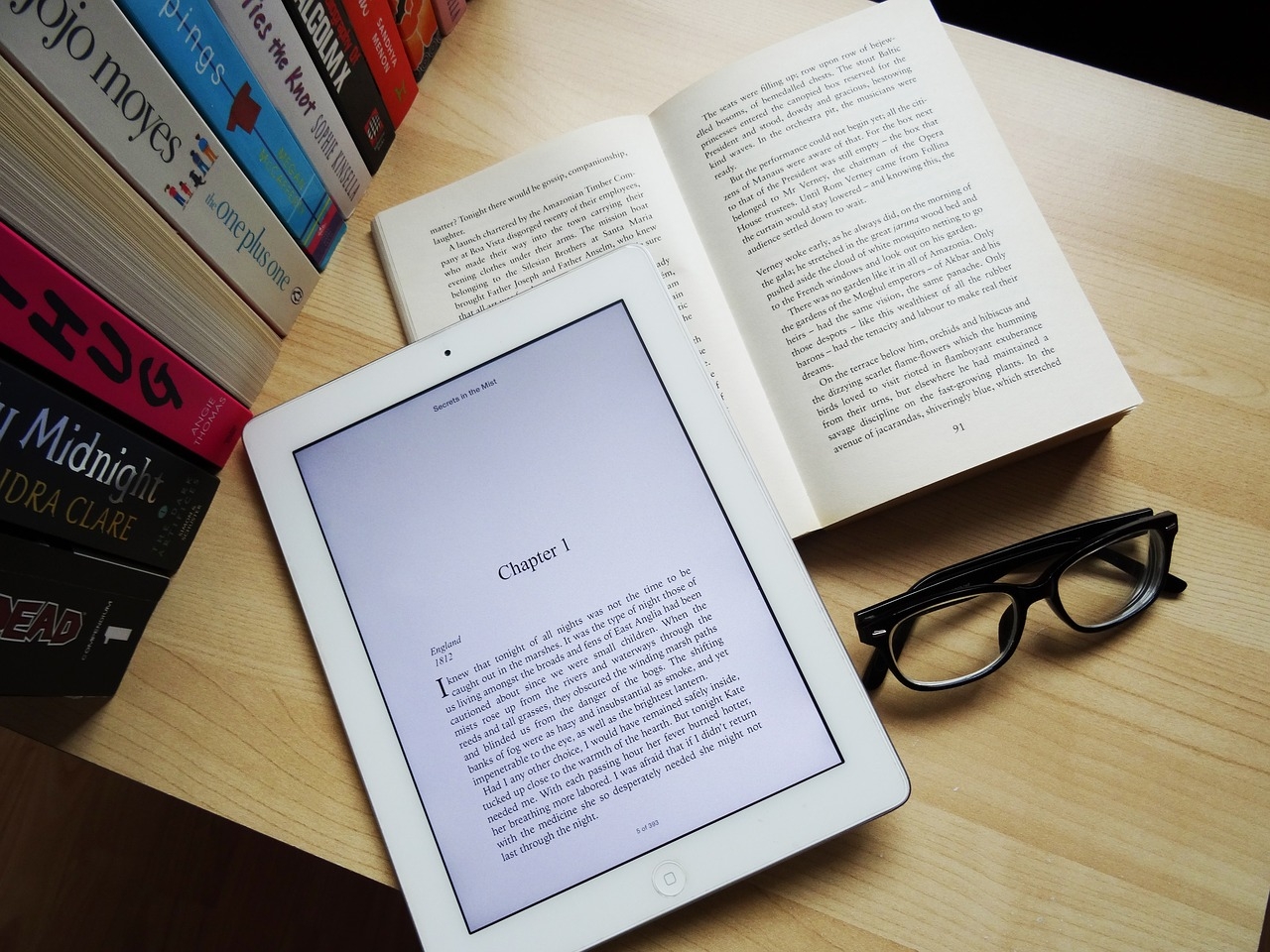
The "best" techniques are those that address the two primary limitations of human reading: physical eye movement and mental processing speed. By combining these methods, you can move from passive reading to active, high-speed information acquisition.
1. Visual Guiding (Meta Guiding)
This is the foundational habit of all proficient speed readers. It involves using a "pacer" to maintain a constant speed and prevent regression (the habit of your eyes skipping back to re-read words).
-
The Technique: Use your index finger, a pen, or a digital cursor to follow the text.
-
The Goal: Keep your eyes moving smoothly. If you don't understand a sentence perfectly, keep going—the context often clarifies it in the next paragraph.
2. The "Indentation" or "Margin" Method
Your peripheral vision is capable of picking up more information than you realize. Most readers waste time by looking at the very beginning and very end of every single line.
-
The Technique: Focus your eyes roughly 1.5 inches inside the left and right margins.
-
The Goal: By moving your eyes vertically down the "center" of the page rather than sweeping all the way across, you reduce the horizontal distance your eyes travel by up to 40%.
3. Word Chunking (Perceptual Expansion)
Instead of reading word-by-word (e.g., "The" ... "dog" ... "ran"), you train your brain to recognize groups of words in a single glance.
-
The Technique: Look at the center of a phrase and try to see 3–4 words at once.
-
The Goal: This moves the brain from serial processing (one by one) to parallel processing (multiple words simultaneously), similar to how you recognize a whole face rather than individual features.
4. Reducing Sub-Vocalization
Sub-vocalization is the "inner voice" that pronounces every word in your head. Since we speak at roughly 150 wpm, this habit acts as a speed ceiling.
-
The Technique: Listen to lyric-less music or consciously try to "see" the meaning of a word as an image rather than hearing the sound.
-
The Goal: To decouple the visual intake of information from the auditory processing of language.
5. The "Preview-Scan-Read" Framework
The most effective speed reading is actually Strategic Reading. You can't read fast if you don't know where you're going.
| Phase | Time | Focus |
| Preview | 1 Min | Table of contents, headings, and bolded terms. |
| Scan | 2 Mins | First and last sentences of paragraphs; identifying "data hubs." |
| Speed Read | Varies | Moving fast through familiar parts; slowing down for core arguments. |
6. RSVP (Rapid Serial Visual Presentation)
In the digital age, you can use software to eliminate eye movement entirely.
-
The Technique: Using tools like SwiftRead or Spreeder, words are flashed on a screen in a single location at a rate you define (e.g., 500 wpm).
-
The Goal: Since your eyes don't have to move, you eliminate 100% of the time spent on saccades and regressions.
Summary of Success
The best way to implement these is to start with The Pointer Method today. Once you stop re-reading, you will immediately feel a boost in your pace. From there, you can begin "chunking" words to break the sound barrier of your inner voice.
- Arts
- Business
- Computers
- Jeux
- Health
- Domicile
- Kids and Teens
- Argent
- News
- Personal Development
- Recreation
- Regional
- Reference
- Science
- Shopping
- Society
- Sports
- Бизнес
- Деньги
- Дом
- Досуг
- Здоровье
- Игры
- Искусство
- Источники информации
- Компьютеры
- Личное развитие
- Наука
- Новости и СМИ
- Общество
- Покупки
- Спорт
- Страны и регионы
- World

 English
 Russian
 Spanish
 Portuguese
 Deutsch
 Turkish
 Dutch
Dutch
 Italiano
 Arabic
 Romaian
 Portuguese (Brazil)
 Greek
Greek