
Why Are B2B Sales Cycles Longer?
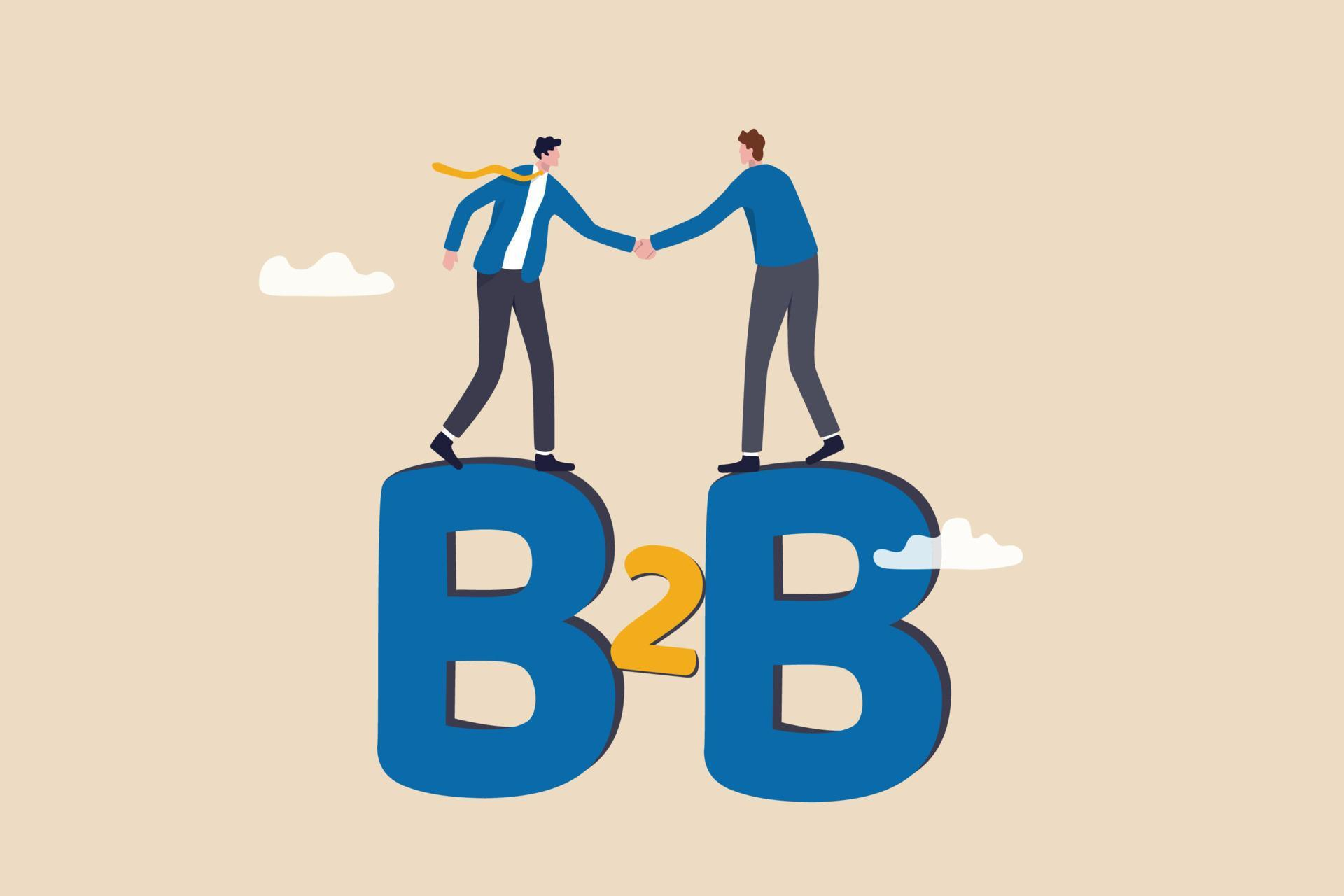
Consumer purchases can happen in seconds.
A person sees a product.
Feels emotional alignment.
Clicks “buy now.”
Decision complete.
B2B sales rarely work that way.
Instead, they stretch.
Weeks become months.
Meetings multiply.
Stakeholders appear unexpectedly.
Procurement enters the conversation like an administrative thunderstorm.
Momentum slows. Then stalls. Then mysteriously resumes.
To inexperienced founders, this feels irrational.
If the solution clearly solves the problem, why does the process move so slowly?
Because B2B buying is not simply purchasing.
It is organizational risk management disguised as decision-making.
That distinction explains almost everything.
I learned this during a software consulting deal that looked completely finished. The prospect verbally confirmed alignment. Budget existed. Internal enthusiasm seemed strong. We assumed the contract would arrive within days.
Three months passed.
Not because the buyer disliked the solution.
Because:
- legal needed revisions,
- finance questioned implementation costs,
- department leaders debated priorities,
- and executive approval shifted twice internally.
The deal eventually closed.
But the experience permanently changed how I viewed B2B sales cycles.
Most delays are not resistance to the product itself.
They are resistance to organizational uncertainty.
Businesses Fear Consequences More Than Consumers Do
This is the core difference.
Consumer purchases usually affect individuals.
B2B purchases affect systems:
- teams,
- workflows,
- budgets,
- internal politics,
- operational continuity.
That raises the emotional stakes dramatically.
A bad personal purchase creates inconvenience.
A bad business purchase can create:
- lost revenue,
- implementation chaos,
- executive embarrassment,
- damaged careers,
- and internal blame cycles lasting months.
Which means businesses move carefully because the cost of failure expands organizationally.
Even when buyers feel excited privately, caution remains professionally necessary.
More Stakeholders Mean More Friction
One person rarely controls a serious B2B purchase fully.
Instead, decisions pass through multiple layers:
- department heads,
- finance teams,
- procurement,
- legal,
- operations,
- executives.
Each stakeholder evaluates the decision through different priorities.
Marketing wants growth.
Finance wants predictability.
IT wants security.
Operations wants minimal disruption.
And those incentives do not always align neatly.
This creates one of the most misunderstood realities in B2B sales:
the product is often not competing against another product.
It is competing against organizational complexity.
Internal Alignment Takes Longer Than External Persuasion
Many deals slow down after the sales call because internal conversations begin.
This phase remains mostly invisible to the seller:
- side discussions,
- budget debates,
- implementation concerns,
- competing initiatives,
- political hesitation.
One executive may love the solution while another quietly worries about onboarding burden.
A manager may support the purchase publicly while privately fearing additional accountability.
These invisible tensions extend timelines constantly.
One lesson changed how I approach enterprise sales:
never assume enthusiasm equals alignment.
They are completely different things.
B2B Buyers Need Emotional Cover
This concept rarely gets discussed openly enough.
Business buyers often seek “decision protection.”
Meaning:
they want evidence supporting the purchase in case results disappoint later.
That’s why B2B buyers obsess over:
- case studies,
- recognizable clients,
- implementation processes,
- references,
- social proof.
They are not merely evaluating competence.
They are gathering justification.
If the project struggles later, they need to demonstrate:
“This was a reasonable decision based on available information.”
The larger the contract value, the stronger this psychological behavior becomes.
Procurement Extends Everything
Procurement teams exist to reduce financial and operational risk.
Naturally, this slows decisions.
From the seller’s perspective, procurement often feels frustratingly procedural:
- contract revisions,
- vendor assessments,
- compliance reviews,
- pricing scrutiny.
But procurement departments are optimizing for organizational protection, not sales velocity.
Understanding this changes expectations dramatically.
Aggressive pressure tactics during procurement usually backfire because they increase perceived risk rather than reducing it.
Timing Misalignment Quietly Kills Momentum
Businesses operate inside constantly shifting priorities:
- quarterly goals,
- budget cycles,
- staffing changes,
- leadership transitions,
- economic pressure.
Which means even genuinely interested buyers may delay action because the organizational timing feels unstable.
This creates one of the most painful experiences in B2B sales:
a deal that is directionally positive but operationally paused indefinitely.
I once spent months nurturing a promising client conversation that repeatedly stalled despite strong interest.
Eventually the buyer admitted:
“We still want this. We just don’t have internal bandwidth right now.”
That sentence taught me something important:
lack of urgency does not always mean lack of belief.
Sometimes organizations simply cannot absorb another operational change immediately.
Trust Takes Longer When Stakes Increase
Consumers buy impulsively more easily because consequences remain contained.
Businesses move slower because trust requirements expand proportionally with:
- deal size,
- implementation complexity,
- and organizational exposure.
A $20 software subscription requires minimal trust.
A six-figure operational partnership requires:
- strategic trust,
- communication trust,
- execution trust,
- and long-term reliability confidence.
That depth of trust rarely forms instantly.
Here’s Why B2B Sales Cycles Stretch
| Factor | Why It Slows Deals | Emotional Impact |
|---|---|---|
| Multiple stakeholders | Competing priorities | Internal friction |
| Procurement reviews | Risk reduction processes | Delayed approvals |
| Budget cycles | Financial planning constraints | Timing instability |
| Implementation concerns | Fear of disruption | Operational anxiety |
| Legal/compliance reviews | Liability protection | Procedural delays |
| Internal politics | Reputation management | Decision hesitation |
| Large financial stakes | Greater consequence exposure | Slower trust formation |
Notice the pattern:
almost every delay mechanism originates from risk management.
B2B Decisions Are Rarely Purely Rational
This surprises people who imagine enterprise buying as entirely analytical.
But emotions shape B2B decisions constantly:
- fear of failure,
- career protection,
- status concerns,
- team pressure,
- uncertainty avoidance.
Executives may discuss ROI publicly while privately evaluating:
“Will this decision create problems for me later?”
That emotional undercurrent influences timelines heavily.
Which means successful B2B sellers reduce anxiety as much as they communicate value.
Complex Products Create Longer Evaluation Windows
Simple products close faster because implementation feels contained.
Complex services or enterprise systems require buyers to evaluate:
- onboarding,
- migration risk,
- employee adoption,
- integration challenges,
- long-term support.
The decision expands beyond:
“Does this work?”
into:
“What operational consequences emerge after we say yes?”
That broader evaluation naturally lengthens cycles.
Especially in organizations already overwhelmed by software fatigue and operational overload.
Buyers Need Consensus More Than Conviction
This is another important distinction.
One enthusiastic buyer rarely closes enterprise deals alone.
Consensus matters more than individual excitement because organizational adoption depends on multiple departments cooperating afterward.
That means sellers often spend enormous amounts of time supporting:
- internal presentations,
- stakeholder discussions,
- executive summaries,
- and alignment conversations.
The sale continues long after formal meetings end.
Follow-Up Complexity Increases Over Time
Consumer buying often ends immediately after purchase.
B2B buying generates ongoing communication layers:
- revised scopes,
- stakeholder onboarding,
- procurement updates,
- legal clarifications,
- implementation planning.
The process itself becomes operationally dense.
Weak sellers interpret this complexity emotionally:
“They’re losing interest.”
Strong sellers interpret it structurally:
“The organization is processing risk.”
That mindset difference matters enormously.
Modern Buyers Are More Skeptical Than Ever
Businesses have experienced years of:
- overpromised software,
- failed implementations,
- bloated vendor contracts,
- disappointing agencies,
- and operational disruption disguised as transformation.
As a result, skepticism increased significantly.
Buyers now demand:
- clearer proof,
- stronger implementation detail,
- more realistic expectations,
- and operational transparency.
This extends timelines—but also rewards genuinely competent providers more effectively.
Conclusion: B2B Sales Cycles Are Really Organizational Decision Cycles
Most people frame long B2B sales cycles as a sales problem.
They are usually coordination problems.
The buyer is not simply deciding whether the product sounds useful.
They are evaluating:
- operational consequences,
- internal politics,
- implementation burden,
- financial exposure,
- and personal accountability.
That complexity naturally slows movement.
And ironically, the companies that close deals most effectively are rarely the ones trying to accelerate decisions aggressively.
Usually they are the ones reducing uncertainty consistently:
- clearer onboarding,
- calmer communication,
- stronger stakeholder alignment,
- more believable expectations,
- and operational credibility.
Because B2B sales ultimately revolve around one central emotional question:
“Will this decision create stability—or chaos?”
The seller who answers that question convincingly gains enormous advantage.
Not through pressure.
Not through persuasion theater.
Not through manipulative urgency.
Through trust structured carefully enough that organizations begin feeling safe moving forward.
That’s why B2B sales cycles take longer.
And honestly?
In many cases, they probably should.
- Arts
- Business
- Computers
- Jogos
- Health
- Início
- Kids and Teens
- Money
- News
- Personal Development
- Recreation
- Regional
- Reference
- Science
- Shopping
- Society
- Sports
- Бизнес
- Деньги
- Дом
- Досуг
- Здоровье
- Игры
- Искусство
- Источники информации
- Компьютеры
- Личное развитие
- Наука
- Новости и СМИ
- Общество
- Покупки
- Спорт
- Страны и регионы
- World

 English
 Russian
 French
 Spanish
 Portuguese
 Deutsch
 Turkish
 Dutch
Dutch
 Italiano
 Arabic
 Romaian
 Greek
Greek
