
How to build a workout habit?
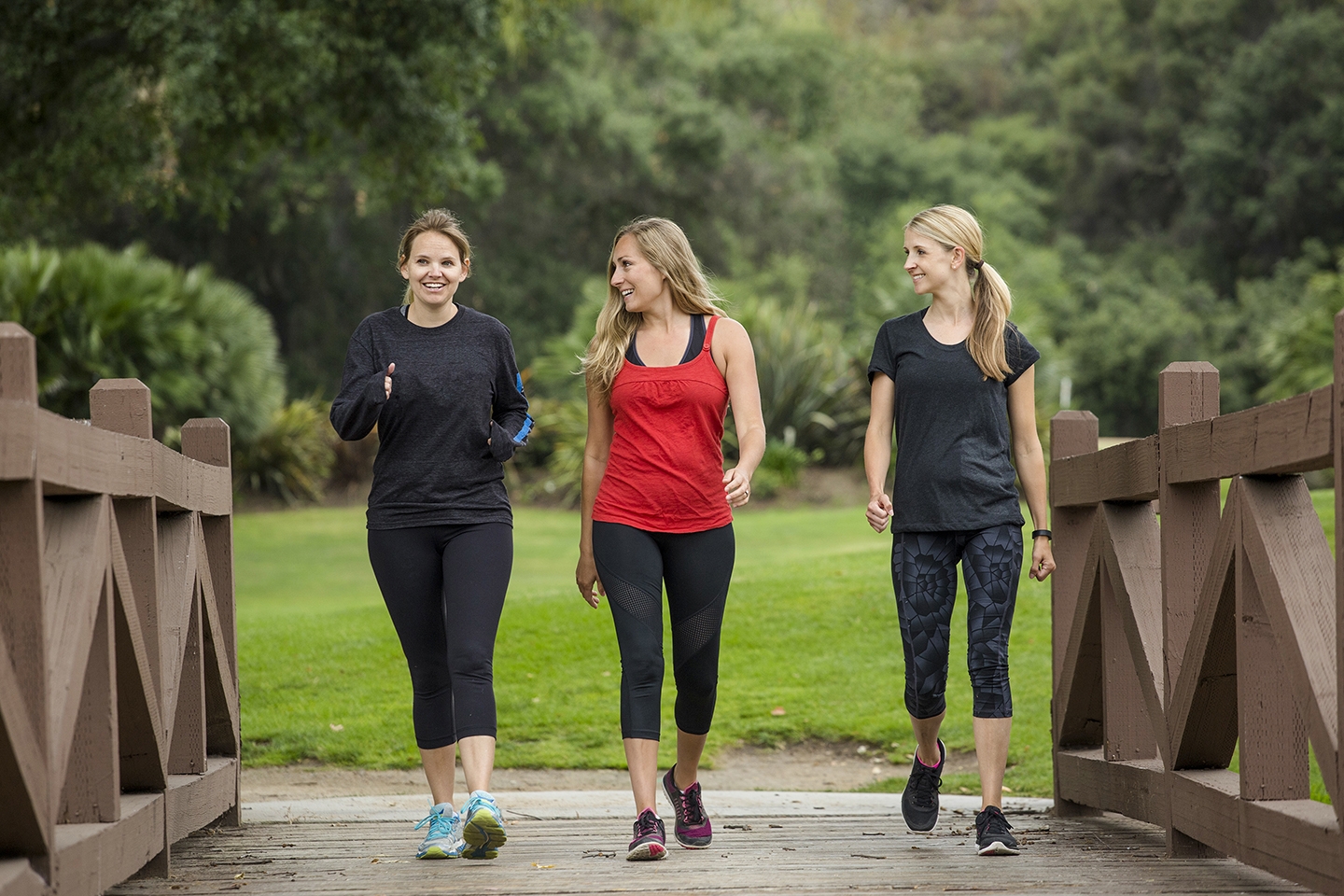
How to Build a Workout Habit?
Most people fail to build a workout habit for a surprisingly simple reason:
they treat exercise like an event instead of a system.
The pattern usually looks familiar:
-
sudden motivation
-
aggressive workout plan
-
intense first week
-
rising fatigue
-
inconsistency
-
complete stop
Then comes the conclusion:
“I just don’t have discipline.”
But discipline is often not the real issue.
The issue is that the behavior was never designed to survive ordinary days—days with low energy, stress, distractions, poor sleep, or limited motivation.
A workout habit forms when exercise becomes easy enough to repeat consistently, not when it feels maximally productive.
That distinction changes everything.
The Biggest Mistake: Starting Too Intensely
Most workout habits fail because people optimize for results before optimizing for consistency.
They begin with:
-
long workouts
-
unrealistic schedules
-
extreme routines
-
unsustainable intensity
The brain quickly associates exercise with:
-
exhaustion
-
inconvenience
-
disruption
-
recovery cost
\text{High Initial Difficulty} = \text{Lower Long-Term Consistency}
The goal early on should not be maximizing performance.
It should be minimizing resistance.
Because consistency creates the foundation that intensity can later build upon.
Build the Habit Before Building the Physique
This is where many people become impatient.
They focus entirely on outcomes:
-
weight loss
-
muscle gain
-
appearance changes
-
athletic performance
But visible results are delayed.
Habits are built through repetition long before external progress becomes noticeable.
So the early objective is not transformation.
It is identity stabilization:
“I am someone who works out consistently.”
That identity becomes more important than any single workout.
Make the Starting Requirement Small
The fastest way to weaken a workout habit is making the barrier too high.
Instead of:
-
one-hour sessions
-
complex programs
-
daily intensity
start with:
-
five minutes
-
one exercise
-
putting on workout clothes
-
walking into the gym
\text{Lower Starting Friction} = \text{Higher Workout Adherence}
Small actions reduce psychological resistance.
And once movement begins, continuation becomes easier.
The hardest part is usually not exercising.
It is starting.
Use Stable Cues to Trigger Workouts
Habits depend heavily on cue consistency.
Workout habits become stronger when tied to predictable conditions:
-
same time
-
same place
-
same pre-workout sequence
-
same environmental trigger
Examples:
-
after work → gym
-
after waking up → walk
-
after coffee → workout session
\text{Consistent Cue} + \text{Repeated Exercise} = \text{Workout Automaticity}
The brain learns through repetition in stable contexts.
Without stable cues, exercise remains dependent on motivation.
Environment Determines Workout Consistency
A surprising amount of exercise consistency depends on setup friction.
If every workout requires:
-
searching for clothes
-
preparing equipment
-
deciding what to do
-
clearing space
resistance increases dramatically.
Good systems reduce activation energy:
-
clothes prepared beforehand
-
fixed workout plan
-
accessible equipment
-
pre-decided exercises
The easier it is to begin, the more likely repetition becomes.
Remove the Need to “Feel Motivated”
One of the most destructive beliefs around fitness is:
“I need to feel motivated to work out.”
Motivation is unstable.
Habits require stability.
If workouts depend on emotional readiness, consistency collapses during:
-
stress
-
fatigue
-
low mood
-
busy schedules
A workout habit becomes durable when exercise happens regardless of temporary emotional state.
\text{Routine-Based Action} > \text{Motivation-Based Action}
The behavior should follow the schedule—not the feeling.
Reduce Decision Fatigue
Every extra decision creates friction:
-
What workout should I do?
-
How long should I train?
-
Which exercises matter most?
Too much flexibility weakens consistency.
Predefined systems work better:
-
fixed days
-
structured routines
-
predetermined exercises
-
clear starting actions
The fewer decisions required, the easier execution becomes.
Focus on Showing Up First
People often think consistency means:
-
perfect workout quality
-
maximum effort
-
ideal performance every session
But early habit formation depends more on attendance than optimization.
Showing up matters disproportionately because it reinforces identity:
-
“I don’t skip workouts”
-
“This is part of my routine”
-
“Exercise is normal for me”
\text{Repeated Attendance} = \text{Habit Reinforcement}
A short workout still strengthens the habit loop.
Skipping repeatedly weakens it.
Make Workouts Enjoyable Enough to Repeat
People underestimate how much enjoyment affects adherence.
A workout habit built entirely on suffering rarely lasts.
This does not mean exercise must feel easy.
It means the experience should contain:
-
satisfaction
-
progress
-
competence
-
relief
-
movement enjoyment
The best workout is not necessarily the “optimal” one.
It is the one you can repeat consistently for years.
Use Habit Stacking
Workout habits become easier when attached to existing routines.
Examples:
-
after brushing teeth → morning mobility
-
after work → gym session
-
after lunch → short walk
\text{Existing Routine} + \text{Exercise} = \text{Stronger Habit Trigger}
This reduces reliance on memory and increases automaticity.
The previous action becomes the cue.
Expect Low-Energy Days
A major reason workout habits fail is unrealistic expectations.
People assume consistency means:
-
maximum effort every session
-
constant motivation
-
uninterrupted progress
Real consistency includes imperfect days.
Sometimes the goal is not:
-
personal records
-
intense training
-
peak performance
Sometimes the goal is simply maintaining the loop.
\text{Maintained Repetition} > \text{Occasional Intensity}
A light workout still preserves habit continuity.
And continuity matters more than isolated effort spikes.
Identity Is More Powerful Than Motivation
Long-term workout habits often shift from:
“I’m trying to exercise”
to:
“I’m someone who trains.”
That identity shift changes behavior significantly.
Exercise becomes:
-
expected
-
normal
-
integrated into daily structure
Instead of relying on constant persuasion, the habit becomes part of self-image.
And behaviors aligned with identity are easier to sustain.
A Personal Observation on Workout Consistency
At one point, I approached workouts aggressively.
The logic seemed reasonable:
-
train harder
-
push further
-
maximize results quickly
But the pattern became predictable:
-
intense effort
-
exhaustion
-
inconsistency
-
restart cycle
What finally stabilized the habit was reducing the scale:
-
shorter sessions
-
easier starting requirements
-
consistent timing
-
lower psychological resistance
Once exercise stopped feeling like an extreme effort and became a normal routine, consistency improved dramatically.
The habit strengthened because it became sustainable—not because it became harder.
The Structural Formula of a Workout Habit
At a systems level, workout habits strengthen through:
-
low starting friction
-
stable cues
-
predictable timing
-
reduced decision-making
-
enjoyable repetition
-
manageable intensity
-
identity reinforcement
\text{Low Friction} + \text{Repeated Exercise} + \text{Stable Cue} = \text{Workout Habit Formation}
When these conditions exist consistently, exercise stops relying entirely on willpower.
It becomes part of routine structure.
Conclusion: Workout Habits Are Built Through Sustainability, Not Extremes
Most workout habits fail because people prioritize intensity over repeatability.
But habits are not formed through occasional effort explosions.
They are formed through sustainable repetition.
The goal is not:
-
perfect workouts
-
maximum motivation
-
constant intensity
The goal is creating a structure where exercise becomes:
-
easy to start
-
predictable to repeat
-
integrated into normal life
Because once the workout no longer feels like a major negotiation every day, consistency stops depending on force.
And when consistency stabilizes, results begin accumulating naturally over time.
- Arts
- Business
- Computers
- Jogos
- Health
- Início
- Kids and Teens
- Money
- News
- Personal Development
- Recreation
- Regional
- Reference
- Science
- Shopping
- Society
- Sports
- Бизнес
- Деньги
- Дом
- Досуг
- Здоровье
- Игры
- Искусство
- Источники информации
- Компьютеры
- Личное развитие
- Наука
- Новости и СМИ
- Общество
- Покупки
- Спорт
- Страны и регионы
- World

 English
 Russian
 French
 Spanish
 Portuguese
 Deutsch
 Turkish
 Dutch
Dutch
 Italiano
 Arabic
 Romaian
 Greek
Greek
