
What Makes Customers Trust a Brand?
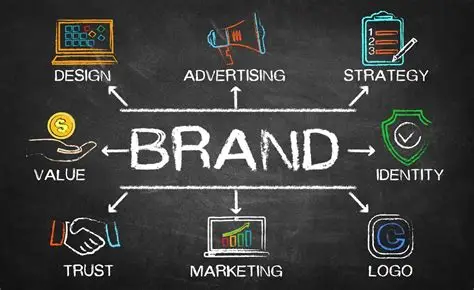
A customer will hand a company something oddly intimate before they hand over money.
Belief.
Not blind belief, necessarily. Not irrational devotion assembled overnight like a cult documentary waiting to happen. But a quieter calculation. A subconscious decision that says: I think this brand will do what it claims without making my life worse in the process.
That decision happens fast.
Sometimes within seconds.
A website loads awkwardly. Trust drops.
An email sounds robotic. Trust weakens.
A product arrives exactly as promised, packaged thoughtfully, with no unpleasant surprises lurking behind the checkout experience like hidden administrative landmines. Trust grows.
Brand trust is often discussed as though it emerges from giant moments — sweeping campaigns, emotional advertisements, public statements crafted by legal teams trying desperately to sound human.
Usually it forms somewhere smaller.
Repeated consistency.
Tiny fulfilled promises.
Predictable experiences.
Competence without drama.
Consumers do not trust brands because brands insist they should.
They trust brands because experience slowly removes uncertainty.
That distinction matters more than most companies realize.
Trust Is Really About Risk Reduction
At its core, consumer trust is a survival mechanism.
People are constantly evaluating risk.
Will this product disappoint me?
Will customer service vanish the moment something breaks?
Will I regret spending money here?
Can I believe what this company is telling me?
Trust exists because consumers are trying to avoid negative outcomes with minimal cognitive effort.
That’s why trust influences everything from conversion rates to customer loyalty. A trusted brand shortens decision-making because consumers stop feeling the need to investigate every purchase like forensic accountants.
The brain relaxes.
And relaxed consumers buy faster.
The Core Elements That Build Brand Trust
Trust sounds abstract until you break it apart operationally.
Then patterns emerge very quickly.
| Trust Factor | Why Consumers Care | Resulting Consumer Behavior |
|---|---|---|
| Consistency | Predictability reduces anxiety | Repeat purchases increase |
| Transparency | Honesty lowers skepticism | Consumers feel safer |
| Product Quality | Reliability confirms promises | Trust compounds over time |
| Customer Reviews | Social validation reduces uncertainty | Conversions improve |
| Responsive Support | Problems feel solvable | Loyalty strengthens |
| Clear Policies | Consumers understand risks | Hesitation decreases |
| Authentic Branding | Messaging feels believable | Emotional connection deepens |
| Security & Privacy | Personal data feels protected | Checkout confidence rises |
| Word-of-Mouth Reputation | Collective approval influences trust | New customers convert faster |
| Emotional Reliability | Brand experience feels stable | Customers return instinctively |
Notice something important.
Most trust-building mechanisms are not glamorous.
They are operational.
Trust is often built quietly and destroyed loudly.
Consumers Trust Consistency More Than Perfection
Perfection sounds appealing in theory.
Consumers actually prefer predictability.
A consistently good experience builds stronger trust than occasional brilliance interrupted by chaos.
Think about the companies people rely on repeatedly. Often they are not exciting. They are dependable.
Amazon built enormous consumer trust partly because customers understand what to expect:
- Fast delivery
- Familiar checkout
- Predictable returns
- Functional customer support
The experience feels stable.
Humans gravitate toward stability because uncertainty is mentally exhausting.
I learned this years ago while consulting for a subscription-based wellness company struggling with customer retention. Leadership assumed the issue involved pricing or advertising inefficiency.
The real problem was inconsistency.
Shipping times fluctuated constantly. Email communication felt erratic. Packaging changed randomly between orders. Nothing catastrophic individually — but together, the instability created subtle distrust.
Consumers stopped feeling confident.
And once confidence erodes, loyalty dissolves surprisingly fast.
The lesson stayed with me because it clarified something uncomfortable: trust rarely collapses from one massive betrayal alone. More often, it deteriorates through accumulated unpredictability.
Transparency Has Become Commercially Valuable
Consumers are increasingly skeptical.
Not cynical exactly. Just alert.
They recognize exaggerated marketing claims faster now. They notice manipulated urgency tactics. They understand polished branding can conceal mediocre experiences.
Which means transparency has become economically useful.
Clear Communication Builds Credibility
Consumers trust brands explaining:
- Shipping timelines honestly
- Pricing clearly
- Return policies transparently
- Product limitations realistically
Oddly enough, acknowledging imperfections often increases trust more than pretending perfection exists.
A company admitting, “Shipping may take slightly longer during peak demand,” sounds human.
A company promising flawless experiences constantly sounds rehearsed.
Consumers detect rehearsed language instinctively.
Authenticity Is Difficult to Fake
Many brands attempt “authentic” communication while sounding suspiciously like committee-approved LinkedIn captions.
Consumers notice.
Real authenticity usually feels less polished.
More specific.
More human.
Sometimes slightly awkward.
That imperfection increases believability because real people are imperfect communicators.
Social Proof Quietly Governs Consumer Confidence
Humans trust other humans more than institutions.
Always have.
Consumer reviews, testimonials, influencer recommendations, and user-generated content matter because they function as borrowed trust.
A stranger explaining why a product solved a problem feels emotionally safer than a polished advertisement insisting the same thing.
Reviews Reduce Psychological Risk
Consumers interpret reviews as evidence.
Not perfect evidence. But evidence nonetheless.
Thousands of positive reviews signal safety.
Even negative reviews can increase credibility if they appear balanced and realistic.
Curiously, products with exclusively glowing reviews sometimes trigger suspicion because consumers know reality rarely operates with such suspicious perfection.
Word-of-Mouth Still Dominates
People trust recommendations from friends disproportionately.
A single enthusiastic recommendation from someone familiar often outweighs extensive advertising exposure.
Because trust transfers socially.
And transferred trust converts extremely efficiently.
Competence Builds More Trust Than Branding Alone
Beautiful branding helps initially.
Competence sustains trust long-term.
Consumers eventually evaluate whether brands consistently fulfill promises.
Does the product work?
Does support respond quickly?
Does delivery happen on time?
Does the company resolve problems fairly?
Operational reliability matters because consumers remember friction intensely.
Late shipments.
Confusing refunds.
Ignored emails.
Broken products.
Trust fractures quickly when competence disappears.
And rebuilding it becomes extraordinarily difficult afterward.
Emotional Reliability Matters More Than Businesses Think
Consumers form emotional relationships with brands whether companies intentionally cultivate them or not.
Not romantic relationships obviously. More psychological familiarity.
People trust brands making them feel:
- Understood
- Safe
- Respected
- Competent
- Relaxed
That emotional layer influences loyalty heavily.
Familiar Brands Reduce Decision Fatigue
Consumers repeatedly return to trusted brands partly because decision-making consumes energy.
Choosing unfamiliar companies requires investigation.
Trusted brands remove that cognitive burden.
The brain prefers shortcuts.
Trust functions as a shortcut.
Emotional Stability Creates Attachment
Brands that feel emotionally predictable become psychologically comforting.
This explains why consumers remain loyal even when competitors offer slightly better pricing or features.
Familiarity itself carries value.
Customer Experience Is the Real Trust Infrastructure
Many companies treat customer experience as a support function.
Consumers experience it as evidence of brand character.
A smooth checkout process communicates competence.
Fast support responses communicate respect.
Transparent refunds communicate fairness.
These interactions shape trust more powerfully than many advertising campaigns ever will.
The Smallest Details Influence Trust
Consumers constantly interpret subtle signals:
- Website speed
- Packaging quality
- Email tone
- Navigation clarity
- Billing transparency
- Mobile usability
Tiny frictions create disproportionate doubt.
A confusing checkout page may subconsciously trigger concerns unrelated to checkout itself.
“If this feels sloppy,” consumers think, “what else might be sloppy?”
Trust operates holistically.
Brand Values Influence Modern Consumer Loyalty
Increasingly, consumers evaluate brands morally as well as functionally.
Not everyone. Not equally. But enough to matter commercially.
People notice:
- Sustainability claims
- Labor practices
- Diversity representation
- Corporate behavior
- Public communication
This does not mean consumers expect perfection. Most understand large companies are complicated institutions.
But glaring contradictions damage trust quickly.
Especially when branding and behavior conflict visibly.
Consumers Punish Perceived Hypocrisy
A brand promoting ethical values while behaving exploitatively creates emotional whiplash.
And emotional whiplash destroys credibility.
Consumers tolerate mistakes more easily than perceived dishonesty.
That distinction matters enormously.
Technology Changed Trust Expectations
Digital commerce accelerated the importance of trust because consumers interact with brands remotely now.
No physical storefront reassurance.
No face-to-face interaction.
Trust must be communicated digitally.
Which explains the rise of:
- Secure payment systems
- Verified reviews
- Detailed product photography
- Transparent tracking information
- Personalized communication
Consumers expect reassurance constantly throughout online experiences.
Privacy Became a Trust Issue
Consumers increasingly understand their data holds value.
Which means brands handling personal information carelessly create immediate distrust.
People want personalization.
But not surveillance disguised as personalization.
That line grows thinner every year.
The Strange Power of Brand Familiarity
Repeated exposure builds trust almost unfairly.
Psychologists call this the mere-exposure effect. Familiar things feel safer simply because they are familiar.
Advertising benefits enormously from this phenomenon.
Consumers claim advertisements rarely influence them.
Then instinctively choose recognizable brands during uncertain purchasing decisions.
Familiarity reduces perceived risk.
And reduced risk increases purchasing confidence.
Human behavior remains wonderfully irrational that way.
The Future of Brand Trust
Artificial intelligence will complicate consumer trust significantly.
Brands will automate communication more aggressively. Personalized experiences will become increasingly predictive. Customer interactions may feel smoother technically while becoming emotionally stranger.
Consumers will likely grow even more sensitive to sincerity.
Already people detect overly optimized messaging faster. They recognize artificial urgency. Manufactured relatability. Corporate attempts to simulate intimacy through algorithmic personalization.
Which creates an interesting paradox.
As technology improves, human credibility becomes more commercially valuable.
Consumers will continue rewarding brands that feel genuinely reliable rather than merely strategically persuasive.
Final Thought: Trust Is Earned Through Repetition, Not Performance
Many brands approach trust as a messaging challenge.
It is not.
Trust is behavioral.
Consumers trust brands that repeatedly demonstrate reliability under ordinary conditions. Not just during polished campaigns or carefully scripted moments designed for social media applause.
A trusted brand fulfills expectations consistently.
Communicates honestly.
Resolves problems fairly.
Respects customer attention.
Delivers what it promises without unnecessary friction or manipulation.
That sounds almost boring compared to modern marketing theatrics.
But trust itself is surprisingly untheatrical.
It accumulates slowly.
Quietly.
Interaction by interaction.
And once earned, it becomes one of the few competitive advantages consumers genuinely care about.
Because products attract customers.
Price influences them.
Advertising reaches them.
But trust?
Trust is what makes people come back without needing to be convinced all over again.
- Arts
- Business
- Computers
- Giochi
- Health
- Home
- Kids and Teens
- Money
- News
- Personal Development
- Recreation
- Regional
- Reference
- Science
- Shopping
- Society
- Sports
- Бизнес
- Деньги
- Дом
- Досуг
- Здоровье
- Игры
- Искусство
- Источники информации
- Компьютеры
- Личное развитие
- Наука
- Новости и СМИ
- Общество
- Покупки
- Спорт
- Страны и регионы
- World

 English
 Russian
 French
 Spanish
 Portuguese
 Deutsch
 Turkish
 Dutch
Dutch
 Arabic
 Romaian
 Portuguese (Brazil)
 Greek
Greek
