
How Do Emotions Affect Buying Behavior?
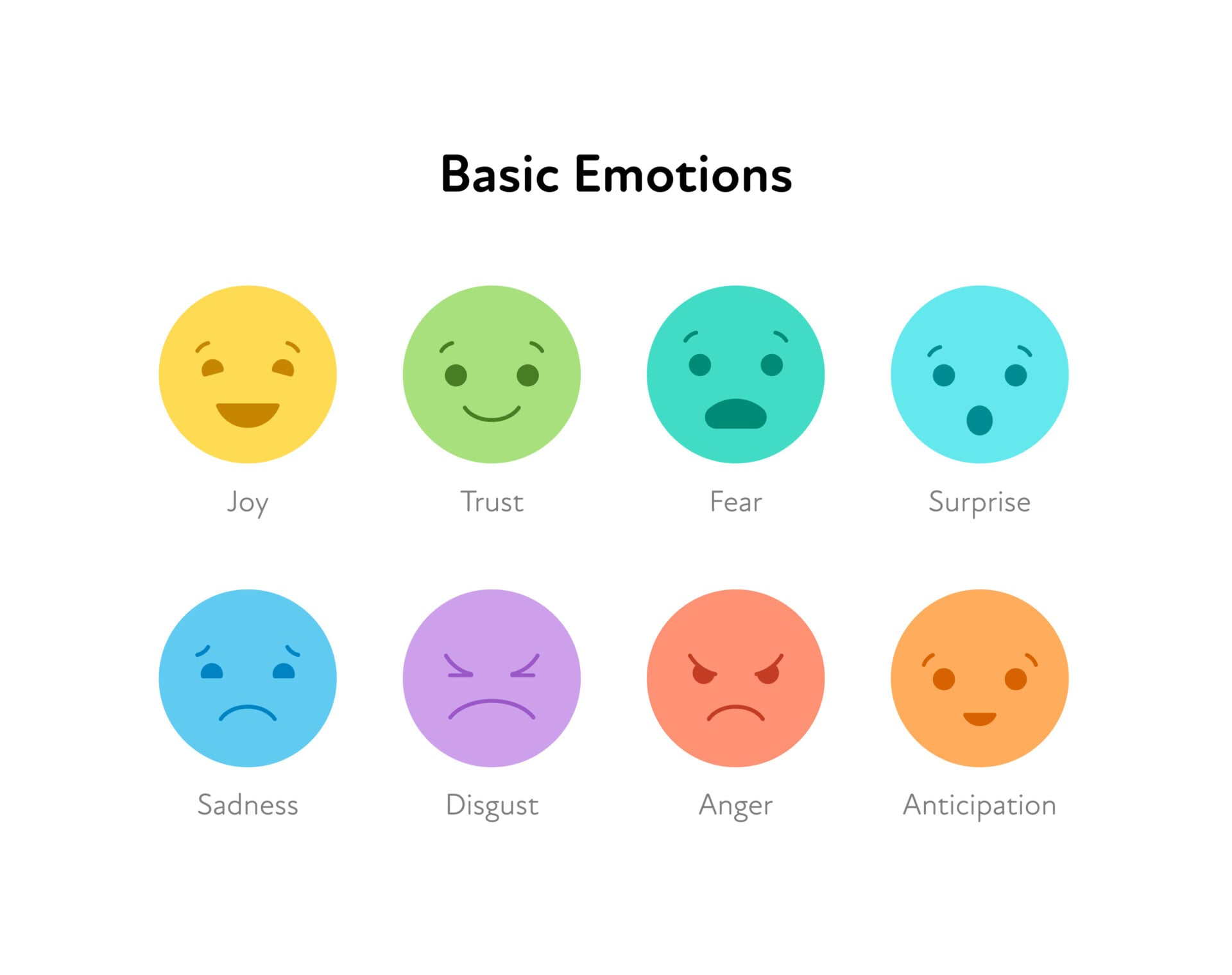
Most consumers like to believe they make rational purchasing decisions.
It's an appealing idea.
We compare features. We evaluate prices. We read reviews. We weigh alternatives. Then, armed with objective information, we choose the option that offers the greatest value.
At least that's the story many people tell themselves.
The reality is considerably more complicated.
Consider how often consumers spend more for products that perform nearly identical functions. Think about the coffee purchased from a favorite café despite cheaper alternatives nearby. The luxury handbag chosen over a practical substitute. The smartphone upgrade that arrives months before the previous device has become obsolete.
Logic is present in these decisions.
Emotion is present too.
And more often than businesses care to admit—or consumers care to acknowledge—emotion arrives first.
For decades, marketers, psychologists, economists, and behavioral scientists have explored the forces behind purchasing decisions. Their findings point toward a conclusion that remains surprisingly uncomfortable for those who view buying behavior as purely rational.
People rarely purchase products based on facts alone.
They purchase based on how those facts make them feel.
The implications are profound.
Because understanding emotion means understanding one of the most powerful drivers of consumer behavior.
The Myth of the Rational Consumer
Traditional economic theory often assumed people behaved as logical decision-makers.
Consumers would gather information.
Compare options.
Calculate value.
Make optimal choices.
Simple.
Elegant.
Largely incomplete.
Real-world purchasing behavior rarely follows such a predictable sequence.
Human beings operate under constraints.
Limited attention.
Limited time.
Limited information.
Under these conditions, emotions function as shortcuts.
They help people navigate decisions quickly.
Far from being irrational, emotional decision-making is often highly efficient.
Consumers use feelings as signals.
Signals about trust.
Safety.
Quality.
Status.
Belonging.
Those signals influence behavior long before spreadsheets and comparison charts enter the picture.
Why Emotion Matters More Than Features
Products solve problems.
Emotions create meaning.
That distinction explains why two competing products with similar specifications can generate dramatically different levels of demand.
Features explain what a product does.
Emotions explain why someone cares.
A running shoe is not merely footwear.
For one customer, it represents discipline.
For another, achievement.
For someone else, transformation.
The physical product remains unchanged.
The emotional significance varies enormously.
Consumers don't just buy functionality.
They buy the emotional outcomes associated with functionality.
The Emotional Triggers Behind Purchasing Decisions
Certain emotions appear repeatedly across industries and product categories.
These emotional drivers influence both conscious and subconscious decision-making.
Trust
Trust is perhaps the most commercially valuable emotion.
Without trust, purchasing becomes risky.
With trust, uncertainty decreases.
Consumers consistently gravitate toward brands that make them feel confident in their decisions.
Trust influences:
- Brand loyalty
- Repeat purchases
- Premium pricing acceptance
- Customer advocacy
Importantly, trust develops gradually and disappears quickly.
Desire
Desire fuels aspiration.
Consumers often purchase products because those products appear connected to future possibilities.
A fitness program promises transformation.
A luxury watch symbolizes achievement.
A travel package represents adventure.
The emotional appeal extends beyond the product itself.
The purchase becomes associated with an imagined future state.
Fear
Fear is frequently misunderstood in marketing discussions.
It doesn't necessarily involve alarm or panic.
More commonly, it involves avoiding negative outcomes.
Missing opportunities.
Making mistakes.
Falling behind.
Choosing incorrectly.
Fear often motivates action because humans are highly sensitive to potential losses.
Belonging
People are social creatures.
Purchases frequently reflect a desire for connection.
Consumers choose products used by peers, admired groups, and communities they identify with.
Belonging reduces uncertainty while reinforcing identity.
The product becomes a social signal.
Comparing Emotional Drivers in Consumer Behavior
| Emotion | Consumer Impact | Typical Buying Outcome | Long-Term Influence |
|---|---|---|---|
| Trust | Reduces uncertainty | Higher conversion rates | Very High |
| Desire | Creates aspiration | Premium purchases | High |
| Fear | Encourages action | Faster decisions | Medium-High |
| Belonging | Reinforces identity | Brand loyalty | Very High |
| Excitement | Generates enthusiasm | Impulse purchases | Medium |
| Nostalgia | Creates familiarity | Repeat purchases | High |
| Pride | Supports self-image | Premium positioning | High |
| Relief | Solves frustration | Strong satisfaction | High |
One pattern stands out immediately.
The most durable customer relationships tend to be rooted in trust and belonging rather than excitement alone.
Excitement attracts attention.
Trust sustains it.
The Role of Identity in Buying Decisions
Consumers often believe they buy products.
In reality, they frequently buy versions of themselves.
Identity influences purchasing behavior in subtle ways.
Someone purchasing environmentally conscious products may be reinforcing personal values.
A luxury buyer may be expressing achievement.
A technology enthusiast may be communicating innovation and curiosity.
Products become extensions of self-perception.
This explains why emotional attachment can persist even when competing alternatives offer similar value.
The product serves a symbolic purpose.
Replacing it feels like replacing part of an identity narrative.
Why Stories Influence Purchases
Facts inform.
Stories persuade.
The distinction has enormous implications for businesses.
Consumers remember narratives more effectively than specifications because stories organize information emotionally.
A list of product features may explain functionality.
A story explains significance.
This is why brand storytelling remains influential across industries.
Stories provide context.
Context creates meaning.
Meaning influences decisions.
The strongest brands rarely focus exclusively on what they sell.
They emphasize why it matters.
A Lesson I Learned About Emotional Purchasing
Several years ago, I participated in a consumer research project involving competing products within the same category.
Participants were asked to evaluate products based on quality, value, and functionality.
The results were fascinating.
Many participants selected a preferred brand before completing their evaluations.
Their justifications appeared logical.
The explanations sounded objective.
Yet follow-up discussions revealed a deeper pattern.
Past experiences influenced perceptions.
Brand familiarity influenced trust.
Packaging influenced expectations.
Recommendations influenced confidence.
In other words, emotional impressions often preceded rational explanations.
That experience reinforced an important lesson.
Consumers frequently rationalize emotionally driven decisions rather than making purely rational ones from the beginning.
The Power of Nostalgia
Nostalgia remains one of the most powerful emotional forces in marketing.
Memories create emotional shortcuts.
Consumers often associate products with meaningful experiences.
Childhood.
Family traditions.
Personal milestones.
Cultural moments.
These associations generate feelings of comfort and familiarity.
A product connected to positive memories enjoys a significant psychological advantage.
The emotional response often feels immediate.
And remarkably durable.
Emotional Buying and Premium Pricing
One of the most intriguing aspects of consumer behavior involves willingness to pay.
Why do consumers willingly spend more on certain products?
Product quality explains part of the equation.
Emotion explains much of the rest.
Premium brands frequently succeed because they create emotional value beyond functional value.
Status.
Confidence.
Prestige.
Exclusivity.
Self-expression.
These emotional benefits influence perceived worth.
Consumers evaluate not only what they receive but how ownership makes them feel.
The Science of Impulse Purchases
Impulse buying offers another illustration of emotional influence.
These purchases often occur when emotional activation temporarily outweighs deliberate evaluation.
Excitement.
Curiosity.
Urgency.
Reward anticipation.
Each can increase purchasing likelihood.
Importantly, impulse purchases are not always regretted.
Many provide genuine satisfaction.
The key factor is emotional intensity.
The stronger the emotional response, the more likely immediate action becomes.
Customer Experience Shapes Emotional Memory
Products matter.
Experiences matter more than many businesses realize.
Consumers remember how interactions feel.
Helpful service.
Effortless purchasing.
Thoughtful communication.
Rapid problem resolution.
These experiences create emotional memories that influence future behavior.
A positive experience strengthens trust.
A frustrating experience weakens it.
Over time, emotional memories become part of brand perception.
Why Negative Emotions Carry Extra Weight
Psychologists have long observed that negative experiences often leave stronger impressions than positive ones.
This tendency affects consumer behavior significantly.
One disappointing interaction can outweigh several satisfactory ones.
One broken promise can undermine years of trust.
The phenomenon reflects a broader psychological tendency toward risk awareness.
Consumers pay close attention to signals that suggest future disappointment.
As a result, managing negative experiences becomes just as important as creating positive ones.
The Future of Emotional Marketing
Technology continues evolving.
Consumer psychology remains remarkably stable.
People still seek trust.
They still seek belonging.
They still seek confidence in their decisions.
Artificial intelligence, personalization, and advanced analytics may improve targeting capabilities, but the underlying emotional drivers remain familiar.
Businesses that understand this distinction gain an important advantage.
Technology changes tools.
Emotion continues shaping behavior.
Conclusion: Consumers Buy Feelings Disguised as Decisions
Businesses often frame purchasing behavior as a logical process supported by emotional influences.
The reality may be closer to the reverse.
Emotion frequently initiates decisions.
Logic frequently justifies them.
That doesn't mean consumers are irrational.
It means human decision-making is more nuanced than traditional models suggest.
People buy products because those products help them solve problems, achieve goals, express identities, reduce uncertainty, and create desired emotional outcomes.
Features matter.
Pricing matters.
Convenience matters.
Yet beneath these practical considerations lies something more powerful.
Emotion.
The provocative truth is that consumers rarely remember every specification, discount, or promotional offer associated with a purchase. They remember how the experience made them feel.
And in competitive markets where products increasingly resemble one another, those feelings often become the deciding factor.
- Arts
- Business
- Computers
- Игры
- Health
- Главная
- Kids and Teens
- Деньги
- News
- Personal Development
- Recreation
- Regional
- Reference
- Science
- Shopping
- Society
- Sports
- Бизнес
- Деньги
- Дом
- Досуг
- Здоровье
- Игры
- Искусство
- Источники информации
- Компьютеры
- Личное развитие
- Наука
- Новости и СМИ
- Общество
- Покупки
- Спорт
- Страны и регионы
- World

 English
 French
 Spanish
 Portuguese
 Deutsch
 Turkish
 Dutch
Dutch
 Italiano
 Arabic
 Romaian
 Portuguese (Brazil)
 Greek
Greek
