
How to Increase Repeat Purchases?
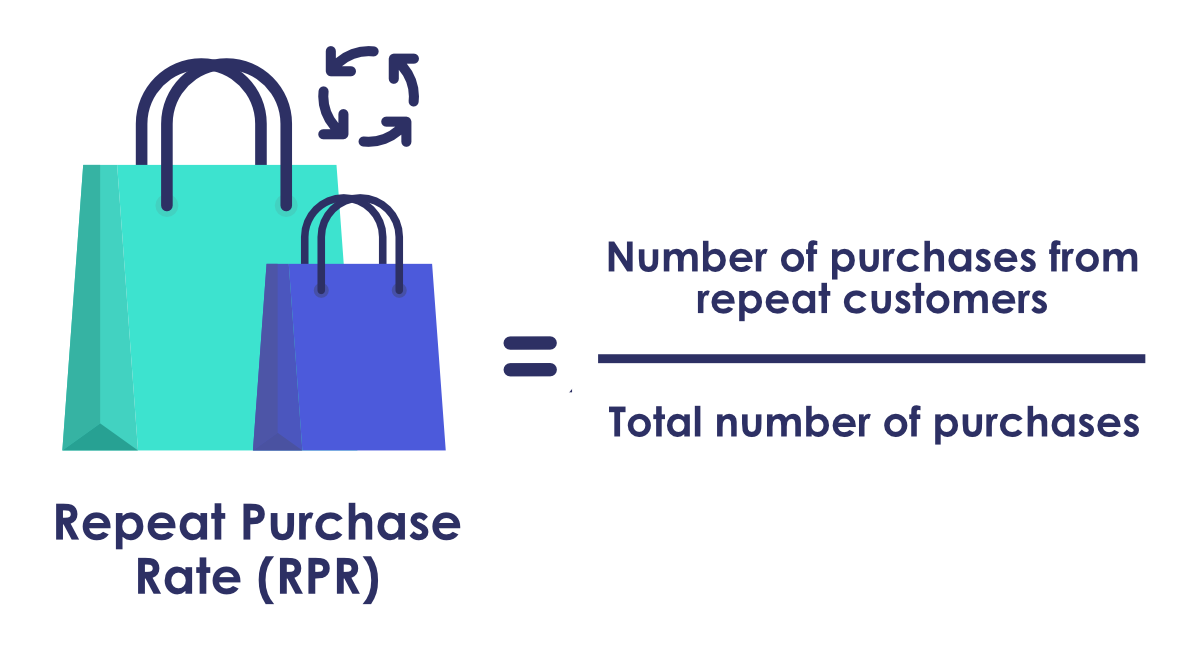
Most businesses spend an extraordinary amount of energy convincing customers to buy once.
Advertising budgets expand.
Promotional campaigns multiply.
Acquisition strategies become increasingly sophisticated.
Yet after the sale is complete, something curious often happens.
Attention shifts elsewhere.
Toward the next prospect.
The next campaign.
The next lead.
Meanwhile, an uncomfortable reality remains hidden in plain sight.
The easiest customer to sell to is frequently the one who has already purchased.
Not because repeat customers are guaranteed. They aren't.
But because trust already exists.
The first purchase requires overcoming uncertainty. The second requires reinforcing confidence.
That distinction carries enormous implications for growth.
Businesses often view repeat purchases as a byproduct of success.
In reality, they are often one of its strongest drivers.
Customers who buy repeatedly tend to spend more over time, generate referrals, provide valuable feedback, and contribute to long-term profitability. Yet many organizations focus so intensely on attracting new customers that they underinvest in the relationships they have already earned.
The result is predictable.
High acquisition costs.
Low retention.
Stagnant customer lifetime value.
The solution isn't simply encouraging another purchase.
It's creating compelling reasons for customers to return.
Again and again.
Why Repeat Purchases Matter More Than Most Businesses Realize
A single purchase proves interest.
A repeat purchase proves satisfaction.
Customers rarely return accidentally.
They return because previous experiences created enough value, trust, or convenience to justify another decision.
This is important because acquisition and retention operate differently.
Acquisition asks:
"Why should I try this?"
Retention asks:
"Why should I come back?"
The second question is often more revealing.
It exposes whether the business delivered on its promises.
Not just through marketing.
Through experience.
Repeat Purchases Are Built on Trust
Many retention discussions focus on tactics.
Email sequences.
Discount codes.
Rewards programs.
Personalized offers.
These tools can be useful.
But they work best when trust already exists.
Without trust, incentives become temporary motivators.
With trust, they become relationship enhancers.
Customers return when they believe future experiences will resemble positive past experiences.
That belief is trust.
Everything else builds upon it.
The Core Drivers of Repeat Purchases
Several factors consistently influence whether customers buy again.
| Driver | Customer Impact | Business Impact | Long-Term Value |
|---|---|---|---|
| Product Quality | Creates confidence | Reduces churn | Very High |
| Customer Experience | Builds satisfaction | Improves retention | Very High |
| Trust | Reduces risk perception | Encourages loyalty | Extremely High |
| Convenience | Saves time and effort | Increases repeat buying | High |
| Personalization | Creates relevance | Boosts engagement | High |
| Loyalty Programs | Encourages return visits | Supports retention | Medium-High |
| Customer Service | Strengthens relationships | Protects revenue | Very High |
| Brand Connection | Builds emotional attachment | Increases lifetime value | High |
An interesting pattern emerges.
The strongest retention drivers are not promotional.
They are experiential.
Deliver an Experience Worth Repeating
Many businesses ask how to encourage repeat purchases.
A more useful question is:
Why would a customer want to repeat the experience?
The answer rarely begins with discounts.
It begins with value.
Customers return when the experience consistently meets or exceeds expectations.
The product performs as promised.
The service feels reliable.
The process feels effortless.
Repeat purchases become natural when customers associate the brand with positive outcomes.
The Most Valuable Retention Lesson I Learned
Several years ago, I worked with a company facing a familiar challenge.
Customer acquisition looked healthy.
Traffic was increasing.
Sales were growing.
Yet repeat purchase rates remained disappointingly low.
Leadership initially focused on pricing.
Then promotions.
Then loyalty incentives.
Results improved only marginally.
Eventually, customer interviews revealed a different issue.
Customers liked the product.
They simply forgot about the brand afterward.
Post-purchase communication was minimal.
The customer relationship effectively ended after checkout.
Once the company introduced thoughtful follow-up communication, educational content, personalized recommendations, and proactive customer support, repeat purchases increased significantly.
The lesson was revealing.
Customers don't automatically become loyal because they made a purchase.
Relationships require maintenance.
Silence creates distance.
Engagement creates familiarity.
Make Convenience a Competitive Advantage
Convenience is often underestimated because it feels ordinary.
Customers notice it immediately.
A simple checkout process.
Fast delivery.
Easy returns.
Accessible support.
Clear communication.
Each reduces effort.
Consumers are busy.
The path requiring the least friction frequently becomes the preferred option.
Businesses sometimes assume customers leave because of price.
Often, they leave because another experience feels easier.
Convenience may not create excitement.
It creates repeat behavior.
And repeat behavior drives revenue.
Personalization Creates Relevance
Customers increasingly expect experiences that acknowledge their preferences.
Not because they demand special treatment.
Because relevance saves time.
Thoughtful personalization can include:
- Product recommendations
- Tailored promotions
- Personalized emails
- Relevant content
- Customized offers
The objective is not collecting excessive data.
The objective is making interactions more useful.
When personalization feels genuinely helpful, customers perceive additional value.
When it feels intrusive, trust weakens.
Balance matters.
Customer Service Influences Future Revenue
Customer service is often evaluated through satisfaction metrics.
Its influence extends much further.
Every support interaction affects future purchasing decisions.
A problem resolved efficiently can strengthen confidence.
A problem handled poorly can eliminate future purchases entirely.
Customers remember how organizations respond when circumstances become inconvenient.
Those moments shape trust.
Trust shapes retention.
What Great Service Communicates
Exceptional customer service communicates:
- We care about your experience.
- We value your time.
- We take responsibility.
- We are reliable.
These messages reinforce the psychological foundations of repeat purchasing.
Build Habits, Not Just Transactions
Some of the most successful businesses understand a simple truth.
Repeat purchases often emerge from habits.
Habits reduce decision-making effort.
Customers stop evaluating alternatives constantly because familiar routines become comfortable.
Subscriptions illustrate this principle clearly.
But habit formation extends beyond subscription models.
Consistent quality.
Reliable availability.
Predictable experiences.
Each contributes to behavioral patterns that encourage repeat engagement.
The goal isn't dependency.
The goal is becoming a trusted default choice.
Loyalty Programs Work Best as Reinforcement
Businesses frequently overestimate the power of rewards programs.
Loyalty programs can be effective.
They rarely compensate for poor experiences.
A weak customer experience paired with a generous rewards structure remains vulnerable.
Customers may stay temporarily.
They rarely develop meaningful loyalty.
The strongest loyalty programs reinforce existing satisfaction.
They reward behavior already supported by positive experiences.
They are multipliers.
Not substitutes.
Create Emotional Reasons to Return
Functional value matters.
Emotional value often determines retention.
Customers frequently remain loyal because of how a brand makes them feel.
Confident.
Recognized.
Understood.
Appreciated.
Connected.
These emotional benefits are difficult for competitors to replicate.
Two companies may offer similar products.
The company creating stronger emotional connections often enjoys higher retention.
Emotion transforms transactions into relationships.
Follow Up After the Sale
An astonishing number of businesses disappear immediately after a purchase.
Customers notice.
Follow-up communication creates continuity.
Useful follow-up strategies include:
- Order updates
- Product education
- Satisfaction surveys
- Personalized recommendations
- Helpful content
- Customer support check-ins
The purpose is not constant selling.
The purpose is remaining relevant.
Customers who remember the brand are more likely to return to it.
Use Customer Feedback as a Retention Tool
Every complaint.
Every review.
Every suggestion.
Contains information.
Businesses focused on repeat purchases actively seek feedback because it reveals opportunities for improvement.
Customers appreciate being heard.
Even more importantly, they appreciate seeing action taken.
When organizations respond thoughtfully to feedback, customers often develop stronger loyalty.
Participation creates investment.
Investment strengthens relationships.
Why Consistency Outperforms Occasional Excellence
Many businesses chase memorable moments.
Customers frequently prefer dependable ones.
An extraordinary experience followed by inconsistency creates uncertainty.
A consistently positive experience creates confidence.
Confidence reduces perceived risk.
Reduced risk encourages repeat purchasing.
Consumers evaluate patterns.
Not isolated events.
Consistency signals reliability.
Reliability encourages return visits.
The relationship is remarkably straightforward.
Measure What Actually Drives Retention
Businesses serious about increasing repeat purchases should monitor several key indicators:
- Repeat purchase rate
- Customer lifetime value
- Retention rate
- Average order frequency
- Net Promoter Score
- Customer satisfaction metrics
- Churn rate
- Referral activity
These metrics provide visibility into customer behavior over time.
More importantly, they reveal trends before revenue impacts become obvious.
Retention rarely declines suddenly.
Warning signs usually appear first.
The Hidden Cost of Ignoring Existing Customers
Businesses often celebrate new customer growth.
Understandably so.
Growth is exciting.
Retention is quieter.
Yet ignoring existing customers can become expensive.
Acquisition costs rise.
Revenue becomes less predictable.
Customer relationships weaken.
Competitive vulnerability increases.
Meanwhile, opportunities remain untapped within the existing customer base.
Organizations that balance acquisition with retention often build stronger foundations for sustainable growth.
Not because acquisition matters less.
Because retention multiplies the value of acquisition.
Conclusion: Repeat Purchases Are Earned, Not Engineered
Many businesses search for a retention formula.
A sequence of tactics guaranteed to generate repeat purchases.
The reality is more nuanced.
Customers return because previous experiences justify future confidence.
That confidence emerges from trust.
Consistency.
Value.
Convenience.
Communication.
The provocative truth is that repeat purchases are rarely driven by discounts alone. Price incentives may encourage short-term action, but lasting retention depends on something far more durable.
Customers come back when they believe returning is the safest, easiest, or most rewarding choice available.
Not because they are trapped.
Because they are convinced.
The businesses that achieve strong repeat purchase rates understand this distinction. They focus less on persuading customers to buy again and more on giving them reasons to want to.
Over time, that difference becomes visible.
In stronger relationships.
Higher lifetime value.
Greater resilience.
And perhaps most importantly, a customer base that chooses to return even when alternatives are only a click away.
- Arts
- Business
- Computers
- Jocuri
- Health
- Home
- Kids and Teens
- Money
- News
- Personal Development
- Recreation
- Regional
- Reference
- Science
- Shopping
- Society
- Sports
- Бизнес
- Деньги
- Дом
- Досуг
- Здоровье
- Игры
- Искусство
- Источники информации
- Компьютеры
- Личное развитие
- Наука
- Новости и СМИ
- Общество
- Покупки
- Спорт
- Страны и регионы
- World

 English
 Russian
 French
 Spanish
 Portuguese
 Deutsch
 Turkish
 Dutch
Dutch
 Italiano
 Arabic
 Portuguese (Brazil)
 Greek
Greek
