
How Long Does It Take to Become Profitable?
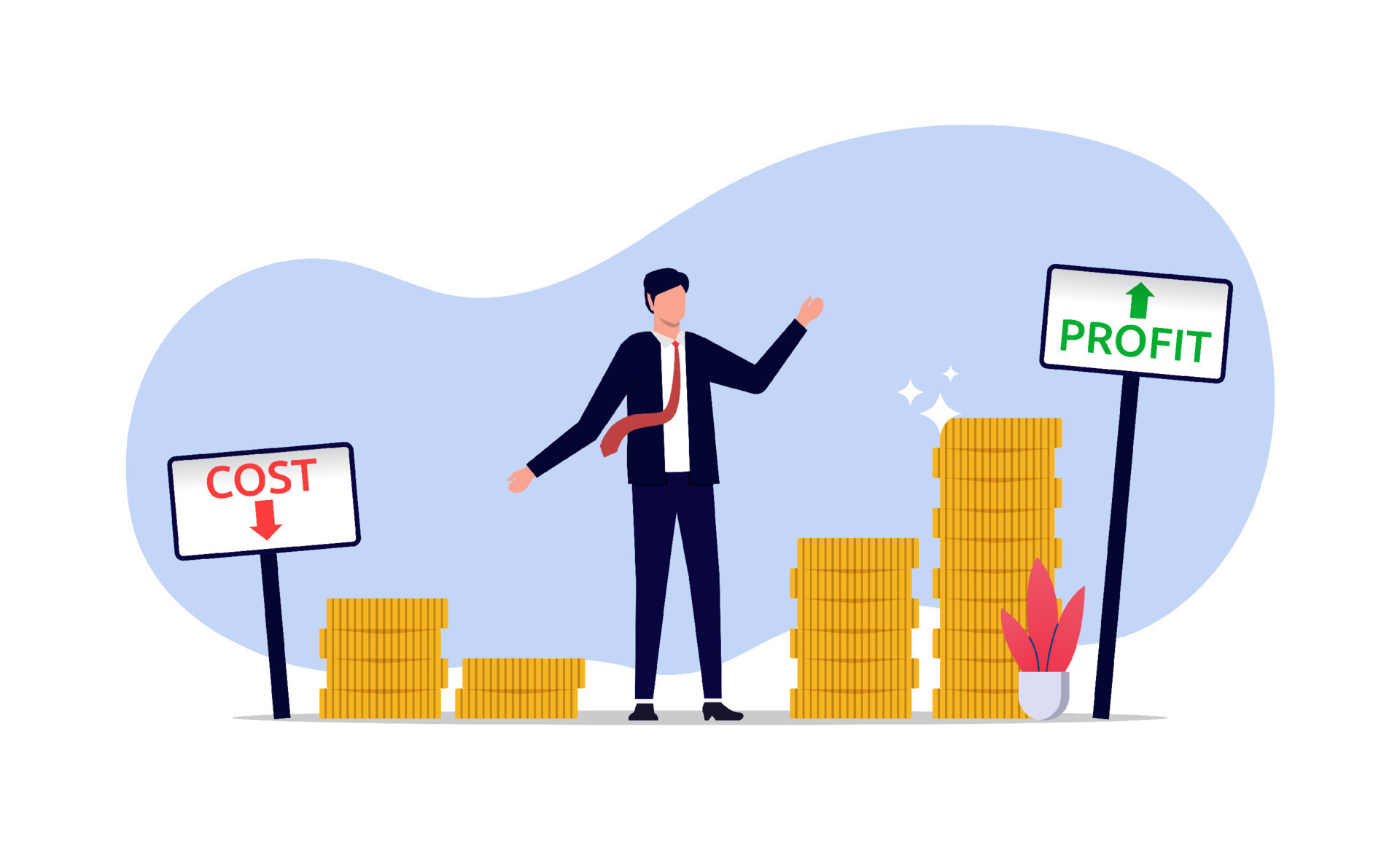
Every entrepreneur asks the question.
Usually sooner than they admit.
The business has launched. The website is live. Customers are beginning to arrive. Marketing campaigns are running. Expenses are accumulating with impressive consistency.
And somewhere between the first invoice and the twentieth, a thought appears:
"When does this actually start making money?"
It's a reasonable question.
Unfortunately, it's one of the hardest questions in business to answer accurately.
Because profitability doesn't arrive according to a universal schedule.
There is no fixed timeline.
No standardized countdown.
No magical month when losses suddenly transform into profits and every financial concern quietly disappears.
Instead, profitability emerges from a combination of variables—industry dynamics, startup costs, pricing strategy, customer acquisition efficiency, operating expenses, competition, leadership quality, and, occasionally, a bit of timing.
This complexity frustrates entrepreneurs.
It should.
Business is often portrayed as a sequence of milestones.
Launch.
Grow.
Profit.
Scale.
Reality tends to be less orderly.
Profitability arrives unevenly.
Sometimes surprisingly quickly.
Sometimes painfully slowly.
And understanding why requires looking beyond simplistic timelines.
The First Thing to Understand About Profitability
Many people confuse revenue with profit.
The distinction matters.
A great deal.
A business can generate impressive sales and still lose money.
Likewise, a business with relatively modest revenue can produce healthy profits.
Revenue is money coming in.
Profit is what remains after expenses leave.
The difference between those two numbers determines whether a business is truly profitable.
This sounds obvious.
Yet countless entrepreneurs focus heavily on sales while overlooking cost structures.
The result is predictable.
Growth without profitability.
Activity without sustainability.
Why Profitability Takes Longer Than Expected
New business owners often underestimate the gap between launching a business and stabilizing a business.
The launch creates visibility.
The stabilization creates profit.
And those are not the same thing.
Early Expenses Arrive First
Businesses typically encounter costs immediately:
- Equipment
- Marketing
- Rent
- Payroll
- Insurance
- Technology
- Inventory
- Licensing fees
Revenue tends to develop more gradually.
Customers need time.
Awareness requires effort.
Trust develops slowly.
The financial mismatch between immediate expenses and delayed revenue often explains early losses.
Typical Profitability Timelines by Business Type
While every business is unique, certain patterns emerge across industries.
| Business Type | Typical Time to Break Even | Typical Time to Consistent Profitability | Capital Intensity |
|---|---|---|---|
| Freelance Services | 3–12 Months | 6–18 Months | Low |
| Consulting Firms | 3–12 Months | 6–24 Months | Low |
| E-commerce Businesses | 6–24 Months | 12–36 Months | Moderate |
| Franchise Service Businesses | 6–18 Months | 12–36 Months | Moderate |
| Retail Stores | 12–24 Months | 18–48 Months | High |
| Restaurants | 12–36 Months | 24–60 Months | Very High |
| SaaS Companies | 12–36 Months | 24–72 Months | Moderate to High |
| Manufacturing Businesses | 18–48 Months | 36–72 Months | Very High |
These figures are not guarantees.
They're directional observations.
Some businesses outperform them.
Others require considerably longer.
The Difference Between Break-Even and Profitability
This distinction deserves attention because it is frequently misunderstood.
Break-Even
Break-even occurs when revenue equals expenses.
No profit.
No loss.
The business effectively treads water.
Profitability
Profitability begins when revenue consistently exceeds expenses.
Not occasionally.
Consistently.
This distinction explains why reaching break-even often feels less exciting than entrepreneurs expect.
The journey isn't finished.
It's merely entering a new phase.
The Variables That Determine Profitability Speed
No single factor determines how quickly a business becomes profitable.
Several interact simultaneously.
Startup Costs
Higher startup costs typically extend profitability timelines.
Businesses spending heavily before opening often require more time to recover investments.
Pricing Strategy
Underpricing creates challenges.
Customers may arrive.
Profits may not.
Pricing influences profitability more than many owners realize.
Customer Acquisition Costs
Every customer has a cost.
Advertising.
Sales efforts.
Promotions.
Referral programs.
Businesses acquiring customers efficiently generally reach profitability sooner.
Operational Efficiency
Waste slows profitability.
Efficient operations accelerate it.
Simple.
Not easy.
But simple.
Why Franchises Often Reach Profitability Faster
Franchises are not guaranteed to become profitable quickly.
However, many benefit from advantages that independent businesses lack.
Established Systems
Operational processes already exist.
Brand Recognition
Customer awareness may develop more rapidly.
Training Support
New owners avoid certain learning curves.
Marketing Resources
Established promotional frameworks can improve efficiency.
These factors often shorten the path to profitability.
Not eliminate it.
Shorten it.
The distinction matters.
A Lesson I Learned From Speaking With Business Owners
Several years ago, I interviewed entrepreneurs from different industries about growth expectations.
One conversation stayed with me.
A first-time business owner had projected profitability within six months.
The business reached profitability in eighteen.
Initially, he viewed the delay as failure.
Later, he recognized something important.
His original timeline was based almost entirely on optimism.
The revised timeline reflected reality.
Customer acquisition took longer.
Hiring required more effort.
Marketing produced slower results.
Yet the business ultimately succeeded because it survived the gap between expectations and outcomes.
That lesson appears repeatedly in entrepreneurship.
Businesses rarely fail because profitability takes time.
They fail because owners run out of resources before profitability arrives.
Cash Flow Matters More Than Profit
This statement surprises many entrepreneurs.
Profit matters.
Cash flow often matters more.
A profitable business can still experience cash flow problems.
Invoices may remain unpaid.
Inventory may require purchasing.
Payroll obligations continue regardless of revenue timing.
Why Cash Flow Creates Problems
Businesses frequently collapse despite generating profits on paper.
The issue is timing.
Money arrives later than expenses demand.
The result can be financial pressure even during periods of apparent success.
This is why experienced operators monitor cash flow obsessively.
They understand its importance.
Industry Selection Influences Everything
Certain industries naturally achieve profitability faster than others.
Service Businesses
Service businesses often require lower upfront investment.
Lower investment frequently means faster profitability.
Software Businesses
Software businesses may scale efficiently.
Yet customer acquisition can require substantial investment.
Restaurants
Restaurants frequently generate revenue quickly.
Consistent profitability often takes much longer.
Margins remain challenging.
Operational complexity remains high.
Industry economics shape outcomes long before execution enters the picture.
The Hidden Profitability Killer: Overexpansion
Growth receives constant praise.
Sometimes deservedly.
Sometimes not.
Many businesses delay profitability because they expand prematurely.
They hire too quickly.
Lease larger spaces.
Launch additional locations.
Increase overhead before revenue stabilizes.
Growth without discipline can postpone profitability indefinitely.
The numbers may look impressive.
The bank account may disagree.
Signs Your Business Is Moving Toward Profitability
Profitability rarely arrives suddenly.
Warning signs of improvement usually appear first.
Improving Customer Retention
Returning customers reduce acquisition costs.
Increasing Margins
Higher margins improve financial resilience.
Stable Operating Costs
Predictability improves planning.
Positive Cash Flow Trends
Cash flow improvements often precede sustained profitability.
These indicators matter.
Sometimes more than short-term profit figures.
Why Comparing Timelines Is Dangerous
Entrepreneurs frequently compare themselves to others.
The habit is understandable.
It is also misleading.
A consulting business and a restaurant operate under different economics.
A SaaS startup and a cleaning service franchise face different challenges.
A retail store and a manufacturing operation require different investments.
Comparisons often ignore context.
Context determines timelines.
Not headlines.
What Investors Want to See
Investors understand that profitability takes time.
What they often examine instead is trajectory.
Questions include:
- Is revenue growing?
- Are margins improving?
- Is customer retention strengthening?
- Is cash flow becoming healthier?
- Is management making sound decisions?
Progress frequently matters more than immediate profits.
Particularly during early stages.
Can You Accelerate Profitability?
To a degree.
Several strategies frequently help.
Focus on High-Margin Offerings
Not all revenue contributes equally.
Control Expenses Aggressively
Costs deserve scrutiny.
Constant scrutiny.
Improve Customer Retention
Keeping customers is often cheaper than finding new ones.
Optimize Pricing
Many businesses charge too little.
Pricing adjustments can significantly influence outcomes.
Monitor Metrics Closely
What gets measured often improves.
These approaches cannot guarantee profitability.
They can improve the odds.
Substantially.
The Real Question Isn't "How Long?"
Entrepreneurs often ask:
"How long does it take to become profitable?"
A more useful question may be:
"Do I have the resources to reach profitability?"
Because profitability is not simply a destination.
It's a process.
The businesses that survive are rarely the ones with the most optimistic forecasts.
They're the ones prepared for timelines longer than expected.
Conclusion: Profitability Arrives Gradually, Not Dramatically
Popular business narratives often portray profitability as a breakthrough moment.
A dramatic turning point.
A clear dividing line between struggle and success.
Reality is usually quieter.
Expenses become more manageable.
Margins improve.
Customer retention strengthens.
Cash flow stabilizes.
Then one month, profitability appears.
And stays.
The businesses that reach that point are rarely the fastest-moving or the most aggressively promoted.
They are often the most resilient.
The most disciplined.
The most prepared.
Because becoming profitable isn't merely about generating revenue.
It's about surviving long enough for the economics of the business to begin working in your favor.
And that timeline, while unpredictable, rewards patience far more often than impatience.
- Arts
- Business
- Computers
- Spellen
- Health
- Home
- Kids and Teens
- Money
- News
- Personal Development
- Recreation
- Regional
- Reference
- Science
- Shopping
- Society
- Sports
- Бизнес
- Деньги
- Дом
- Досуг
- Здоровье
- Игры
- Искусство
- Источники информации
- Компьютеры
- Личное развитие
- Наука
- Новости и СМИ
- Общество
- Покупки
- Спорт
- Страны и регионы
- World

 English
 Russian
 French
 Spanish
 Portuguese
 Deutsch
 Turkish
 Italiano
 Arabic
 Romaian
 Portuguese (Brazil)
 Greek
Greek
