
What Are Food Franchises?
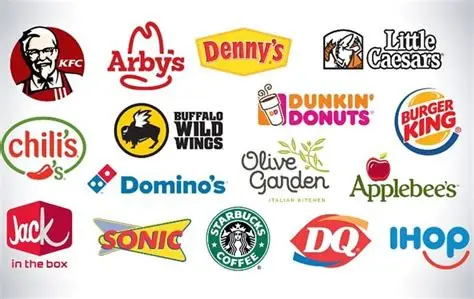
Walk through almost any busy commercial district in America and you'll encounter them.
A familiar logo glowing above a storefront.
A drive-thru line stretching into the parking lot.
A coffee shop where customers place orders before employees even finish greeting them.
A sandwich counter producing hundreds of meals before lunchtime.
Food franchises are everywhere.
And yet, despite their visibility, many people misunderstand what they actually are.
From a distance, food franchises appear to be restaurants.
Which, of course, they are.
But from a business perspective, they represent something far more interesting.
A food franchise is not simply a place that serves meals.
It is a carefully replicated business system.
A model designed to deliver a consistent customer experience across dozens, hundreds, or even thousands of locations.
The burger may be the product.
The system is the business.
That distinction explains why food franchising has become one of the most recognizable and enduring segments of the franchise industry.
Because while tastes change, customer expectations remain remarkably consistent.
People want convenience.
They want familiarity.
And perhaps most importantly, they want predictability.
Food franchises exist to provide exactly that.
Understanding Food Franchises
At its most basic level, a food franchise is a restaurant or food-service business operating under an established brand through a licensing agreement.
The franchisor owns the brand, business model, operating procedures, and intellectual property.
The franchisee pays fees to operate under that system.
In return, they gain access to:
- Brand recognition
- Operational processes
- Training programs
- Marketing support
- Supplier networks
- Ongoing business guidance
The relationship creates mutual benefits.
The franchisor expands without directly owning every location.
The franchisee gains access to a proven operating model.
The arrangement appears straightforward.
Its execution is considerably more sophisticated.
Why Food Franchises Became So Popular
Food franchising thrives because it solves a problem for both customers and entrepreneurs.
Customers seek consistency.
Entrepreneurs seek predictability.
The franchise model addresses both.
Imagine opening an independent restaurant.
Every decision falls on the owner.
Menu development.
Brand creation.
Supplier negotiations.
Marketing strategy.
Operational procedures.
Staff training.
Everything begins from scratch.
Food franchises offer an alternative.
Instead of creating a system, owners adopt one.
That difference can dramatically reduce uncertainty.
Not eliminate risk.
Reduce uncertainty.
The distinction matters.
The Different Types of Food Franchises
Many people hear the phrase "food franchise" and immediately picture fast food.
The category is much broader.
Quick-Service Restaurants (QSRs)
These businesses focus on speed, convenience, and efficiency.
Characteristics often include:
- Counter service
- Drive-thru operations
- Standardized menus
- High transaction volume
QSRs remain among the most recognizable franchise formats.
Fast-Casual Concepts
Fast-casual businesses occupy the space between traditional fast food and full-service dining.
Common features include:
- Higher-quality ingredients
- Customized menu options
- Enhanced dining environments
This segment has experienced significant growth over the past two decades.
Full-Service Restaurant Franchises
These establishments emphasize table service and a more comprehensive dining experience.
Operational complexity tends to increase accordingly.
Specialty Food Concepts
Specialty franchises focus on specific products such as:
- Coffee
- Ice cream
- Smoothies
- Baked goods
- Frozen desserts
These businesses often benefit from narrower operational requirements.
Comparing Common Food Franchise Categories
| Franchise Type | Typical Investment Level | Operational Complexity | Staffing Needs | Customer Interaction |
|---|---|---|---|---|
| Quick-Service Restaurant | Moderate to High | Moderate | Medium | Fast-paced |
| Fast-Casual Concept | Moderate to High | Moderate | Medium | Personalized |
| Full-Service Restaurant | High | High | Large | Extensive |
| Coffee Franchise | Low to Moderate | Moderate | Small to Medium | Frequent |
| Dessert Franchise | Low to Moderate | Lower | Small | Transactional |
| Specialty Beverage Franchise | Moderate | Moderate | Medium | Relationship-driven |
While investment levels vary, operational discipline remains essential across all categories.
The Business Model Behind Food Franchising
Customers focus on food.
Franchise owners focus on systems.
This difference explains much about the industry's success.
Food franchises typically rely on carefully documented procedures covering:
- Food preparation
- Inventory management
- Customer service
- Marketing
- Staffing
- Quality control
The objective is consistency.
A customer visiting one location should receive a similar experience at another.
That consistency protects the brand.
It also simplifies operations.
Standardization Is the Foundation
Independent restaurants often celebrate uniqueness.
Food franchises prioritize repeatability.
Every recipe.
Every process.
Every customer interaction.
Standardization allows businesses to scale efficiently.
Without it, growth becomes difficult.
What Franchisees Actually Receive
One of the biggest misconceptions surrounding food franchises is that owners simply buy a restaurant name.
The reality is more comprehensive.
Most franchisees receive access to:
Training Programs
Initial training often covers:
- Operations
- Food safety
- Staffing
- Customer service
- Financial management
Marketing Support
Franchisors frequently coordinate:
- Brand advertising
- Promotional campaigns
- Marketing materials
Supplier Networks
Approved vendors help maintain consistency and purchasing efficiency.
Ongoing Operational Support
Many systems provide field representatives, coaching, and performance guidance.
Support levels vary significantly between brands.
A Lesson I Learned While Interviewing Restaurant Operators
Several years ago, I spent time speaking with owners across both franchise and independent restaurant environments.
One franchise owner shared an observation that changed how I viewed food franchising.
He said:
"People think I bought a restaurant. What I actually bought was a process."
At first, the statement seemed overly simplistic.
Then he explained further.
The recipes were documented.
The training existed.
The supplier relationships were established.
The marketing framework was already functioning.
His primary responsibility wasn't inventing a restaurant.
It was executing a proven system.
That distinction remains one of the clearest explanations of franchising I've encountered.
Advantages of Food Franchises
The food franchise sector continues attracting investors for several reasons.
Established Brand Recognition
Customers often trust familiar brands.
Recognition can shorten the path to customer acquisition.
Proven Business Systems
Operational frameworks reduce the need for trial-and-error experimentation.
Training and Support
Many franchisees enter the industry without prior restaurant ownership experience.
Training helps bridge knowledge gaps.
Purchasing Power
Large franchise networks often negotiate favorable supplier relationships.
Scale creates leverage.
The Challenges of Food Franchises
Food franchising is not without limitations.
Prospective owners should understand these realities.
Startup Costs
Food franchises frequently require significant investment.
Real estate.
Equipment.
Build-outs.
Inventory.
Staffing.
The costs can accumulate quickly.
Franchise Fees and Royalties
Ongoing payments support brand development and system support.
These costs must be incorporated into financial planning.
Operational Demands
Restaurants are labor-intensive businesses.
Managing employees, customer expectations, and food quality requires sustained attention.
Limited Flexibility
Franchisees generally operate within defined systems.
Entrepreneurs seeking complete autonomy may find this challenging.
Why Some Food Franchises Thrive
Success rarely results from branding alone.
Several factors consistently influence performance.
Strong Location Selection
Traffic patterns, demographics, and accessibility matter enormously.
Effective Staffing
Employees shape customer experiences.
Hiring decisions have significant consequences.
Operational Discipline
Systems produce results only when executed consistently.
Customer Experience
Repeat business often depends on service quality as much as product quality.
Trends Shaping Modern Food Franchises
Consumer expectations continue evolving.
Food franchises increasingly respond through:
- Mobile ordering
- Delivery integration
- Loyalty programs
- Health-conscious menu options
- Technology-driven operations
The strongest systems adapt while preserving consistency.
Adaptability and standardization must coexist.
That balance is not always easy to achieve.
Is a Food Franchise Right for Every Entrepreneur?
Not necessarily.
Some individuals thrive within structured systems.
Others prefer greater independence.
Food franchising rewards operators who:
- Follow procedures
- Lead teams effectively
- Manage details consistently
- Embrace operational discipline
Creative freedom exists.
But it generally operates within established boundaries.
Understanding those boundaries is essential before investing.
Conclusion: Food Franchises Sell More Than Meals
Most customers view food franchises through a consumer lens.
They see burgers.
Coffee.
Pizza.
Sandwiches.
Ice cream.
Entrepreneurs must see something different.
Systems.
Processes.
Consistency.
Replication.
Because that is the true product being purchased.
The most successful food franchises are not built solely on recipes.
Recipes can be copied.
What proves more difficult to replicate is operational consistency across hundreds or thousands of locations.
That consistency creates trust.
Trust creates customer loyalty.
Loyalty creates sustainable growth.
And perhaps that is the most revealing truth about food franchising.
The food attracts attention.
The system creates value.
The businesses that understand this distinction tend to endure.
Not because they serve meals.
Because they repeatedly deliver the experience customers expect when those meals arrive.
- Arts
- Business
- Computers
- Jeux
- Health
- Domicile
- Kids and Teens
- Argent
- News
- Personal Development
- Recreation
- Regional
- Reference
- Science
- Shopping
- Society
- Sports
- Бизнес
- Деньги
- Дом
- Досуг
- Здоровье
- Игры
- Искусство
- Источники информации
- Компьютеры
- Личное развитие
- Наука
- Новости и СМИ
- Общество
- Покупки
- Спорт
- Страны и регионы
- World

 English
 Russian
 Spanish
 Portuguese
 Deutsch
 Turkish
 Dutch
Dutch
 Italiano
 Arabic
 Romaian
 Portuguese (Brazil)
 Greek
Greek