
How Are Payments Protected on Marketplaces?
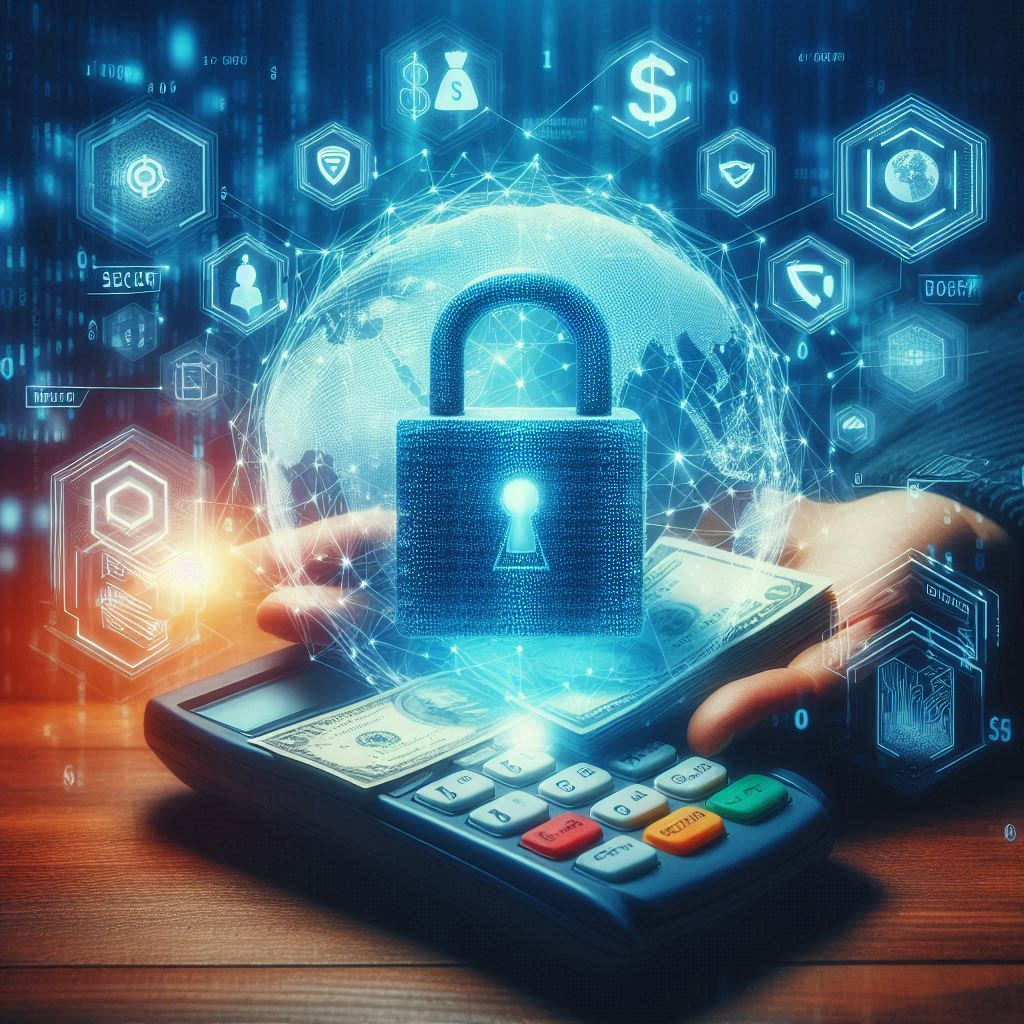
Money travels remarkably fast.
Trust does not.
That tension sits at the heart of every marketplace transaction.
A buyer clicks a button.
Funds move instantly.
An order confirmation appears.
The seller receives a notification.
Everything feels seamless.
Almost effortless.
Yet behind that simplicity lies one of the most sophisticated challenges in modern commerce:
How do you convince two strangers to exchange money safely?
Because every marketplace transaction begins with uncertainty.
The buyer wonders whether the product will arrive.
The seller wonders whether payment is legitimate.
The platform wonders whether fraud is hiding somewhere in the process.
Without protection mechanisms, marketplaces would struggle to exist at meaningful scale.
Participation would collapse under the weight of suspicion.
Trust would become expensive.
Transactions would become rare.
This is why payment protection sits at the center of marketplace economics.
Not because it is convenient.
Because it is necessary.
Marketplace Payments Are Built Around Risk Reduction
Most people assume marketplace payments exist simply to move money.
That is only part of the story.
The real purpose is risk management.
Payment systems are designed to answer a series of critical questions:
- Is the buyer legitimate?
- Is the seller legitimate?
- Is the transaction legitimate?
- Can disputes be resolved?
- Can losses be minimized?
The payment process functions as a trust infrastructure.
Money movement is only one component.
Why Direct Payments Create Problems
Before marketplaces standardized payment protection, transactions often occurred directly between participants.
The results were predictable.
Problems emerged quickly.
Buyers Faced Uncertainty
Buyers worried about:
- Non-delivery
- Counterfeit goods
- Misrepresentation
Sellers Faced Uncertainty
Sellers worried about:
- Chargebacks
- Payment fraud
- False disputes
Trust became fragile.
Fragile trust limits participation.
Participation drives marketplaces.
Therefore protection became essential.
The Marketplace as a Trusted Intermediary
Most modern marketplaces position themselves between buyers and sellers.
This role changes everything.
The Platform Holds Visibility
The marketplace can see:
- Transaction details
- Payment history
- User behavior
- Dispute records
Visibility enables intervention.
Intervention enables protection.
Centralized Oversight Matters
Without centralized oversight, disputes become difficult to resolve.
Evidence becomes fragmented.
Accountability weakens.
Marketplaces reduce this problem by maintaining records.
Escrow-Like Payment Structures
Many marketplace payment systems resemble escrow arrangements.
Not always legally.
Often functionally.
How It Works
The buyer submits payment.
The marketplace processes the funds.
The seller does not immediately receive unrestricted access.
Instead, the platform often waits for certain conditions:
- Shipment confirmation
- Delivery verification
- Completion of services
This creates protection for both parties.
Why It Matters
Immediate payment release can increase fraud risk.
Delayed release creates accountability.
Trust becomes easier to maintain.
Payment Protection Mechanisms Compared
| Protection Method | Buyer Protection | Seller Protection | Primary Purpose |
|---|---|---|---|
| Escrow Systems | High | Moderate | Reduce non-delivery risk |
| Fraud Detection | High | High | Prevent suspicious activity |
| Identity Verification | High | High | Confirm participant legitimacy |
| Chargeback Monitoring | Moderate | High | Reduce payment abuse |
| Transaction Records | High | High | Improve dispute resolution |
| Multi-Factor Authentication | Moderate | High | Prevent account compromise |
| Secure Payment Processing | High | High | Protect financial information |
| Buyer Protection Programs | High | Moderate | Increase transaction confidence |
Each layer addresses a different vulnerability.
No single mechanism solves every problem.
Protection emerges through combination.
Fraud Detection Systems: The Invisible Layer
Most users never see fraud detection systems working.
That invisibility is intentional.
Behavioral Analysis
Modern marketplaces evaluate:
- Purchase patterns
- Device activity
- Login behavior
- Transaction anomalies
Suspicious activity can trigger reviews automatically.
Risk Scoring
Many platforms assign risk scores to transactions.
Higher-risk activities receive additional scrutiny.
Lower-risk activities proceed normally.
The objective is simple.
Stop fraud before damage occurs.
Identity Verification Creates Accountability
Anonymous transactions create opportunity.
Unfortunately, they create opportunity for bad actors as well.
Verification Processes
Many marketplaces now require:
- Email verification
- Phone verification
- Government identification
- Business verification
Requirements vary.
The purpose remains consistent.
Reduce impersonation.
Accountability Changes Behavior
Verified users have more to lose.
This often improves platform quality significantly.
Trust thrives when accountability exists.
Secure Payment Processing Protects Sensitive Data
Marketplace safety extends beyond transaction completion.
Financial information requires protection as well.
Encryption
Payment data is typically encrypted during transmission.
This reduces interception risks.
Tokenization
Many platforms avoid storing raw payment information directly.
Instead, tokens represent payment credentials.
This reduces exposure.
Compliance Standards
Major payment processors often comply with extensive security frameworks.
The average user rarely notices these safeguards.
Their absence would be noticed immediately.
Chargebacks: A Necessary Complication
Chargebacks exist to protect consumers.
They also create challenges.
Buyer Protection Function
Customers can dispute transactions under certain conditions.
Examples include:
- Fraudulent charges
- Unauthorized transactions
- Significant misrepresentation
Seller Risk
Chargebacks can create financial losses for sellers.
Marketplace systems increasingly monitor abuse patterns.
Balance becomes critical.
Excessive buyer protection creates seller frustration.
Insufficient buyer protection damages trust.
A Lesson I Learned Through a Marketplace Dispute
Several years ago, I purchased a specialty item through a marketplace platform.
The listing appeared accurate.
The seller's profile seemed legitimate.
The transaction proceeded normally.
The package arrived.
The contents did not match the description.
Not dramatically.
Just enough to matter.
Instead of negotiating privately, I used the marketplace's formal dispute process.
Documentation existed.
Messages were recorded.
Payment history remained accessible.
The platform reviewed the evidence.
The outcome favored a refund.
The experience reinforced something important.
Payment protection is not primarily about preventing every problem.
It is about creating structured processes when problems inevitably occur.
No payment system can eliminate human error.
Strong systems create accountability afterward.
That distinction matters more than many realize.
Buyer Protection Programs
Buyer protection programs have become common across major marketplaces.
Common Coverage Areas
Programs often protect against:
- Non-delivery
- Significant misrepresentation
- Unauthorized purchases
Coverage varies by platform.
The principle remains consistent.
Reduce perceived risk.
Why These Programs Exist
Without buyer confidence, transaction volume declines.
Protection is not merely customer service.
It is marketplace infrastructure.
Seller Protection Programs
Sellers require protection as well.
Healthy marketplaces recognize this reality.
Common Seller Safeguards
Examples include:
- Fraud screening
- Transaction verification
- Evidence submission processes
- Appeal mechanisms
These protections help reduce abusive claims.
Marketplace Balance
The strongest marketplaces avoid viewing buyers and sellers as opposing sides.
Both contribute value.
Both require protection.
Long-term trust depends on equilibrium.
Multi-Factor Authentication and Account Security
Payment security begins before transactions occur.
Account security plays a critical role.
Multi-Factor Authentication
MFA adds additional verification layers.
Examples include:
- Authentication apps
- SMS codes
- Security keys
These measures reduce account takeover risks.
Why Account Protection Matters
Compromised accounts frequently lead to payment-related fraud.
Preventing unauthorized access often prevents downstream losses.
The Future of Marketplace Payment Protection
Protection systems continue evolving.
Artificial intelligence is improving fraud detection.
Identity verification technologies are becoming more sophisticated.
Behavioral analytics are becoming increasingly predictive.
Yet despite technological advancements, the objective remains remarkably stable.
Protect trust.
Everything else follows.
The Real Secret Behind Marketplace Payment Safety
Many people believe payment protection is about technology.
Technology matters.
But technology alone does not create trust.
The real foundation is accountability.
Payment protection works because marketplaces create records.
Evidence.
Consequences.
Visibility.
These factors influence behavior.
Participants act differently when actions are observable.
That reality shapes modern digital commerce more than any software feature ever could.
Conclusion: Marketplace Payment Protection Is Really Trust Engineering
Marketplace payments appear simple.
Enter card details.
Confirm purchase.
Wait for delivery.
Behind that simplicity exists extraordinary complexity.
Fraud detection systems evaluate risk.
Identity verification systems establish accountability.
Escrow-like structures reduce uncertainty.
Dispute processes create resolution pathways.
Secure payment processors protect sensitive information.
Together, these mechanisms perform a single function.
They transform uncertainty into participation.
And that transformation is remarkably valuable.
Because marketplaces do not succeed simply by moving money.
They succeed by making strangers comfortable enough to move money.
That is a much harder problem.
And the systems protecting marketplace payments are ultimately designed to solve exactly that challenge.
- Arts
- Business
- Computers
- Games
- Health
- Home
- Kids and Teens
- Money
- News
- Personal Development
- Recreation
- Regional
- Reference
- Science
- Shopping
- Society
- Sports
- Бизнес
- Деньги
- Дом
- Досуг
- Здоровье
- Игры
- Искусство
- Источники информации
- Компьютеры
- Личное развитие
- Наука
- Новости и СМИ
- Общество
- Покупки
- Спорт
- Страны и регионы
- World

 Russian
 French
 Spanish
 Portuguese
 Deutsch
 Turkish
 Dutch
Dutch
 Italiano
 Arabic
 Romaian
 Portuguese (Brazil)
 Greek
Greek