
What causes creative burnout?
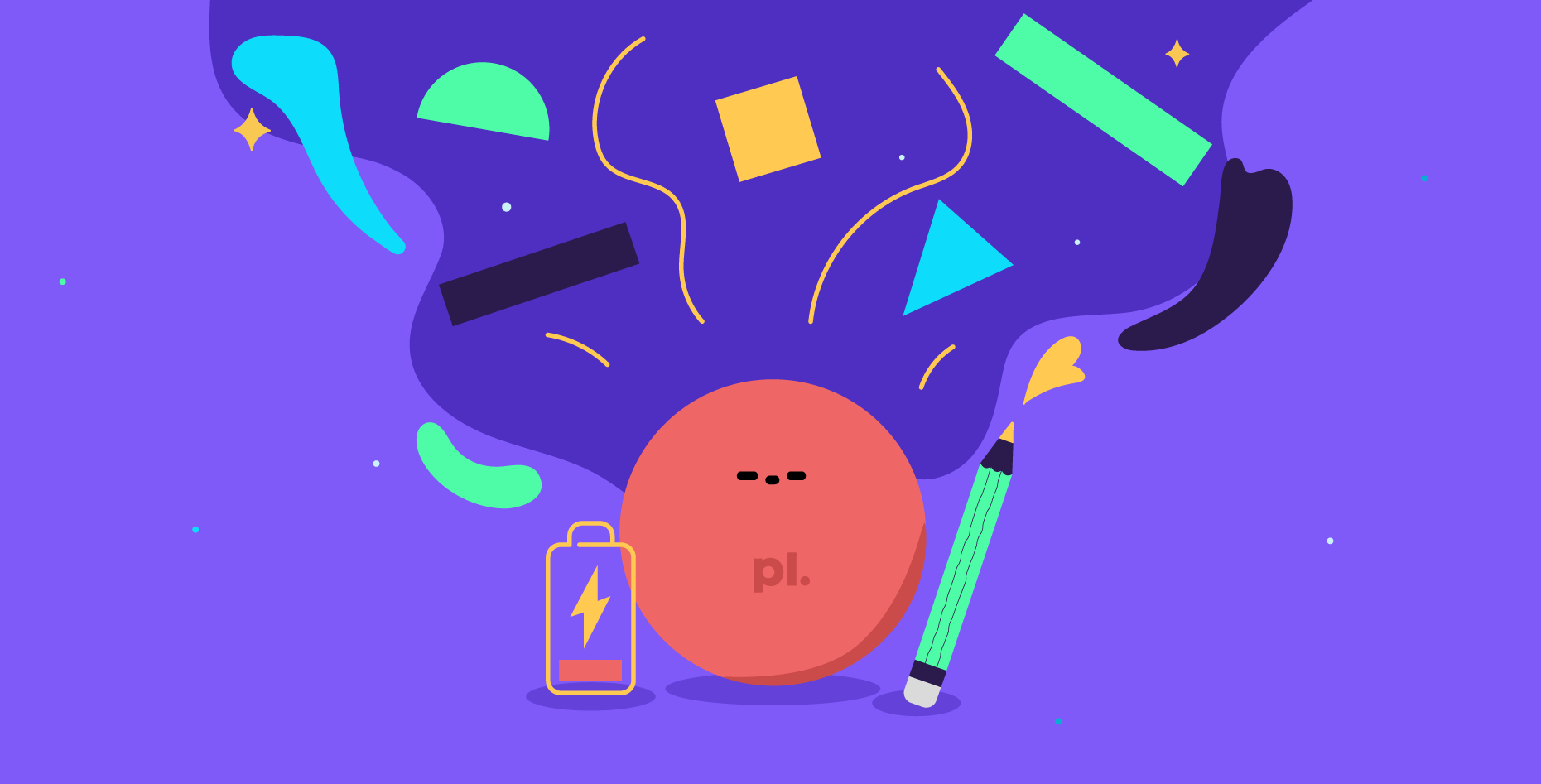
What Causes Creative Burnout?
There is a moment every creative person eventually recognizes.
The work is still there.
The deadlines are still there.
The desire to create is still somewhere inside.
But the connection feels weaker.
The instrument is in your hands.
The song does not come.
The page is open.
The words do not arrive.
The idea exists somewhere in the distance, but reaching it feels impossible.
This is creative burnout.
It is not simply being tired.
Everyone gets tired.
Creative burnout is different.
It is the feeling that the very source you depend on has become unavailable.
The imagination that once felt endless suddenly feels quiet.
The curiosity that once pulled you forward begins to disappear.
The work that once gave energy starts demanding energy.
And this creates a strange contradiction.
The creative person wants to create.
But the process of creating feels exhausting.
Many people misunderstand burnout because they look only at output.
They see fewer ideas.
Less productivity.
Lower motivation.
But beneath those symptoms is something deeper.
Creative burnout is often a relationship problem.
A relationship between the creator and the creative process.
A relationship between effort and recovery.
A relationship between expectation and reality.
The problem is not that creativity has vanished.
The problem is that the conditions allowing creativity to exist have been damaged.
Understanding creative burnout requires looking beneath the surface.
Because the visible exhaustion is only the final signal.
The real causes often began much earlier.
Creative Burnout Is Not a Lack of Passion
One of the biggest misconceptions about burnout is that it happens because someone stops caring.
Usually, the opposite is true.
Creative burnout often happens to people who care deeply.
They invest heavily.
They push themselves.
They want the work to matter.
The passionate creator can become trapped by their own commitment.
They give more attention than they restore.
They demand more than they recover.
They create without allowing themselves to refill.
Passion is powerful.
But passion without balance becomes depletion.
A fire needs fuel.
Even the strongest fire eventually becomes ash if nothing is added.
The Difference Between Creative Fatigue and Creative Burnout
Not every period of low creativity is burnout.
Creative work naturally has cycles.
Some days are productive.
Some days are quiet.
Some periods are full of ideas.
Others require reflection.
The difference is duration and depth.
| Creative State | Temporary Creative Fatigue | Creative Burnout |
|---|---|---|
| Energy | Short-term exhaustion | Persistent emotional depletion |
| Motivation | Returns after rest | Feels difficult to recover |
| Creativity | Temporarily slower | Feels blocked or disconnected |
| Relationship With Work | Still feels meaningful | Begins feeling empty or stressful |
| Emotions | Normal frustration | Cynicism, irritation, detachment |
| Recovery | Improves quickly | Requires deeper changes |
| Cause | Short-term effort | Long-term imbalance |
| Response | Rest and reset | Rebuild habits and boundaries |
| Perspective | "I need a break" | "I cannot continue like this" |
| Identity | Creativity remains enjoyable | Creativity feels like pressure |
Understanding the difference matters.
Temporary tiredness needs recovery.
Burnout requires investigation.
Cause #1: Constant Pressure to Produce
Creativity needs freedom.
Pressure changes the environment.
When every idea must become something valuable, creativity becomes performance.
The mind stops exploring.
It starts calculating.
Is this good enough?
Will people like this?
Will this succeed?
Will this meet expectations?
The creative process becomes a test.
And tests create tension.
A person who feels constantly evaluated begins protecting themselves.
They avoid unusual ideas.
They choose safer options.
They create less because every attempt feels heavier.
The paradox is that demanding more creativity often creates conditions where creativity becomes harder.
Cause #2: Turning Creativity Into Only Work
A creative activity can begin as curiosity.
Then something changes.
It becomes responsibility.
The thing that once provided freedom becomes a requirement.
The musician who loved playing now has deadlines.
The writer who loved stories now has constant publishing expectations.
The designer who loved experimenting now has endless revisions.
The activity itself may not change.
The relationship with it changes.
Creativity needs play.
When every creative action must produce a result, play disappears.
And without play, creativity becomes mechanical.
Cause #3: Ignoring Recovery
Many people treat rest as the opposite of productivity.
But creativity does not function like a machine.
The mind requires periods of processing.
Ideas need time to connect.
Experiences need time to become meaningful.
The brain continues working even when you are not actively producing.
A walk can be creative work.
Reading can be creative work.
Silence can be creative work.
Rest is not empty time.
It is part of the creative cycle.
Cause #4: Too Much Consumption, Not Enough Creation
Modern creators live in a world of endless input.
Images.
Videos.
Articles.
Messages.
Opinions.
Ideas.
Information is everywhere.
But creativity requires transformation.
Consumption fills the mind.
Creation reorganizes what is inside it.
When input constantly enters without time for reflection, the mind becomes crowded.
A crowded mind has difficulty hearing original thoughts.
Creative burnout can come from too much noise.
Not too little inspiration.
Cause #5: Perfectionism
Perfectionism is often disguised as ambition.
It sounds positive.
"I just want my work to be excellent."
But perfectionism can create impossible standards.
The creator becomes focused on avoiding mistakes instead of discovering possibilities.
Every idea is judged immediately.
Every experiment is criticized.
Every attempt carries pressure.
Creativity requires movement.
Perfectionism creates hesitation.
The person becomes trapped between wanting greatness and fearing imperfection.
Cause #6: Losing Connection With Meaning
Creative energy often comes from meaning.
Why am I creating this?
Why does this matter?
What am I trying to express?
When those questions disappear, creative work can become empty.
The person continues producing.
But the emotional connection weakens.
The work becomes a task instead of an expression.
Meaning is not a luxury.
It is fuel.
My Lesson About Creative Burnout
I once thought creative burnout meant I had run out of ideas.
That was the easiest explanation.
The imagination had stopped working.
The solution seemed obvious:
Force more ideas.
Work harder.
Push through.
But that approach only made the problem worse.
The more I demanded from creativity, the quieter it became.
Eventually, I noticed something important.
The problem was not the absence of ideas.
The problem was that I had created an environment where ideas did not feel welcome.
Everything had to be useful.
Everything had to be productive.
Everything had to justify its existence.
I had removed curiosity from the process.
When I returned to exploration without pressure, things changed.
I read things unrelated to my work.
I allowed unfinished thoughts to exist.
I spent time observing without trying to immediately create.
Slowly, the creative connection returned.
The lesson was not that creativity needs more force.
It needs better conditions.
Cause #7: Comparison
Creative people often compare their internal struggles with other people's external success.
They see someone else's finished work.
They do not see the uncertainty behind it.
They see the result.
Not the process.
Comparison creates unnecessary pressure.
Instead of asking:
"What can I create?"
The creator starts asking:
"Why am I not as good as them?"
The first question opens possibilities.
The second closes them.
Cause #8: Repetition Without Exploration
Creative routines can be valuable.
But routines without exploration become limitations.
The same environment.
The same methods.
The same influences.
The same thinking patterns.
Creativity depends on connections.
New connections require new material.
A creative person needs both discipline and discovery.
Structure creates consistency.
Exploration creates possibility.
Both are necessary.
Cause #9: Saying Yes Too Often
Creative burnout often comes from invisible commitments.
Too many projects.
Too many requests.
Too many obligations.
Every yes takes energy.
Eventually, the creative person has no space left for their own ideas.
Boundaries protect creativity.
Saying no is not rejecting opportunity.
Sometimes it is protecting the opportunity that matters most.
Cause #10: Ignoring the Body
Creativity is not separate from physical well-being.
Sleep.
Movement.
Nutrition.
Stress.
Energy.
All influence creative thinking.
A tired mind has fewer resources available for exploration.
The body is not simply carrying the creative mind.
It is part of the creative system.
How to Recover From Creative Burnout
Recovery begins with honesty.
Ask:
What is draining my creative energy?
What expectations are unnecessary?
What activities restore curiosity?
What parts of the process have become too heavy?
The solution is usually not one dramatic change.
It is a series of adjustments.
Reduce unnecessary pressure.
Create space.
Return to curiosity.
Experiment again.
Rebuild Creativity Through Small Actions
When burnout happens, large goals can feel overwhelming.
Small actions rebuild trust.
Write one sentence.
Sketch one idea.
Explore one question.
Make something without sharing it.
The purpose is not achievement.
The purpose is reconnecting.
Creativity returns through relationship.
Not force.
Create Without Expectation
One powerful recovery practice is creating privately.
No audience.
No metrics.
No judgment.
Just exploration.
This reminds the mind why creativity existed before it became performance.
Play returns.
Curiosity returns.
The creator returns.
Protect Your Creative Energy
Creative energy is limited.
Treat it carefully.
Notice what strengthens it.
Notice what weakens it.
Not every opportunity deserves attention.
Not every idea deserves development.
Selective attention is a creative skill.
The ability to protect your focus determines what you can create.
Conclusion: Burnout Is a Signal, Not the End
Creative burnout feels like losing something.
But often, it is revealing something.
A system that cannot continue.
A process that needs adjustment.
A relationship with creativity that needs rebuilding.
The answer is not becoming more demanding toward yourself.
The answer is becoming more aware.
Creativity is not a machine that produces endlessly.
It is a living process.
It needs curiosity.
Rest.
Challenge.
Freedom.
Meaning.
The most creative people are not those who never struggle.
They are those who learn how to listen when struggle appears.
Burnout is not proof that creativity is gone.
It is a message.
Something needs attention.
Something needs to change.
The creative flame does not always need more fuel.
Sometimes it needs protection from the wind.
- Arts
- Business
- Computers
- Spiele
- Health
- Startseite
- Kids and Teens
- Geld
- News
- Personal Development
- Recreation
- Regional
- Reference
- Science
- Shopping
- Society
- Sports
- Бизнес
- Деньги
- Дом
- Досуг
- Здоровье
- Игры
- Искусство
- Источники информации
- Компьютеры
- Личное развитие
- Наука
- Новости и СМИ
- Общество
- Покупки
- Спорт
- Страны и регионы
- World

 English
 Russian
 French
 Spanish
 Portuguese
 Turkish
 Dutch
Dutch
 Italiano
 Arabic
 Romaian
 Portuguese (Brazil)
 Greek
Greek