
Is creativity genetic?
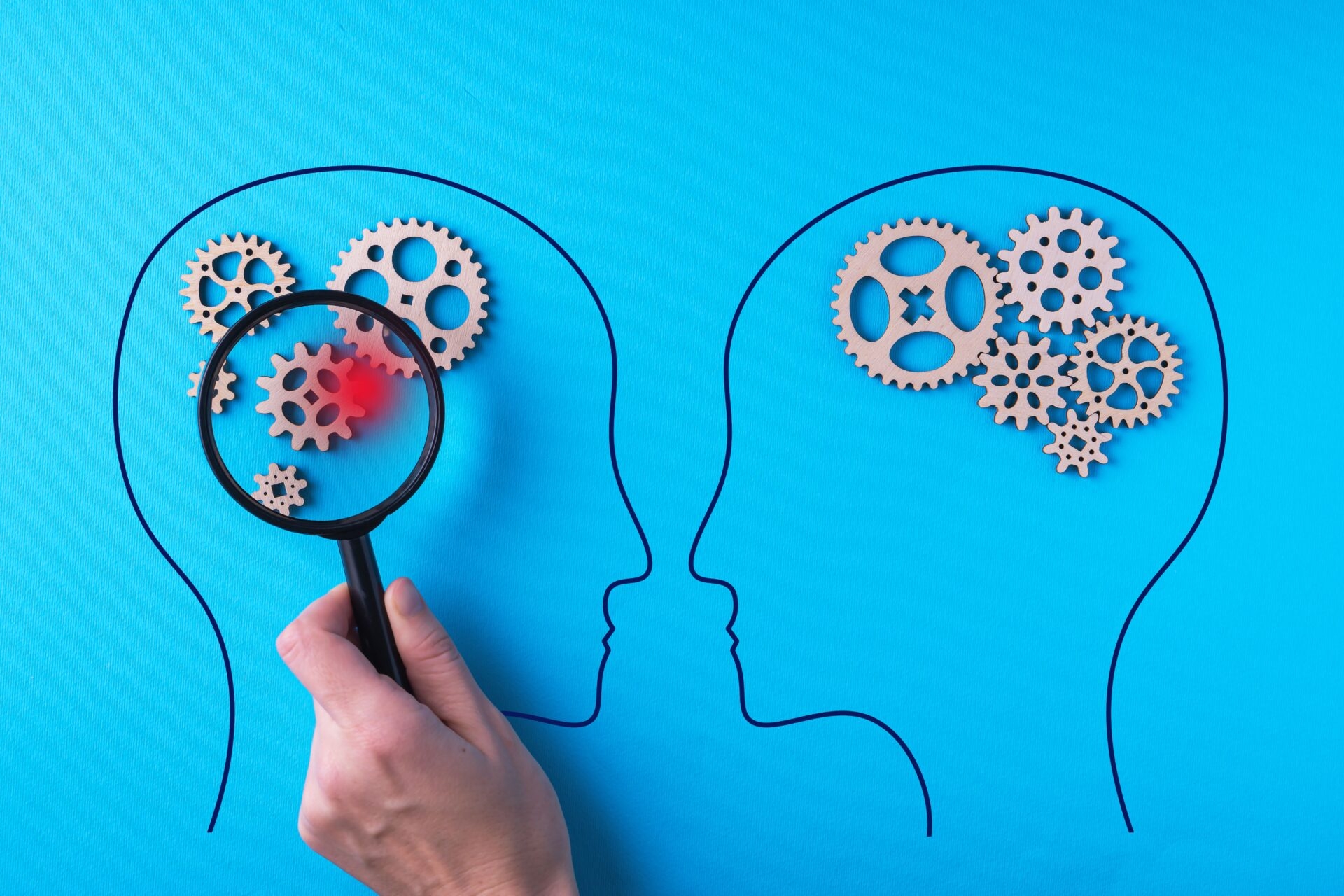
Is Creativity Genetic?
A child sits on the floor with a box of crayons.
There is no audience.
No deadline.
No fear of criticism.
The child draws something impossible.
A house floating in the sky.
An animal with impossible colors.
A world that follows no rules.
The child does not ask:
"Is this creative enough?"
They simply create.
Then something changes.
Years pass.
The questions become different.
"Am I talented?"
"Do I have the ability?"
"Was I born creative?"
The last question is one of the most fascinating questions in human creativity.
Is creativity something we inherit?
Is there a creative gene?
Are some people naturally designed to imagine, invent, and create while others are not?
The answer is both simpler and more complicated than people expect.
Creativity has biological influences.
But creativity is not a fixed possession.
It is not a switch hidden inside certain people.
It is a complex interaction between genetics, environment, experiences, personality, learning, and practice.
A person may inherit certain tendencies.
A curiosity toward novelty.
A willingness to explore.
A sensitivity to patterns.
A preference for imagination.
But tendencies are not destiny.
A seed contains potential.
The environment determines what grows.
Creativity is not simply something you receive.
It is something you develop.
The Myth of the Creative Gene
People often talk about creativity as if it exists inside a single place.
A gene.
A talent.
A natural gift.
But creativity does not work that way.
Human traits are rarely controlled by one simple factor.
Creativity emerges from many systems working together.
Memory.
Attention.
Personality.
Motivation.
Problem-solving ability.
Emotional openness.
Knowledge.
Experience.
The creative person is not simply someone born with more imagination.
They are someone whose mind has developed certain habits.
They notice.
They connect.
They question.
They experiment.
They tolerate uncertainty.
These behaviors can be strengthened.
Genetics Influence Creativity, But They Do Not Decide It
Research suggests that creativity has a hereditary component.
Certain cognitive traits related to creativity appear to be influenced by genetics.
For example:
-
Openness to experience, a personality trait strongly associated with creativity, shows genetic influence.
-
Cognitive flexibility, the ability to shift perspectives, has biological foundations.
-
Curiosity and novelty-seeking behaviors can have inherited components.
But genetics creates possibilities.
It does not write the final story.
A person may have natural curiosity but never develop it.
Another person may not appear naturally creative but cultivate creativity through years of exploration.
Potential is not performance.
Ability is not achievement.
Nature vs. Nurture: The Creative Equation
Creativity is not a competition between biology and environment.
It is an interaction.
Genes influence how a person responds to experiences.
Experiences influence how those traits develop.
A person with strong curiosity who grows up in an environment that encourages questions may become highly creative.
A person with similar tendencies in an environment that discourages exploration may suppress those tendencies.
The environment does not replace biology.
It activates it.
A Comparison of Genetic Influence vs. Creative Development
| Factor | Genetic Influence | Learned Development |
|---|---|---|
| Curiosity | May influence natural interest in novelty | Can be strengthened through exploration |
| Imagination | May affect cognitive style | Improves through creative practice |
| Openness | Has biological components | Expands through experiences |
| Problem Solving | May influence mental flexibility | Develops through challenges |
| Original Thinking | Linked to cognitive traits | Improved through exposure and experimentation |
| Artistic Ability | Some physical and cognitive traits may help | Skills require practice |
| Creativity Confidence | Personality may influence confidence | Built through repeated creation |
| Knowledge | Limited genetic role | Developed through learning |
| Creative Habits | Minimal direct influence | Created through routines |
| Creative Output | Requires ability and opportunity | Depends heavily on practice |
Creativity is not inherited like eye color.
It is closer to athletic potential.
A person may have natural advantages.
But development determines expression.
The Role of Personality
One of the strongest connections researchers have found with creativity is personality.
Especially openness to experience.
People high in openness tend to enjoy:
New ideas.
Unusual experiences.
Different perspectives.
Complex questions.
Abstract thinking.
They are often comfortable exploring uncertainty.
This matters because creativity requires entering unknown territory.
The creative mind must be willing to leave familiar paths.
But personality is not permanent.
People can cultivate behaviors associated with openness.
They can seek new experiences.
Learn unfamiliar subjects.
Challenge assumptions.
Explore different viewpoints.
The mind becomes shaped by what it repeatedly does.
My Lesson About Creativity and Talent
I used to think creative people were easy to recognize.
They were the people who seemed naturally gifted.
The people who produced interesting ideas without effort.
I assumed their creativity came from something they had that others did not.
But observing creative people more closely changed that assumption.
The most creative individuals were not always the ones with the most obvious talent.
They were the ones who remained curious.
They asked better questions.
They explored longer.
They were willing to make bad attempts.
They created more opportunities for ideas to appear.
I noticed something important.
Their creativity looked natural because their habits were invisible.
The hours of exploration.
The constant learning.
The attention to details.
The willingness to experiment.
The lesson was simple:
What looks like talent from the outside is often a relationship built over time.
Creativity Runs in Families, But So Do Environments
When creative ability appears across generations, people often assume genetics are the explanation.
Sometimes they are part of the explanation.
But families also share environments.
They share:
Values.
Encouragement.
Resources.
Conversations.
Exposure.
A child raised around books, music, art, invention, or curiosity may develop creative habits because creativity is modeled.
The child learns:
Questions are valuable.
Ideas are welcome.
Exploration is normal.
Environment becomes part of inheritance.
Not biological inheritance.
Cultural inheritance.
Creativity Is Often About Connection, Not Raw Intelligence
Another misunderstanding is that creativity belongs only to exceptionally intelligent people.
Creativity and intelligence overlap.
But they are not identical.
A highly intelligent person may solve existing problems efficiently.
A creative person may discover new ways to define the problem.
Creativity requires imagination.
It requires flexibility.
It requires seeing relationships between things that appear unrelated.
Many creative breakthroughs come from combining existing knowledge in unexpected ways.
The creative mind is a connection machine.
The Brain and Creative Thinking
Creativity involves multiple brain systems.
The brain does not have one "creativity center."
Creative thinking requires cooperation between different networks.
Some systems generate ideas.
Others evaluate them.
Some allow imagination.
Others provide logic and structure.
Creativity is a conversation between freedom and control.
Too much freedom creates chaos.
Too much control prevents exploration.
The creative mind balances both.
Why Some Naturally Creative People Stop Creating
If creativity has genetic influences, why do some creative children stop creating as adults?
Because creativity requires protection.
A naturally curious person can become less creative when faced with:
Constant judgment.
Fear of failure.
Rigid expectations.
Limited opportunities.
Excessive pressure.
Creativity can be reduced when exploration becomes unsafe.
The ability may remain.
The expression disappears.
Practice Changes the Brain
The brain adapts.
Repeated behavior strengthens pathways.
A person who practices creativity repeatedly becomes better at creative thinking.
Writing improves writing.
Drawing improves drawing.
Problem-solving improves problem-solving.
Experimentation improves experimentation.
The creative brain is not fixed.
It changes through use.
Practice does not create creativity from nothing.
It develops and expands existing potential.
Creativity Requires Knowledge
Original ideas rarely appear from an empty mind.
They emerge from combinations.
The more material the mind has, the more connections it can make.
Creative people often appear spontaneous.
But beneath the surface is a large collection of experiences.
Books read.
Conversations remembered.
Skills developed.
Places visited.
Problems encountered.
Creativity uses the material available.
Expand the material.
Expand the possibilities.
Can Anyone Become More Creative?
Yes.
But becoming more creative does not mean everyone becomes identical.
Creativity develops differently.
One person may become better at visual thinking.
Another at storytelling.
Another at solving complex problems.
Another at building systems.
Creativity is personal expression.
The goal is not becoming someone else.
The goal is developing your own ability to create.
How to Develop Creativity Regardless of Genetics
Follow Curiosity
Curiosity is creative fuel.
Explore what interests you.
Questions lead to discoveries.
Create Regularly
Creativity grows through repetition.
Small creative actions matter.
Learn Across Different Fields
Unexpected connections create originality.
Accept Imperfection
Ideas need room to develop.
Challenge Your Assumptions
New perspectives create new possibilities.
Seek New Experiences
Novelty expands the creative mind.
The Danger of Believing Creativity Is Genetic
Believing creativity is purely genetic creates limitation.
A person thinks:
"I was not born creative."
Then they stop experimenting.
They stop learning.
They stop creating.
The belief becomes the barrier.
Even if genetics influence creativity, they do not eliminate personal agency.
A person cannot choose every natural tendency.
But they can choose how they respond.
Conclusion: Creativity Is Inherited Potential, Not a Finished Product
So, is creativity genetic?
Partly.
But the question itself may be incomplete.
The better question is:
"What happens to creative potential after we receive it?"
Because potential is only the beginning.
A person may inherit curiosity.
But curiosity needs exploration.
A person may inherit imagination.
But imagination needs expression.
A person may inherit openness.
But openness needs experience.
Creativity is not something passed down like a completed artwork.
It is more like a blank canvas.
The materials may differ.
The starting point may differ.
But the creation still depends on what happens next.
The most creative people are not simply those who were born with something special.
They are those who protected their curiosity.
They followed questions.
They explored uncertainty.
They continued creating.
Creativity is not a gift delivered at birth.
It is a possibility waiting to be developed.
The most important creative trait may not be imagination itself.
It may be the willingness to use it.
- Arts
- Business
- Computers
- Jogos
- Health
- Início
- Kids and Teens
- Money
- News
- Personal Development
- Recreation
- Regional
- Reference
- Science
- Shopping
- Society
- Sports
- Бизнес
- Деньги
- Дом
- Досуг
- Здоровье
- Игры
- Искусство
- Источники информации
- Компьютеры
- Личное развитие
- Наука
- Новости и СМИ
- Общество
- Покупки
- Спорт
- Страны и регионы
- World

 English
 Russian
 French
 Spanish
 Portuguese
 Deutsch
 Turkish
 Dutch
Dutch
 Italiano
 Arabic
 Romaian
 Greek
Greek