
What activities improve creativity?
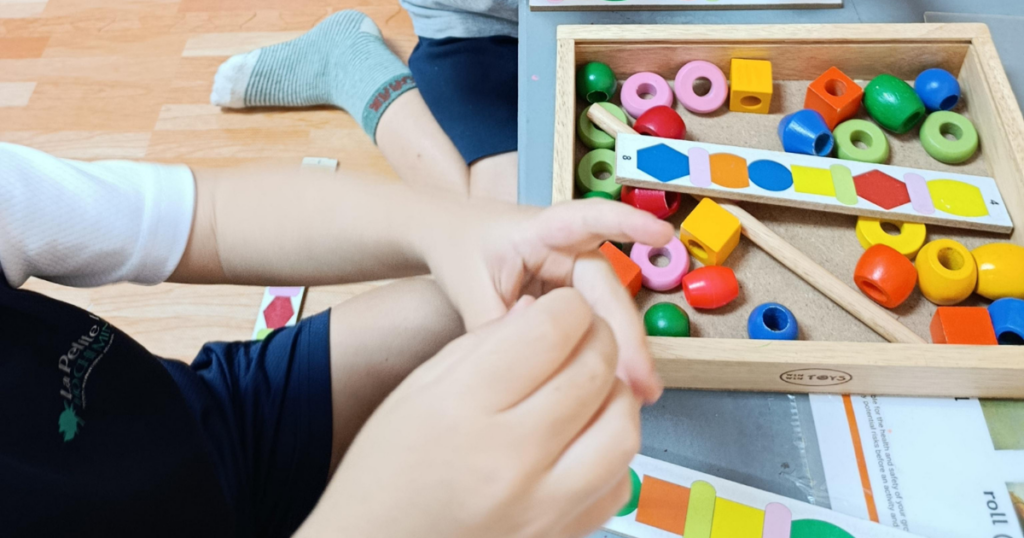
What Activities Improve Creativity?
A person sits in front of a blank page.
The cursor blinks.
Nothing happens.
The instinctive reaction is familiar.
“I need inspiration.”
But inspiration is rarely the beginning.
It is usually the result.
The result of movement.
Observation.
Experimentation.
Attention.
Creative people are often described as having something mysterious.
A gift.
A natural ability.
A unique imagination.
But creativity is not simply something a person possesses.
It is something a person practices.
A musician plays.
A writer writes.
A designer observes.
A scientist experiments.
Creativity grows through repeated interaction with the world.
The question is not:
“Where do creative ideas come from?”
A better question is:
“What activities create the conditions where creative ideas are more likely to appear?”
Because creativity is not a switch.
It is an environment.
A state of mind.
A relationship between curiosity and action.
Certain activities consistently strengthen creative thinking because they challenge the brain to form new connections.
They expand perspective.
They interrupt routine.
They create space for unexpected ideas.
The most creative people are not always searching for ideas.
They are creating conditions where ideas can find them.
Creativity Is a Practice, Not a Personality Trait
People often divide the world into creative people and non-creative people.
This division is misleading.
Creativity exists on a spectrum.
Everyone creates.
Everyone imagines.
Everyone solves problems.
The difference is often practice.
Some people regularly engage in activities that strengthen creative thinking.
Others rarely challenge their mental patterns.
Creativity behaves similarly to a muscle.
Not because the brain works exactly like a physical muscle.
But because repeated use changes capability.
Activities that encourage exploration strengthen creative habits.
They train attention.
They increase flexibility.
They develop the ability to see possibilities.
Creativity improves when it becomes part of daily behavior.
1. Free Writing: Training the Mind to Generate Ideas
One of the simplest creativity exercises is also one of the most powerful.
Write without editing.
Without judging.
Without trying to sound intelligent.
Just write.
Free writing removes the internal filter that often blocks creative expression.
Many people do not lack ideas.
They interrupt their ideas too early.
The mind produces a thought.
Immediately, another voice evaluates it.
“That's not good.”
“That is unrealistic.”
“That has already been done.”
The idea disappears.
Free writing creates a temporary separation between creation and evaluation.
First comes exploration.
Later comes refinement.
The process mirrors how many creative breakthroughs develop.
A rough idea appears.
It evolves.
It transforms.
It becomes something stronger.
2. Reading Widely: Expanding the Creative Library
Creativity depends on connection.
New ideas often emerge when existing ideas meet in unexpected ways.
Reading provides raw material.
A scientist reading philosophy may discover a new perspective.
A designer reading history may notice patterns.
A writer studying psychology may find new characters.
Creative minds collect.
They observe.
They absorb.
The goal is not simply acquiring information.
It is expanding the number of possible connections.
A narrow information environment produces predictable thinking.
A broad one creates possibility.
3. Walking: Allowing the Mind to Wander
Walking is one of the oldest creative activities.
There is something about physical movement that changes mental movement.
A walk removes a person from a fixed environment.
The body moves.
The mind loosens.
Ideas appear.
Many creative thinkers have used walking as part of their process because it creates a balance between focus and freedom.
The mind is active but not trapped.
Attention can drift.
Connections can form.
A difficult problem approached at a desk may suddenly appear clearer while walking down a street.
The solution was not created during the walk.
The conditions allowed the mind to uncover it.
4. Making Art Without Pressure
Creative activity does not always need a goal.
This is one of the hardest lessons for adults.
Children create naturally.
They draw.
Build.
Invent.
Pretend.
They rarely ask whether the activity will become useful.
Adults often attach purpose immediately.
Will this become something?
Will this make money?
Will this improve my skills?
Pressure changes creativity.
Sometimes the most valuable creative activities are those without expectations.
Painting without displaying.
Playing music without performing.
Writing without publishing.
Creating simply to explore.
These activities remind the brain that creation itself has value.
5. Learning a New Skill
New skills create new perspectives.
A person learning photography begins seeing light differently.
A person learning cooking begins understanding ingredients differently.
A person learning another language begins noticing patterns in communication.
Learning forces the brain into unfamiliar territory.
Unfamiliar territory encourages adaptation.
Creativity thrives when the mind encounters new information.
A new skill does not need to become a profession.
Its purpose is expansion.
The goal is not mastery.
The goal is exposure.
6. Traveling and Exploring New Environments
Creativity struggles inside repetition.
Familiar environments create predictable patterns.
New environments interrupt those patterns.
A different city.
A different culture.
A different neighborhood.
Even a different route home.
Novelty changes attention.
The brain notices details it usually ignores.
New sights.
Sounds.
Behaviors.
Ideas.
Travel does not automatically create creativity.
A person can visit a hundred places and remain unchanged.
The important element is attention.
Creative people observe deeply.
They notice what others pass by.
7. Having Meaningful Conversations
Ideas rarely exist alone.
They develop through exchange.
A conversation can introduce an unexpected perspective.
A question can reshape an assumption.
A disagreement can reveal a possibility.
Creative conversations are not simply about sharing opinions.
They are about exploring ideas.
The most valuable discussions often include people with different experiences.
Different knowledge.
Different ways of seeing.
Creativity grows when perspectives interact.
8. Practicing Observation
Creativity begins with noticing.
Many people see the same world.
Creative people often observe it differently.
Observation is a skill.
It can be practiced.
Spend time noticing:
-
How people behave
-
Patterns in nature
-
Details in ordinary objects
-
Changes in environments
-
Repeated human habits
A simple observation can become the seed of an idea.
Most creative work begins with paying attention.
9. Meditation and Quiet Reflection
The modern mind is rarely quiet.
Notifications.
Information.
Conversation.
Entertainment.
Constant input.
Creativity requires moments where input decreases.
Quiet reflection creates mental space.
Meditation is one method.
Others include sitting outside, journaling, or simply allowing moments of silence.
The goal is not empty thinking.
The goal is creating room for deeper thinking.
Ideas often appear when the mind is not forcing them.
10. Playing Games and Experimenting
Games encourage creativity because they involve systems.
Rules.
Challenges.
Possibilities.
Players constantly adapt.
They test strategies.
They imagine outcomes.
Creative thinking often develops through similar processes.
Experiment.
Observe results.
Adjust.
Try again.
Games also reduce the fear of failure.
A failed attempt is simply another move.
This mindset is valuable far beyond games.
Comparison Table: Activities That Improve Creativity
| Activity | Primary Creative Benefit | How It Strengthens Creativity |
|---|---|---|
| Free Writing | Idea generation | Reduces self-censorship and encourages exploration |
| Reading | Knowledge expansion | Creates new connections between concepts |
| Walking | Mental flexibility | Allows unconscious processing and reflection |
| Art Practice | Imagination | Builds comfort with experimentation |
| Learning Skills | Cognitive flexibility | Introduces unfamiliar patterns |
| Travel | Perspective expansion | Exposes the mind to new experiences |
| Conversation | Idea exchange | Combines different viewpoints |
| Observation | Awareness | Reveals hidden patterns |
| Meditation | Mental clarity | Creates space for reflection |
| Games | Experimentation | Encourages strategic and flexible thinking |
No single activity creates creativity.
The power comes from combination.
The Importance of Boredom
Boredom has gained an unfair reputation.
People often treat it as wasted time.
But boredom creates an opening.
When external stimulation decreases, the mind begins searching.
It creates.
Imagines.
Explores.
Many childhood creative moments occur during boredom.
A child invents a game because nothing else is happening.
An empty afternoon becomes an adventure.
Adults often eliminate boredom immediately.
A screen appears.
A distraction arrives.
The creative opportunity disappears.
Allowing moments of boredom can restore something important.
Mental independence.
Physical Exercise and Creative Thinking
The body influences the mind.
Physical activity affects mood, attention, and cognitive flexibility.
Exercise can create conditions where creative thinking becomes easier.
The activity itself matters less than the movement.
Running.
Swimming.
Cycling.
Dancing.
Walking.
Movement changes state.
A changed state can produce changed thinking.
Many creative insights arrive away from the place where the problem began.
Collaboration as a Creative Activity
Creativity is often misunderstood as solitary.
Some ideas require solitude.
Many require interaction.
Collaboration introduces friction.
Different opinions.
Different approaches.
Different assumptions.
This friction creates energy.
The goal is not agreement.
The goal is expansion.
A strong creative partnership does not eliminate differences.
It uses them.
A Lesson I Learned About Creativity
I once watched someone struggle with a creative problem for hours.
The person stayed focused.
Analyzed.
Repeated the same approach.
Nothing changed.
Eventually, they stepped away.
They went outside.
Walked.
Returned later.
The solution appeared almost immediately.
The interesting part was not that the walk created the answer.
The answer had already been developing.
The walk created the conditions where the mind could access it.
That experience changed how I think about creativity.
Sometimes the best way forward is not pushing harder.
Sometimes it is creating space.
Why Creative Activities Need Consistency
A single creative exercise rarely transforms thinking.
Creativity develops through repetition.
A musician improves by practicing.
A writer improves by writing.
A designer improves by designing.
Creative thinking follows the same principle.
Small actions repeated over time create significant change.
Five minutes of observation.
Ten minutes of writing.
A weekly exploration of something unfamiliar.
These habits accumulate.
Creativity is built through attention.
The Difference Between Consumption and Creation
Modern life provides endless opportunities for consumption.
Information.
Entertainment.
Content.
Ideas.
Consumption has value.
But creativity requires creation.
The difference is participation.
A person watching music videos experiences music.
A person learning an instrument participates in music.
A person viewing art experiences someone else's creation.
A person making art develops their own.
Creative ability grows through involvement.
Creativity Is About Seeing Possibility
Every creative activity shares one common element.
It expands possibility.
Writing creates possible worlds.
Science creates possible explanations.
Design creates possible solutions.
Music creates possible emotions.
Creativity asks:
“What else could exist?”
That question drives human progress.
The Real Secret Behind Improving Creativity
People often search for a hidden formula.
A special technique.
A perfect routine.
But creativity is less mysterious than it appears.
It grows through engagement.
Through curiosity.
Through attention.
Through experimentation.
The activities that improve creativity all share the same purpose.
They change how we interact with the world.
They make us notice more.
Question more.
Explore more.
Connect more.
Creativity is not waiting somewhere in the future.
It is built through what we repeatedly choose to do.
The person who reads widely begins seeing more connections.
The person who experiments begins discovering more possibilities.
The person who observes carefully begins noticing what others overlook.
Creative people are not necessarily people who have access to more ideas.
They are people who create more opportunities for ideas to appear.
Creativity is not a rare event.
It is a relationship.
A relationship between attention and imagination.
Between curiosity and action.
Between what exists and what could exist.
The activities we practice shape the way we see.
And the way we see shapes what we create.
- Arts
- Business
- Computers
- Παιχνίδια
- Health
- Κεντρική Σελίδα
- Kids and Teens
- Money
- News
- Personal Development
- Recreation
- Regional
- Reference
- Science
- Shopping
- Society
- Sports
- Бизнес
- Деньги
- Дом
- Досуг
- Здоровье
- Игры
- Искусство
- Источники информации
- Компьютеры
- Личное развитие
- Наука
- Новости и СМИ
- Общество
- Покупки
- Спорт
- Страны и регионы
- World

 English
 Russian
 French
 Spanish
 Portuguese
 Deutsch
 Turkish
 Dutch
Dutch
 Italiano
 Arabic
 Romaian
 Portuguese (Brazil)