
How Do I Track Memberships?
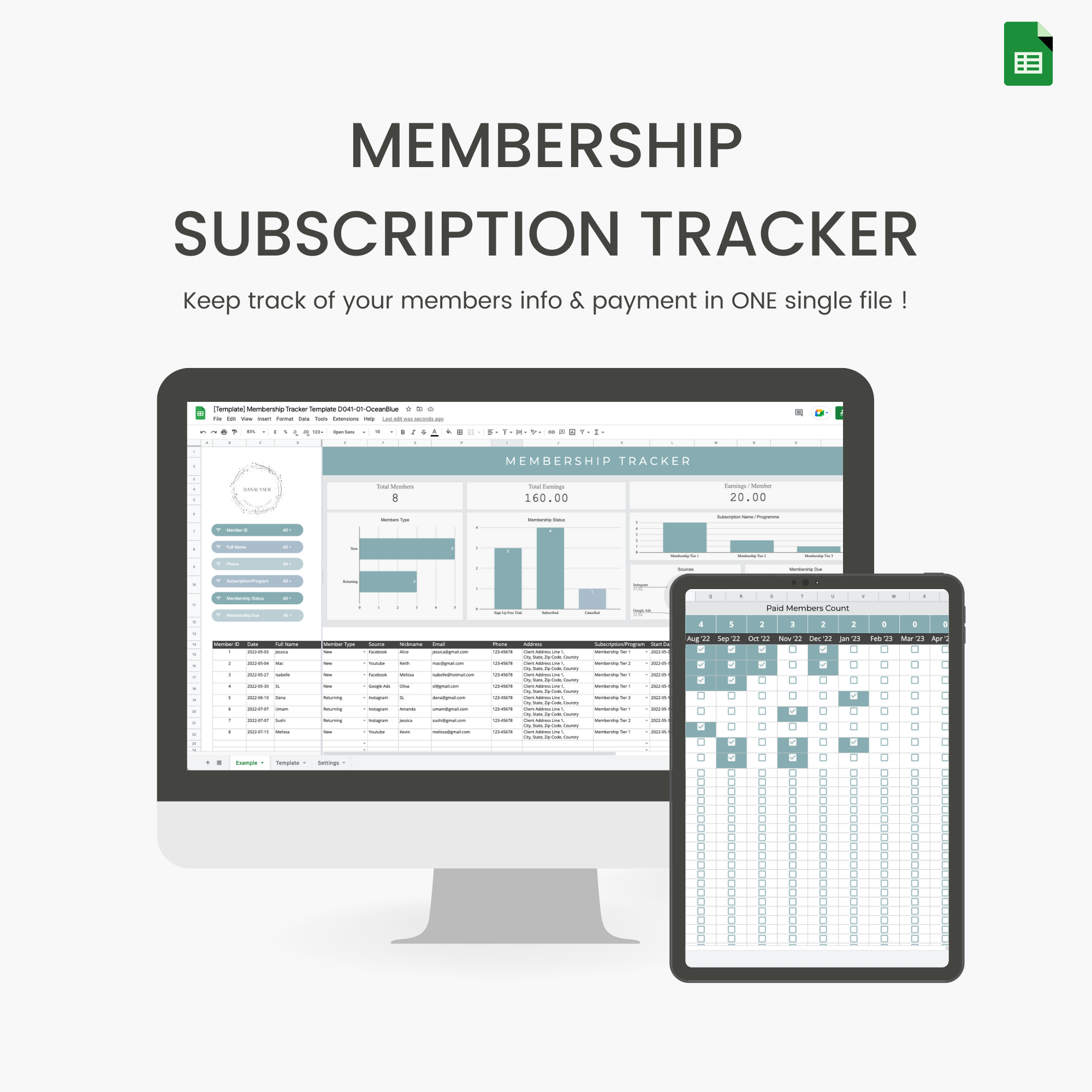
Most membership organizations believe they have a growth problem.
More often, they have a visibility problem.
They know how many members they have today.
They know how much revenue arrived last month.
They may even know how many new members joined during the quarter.
Yet ask a deeper question—
Which members are quietly disengaging?
Which activities predict renewal?
Which onboarding experiences produce long-term loyalty?
Which membership tier delivers the highest lifetime value?
—and the answers become far less certain.
That uncertainty is expensive.
Because membership organizations do not succeed simply by acquiring members.
They succeed by understanding them.
Tracking memberships, therefore, is not about maintaining a database.
It is about creating a living picture of every member relationship.
Done well, membership tracking helps organizations recognize patterns before they become problems.
It identifies opportunities before competitors do.
Most importantly, it transforms decisions from educated guesses into informed strategy.
The strongest membership organizations rarely have perfect information.
They simply know which information matters most.
Membership Tracking Is More Than Recordkeeping
Many organizations confuse tracking with administration.
They maintain names.
Addresses.
Renewal dates.
Payment histories.
Important information, certainly.
But incomplete.
Effective membership tracking answers questions that influence decisions.
Who joins?
Who stays?
Who leaves?
Who participates?
Who advocates?
Who quietly disappears without ever formally canceling?
The objective is not merely maintaining accurate records.
The objective is understanding the health of member relationships.
What Should You Track?
Organizations often collect enormous amounts of data.
The challenge is identifying which information genuinely improves decision-making.
Several categories consistently prove valuable.
Member Profile Information
Every organization needs reliable foundational records.
Typical information includes:
- Contact information
- Membership level
- Join date
- Renewal date
- Payment history
- Organization or employer
- Geographic location
These details create the foundation for segmentation and communication.
Engagement Activity
Membership exists beyond payment.
Tracking participation often provides stronger insights than tracking revenue alone.
Monitor activities such as:
- Event attendance
- Webinar participation
- Community discussions
- Volunteer involvement
- Committee service
- Course completion
- Resource downloads
- Website logins
Engagement often predicts renewal more accurately than demographic information.
Financial Metrics
Revenue remains essential.
Organizations should monitor:
- Membership dues
- Recurring payments
- Outstanding balances
- Average revenue per member
- Lifetime member value
Financial information supports budgeting while revealing opportunities for growth.
Communication Metrics
Member communication tells an important story.
Track:
- Email open rates
- Click-through rates
- Survey participation
- Content preferences
- Response rates
These signals indicate whether communication remains relevant.
Why Engagement Data Matters More Than You Think
Many organizations focus primarily on renewals.
Renewal matters.
But engagement often explains renewal.
Members who consistently participate tend to remain.
Those who gradually disengage frequently become renewal risks long before expiration notices arrive.
Participation creates emotional investment.
Investment strengthens commitment.
Commitment supports retention.
Tracking engagement allows organizations to intervene before relationships weaken.
The Most Important Membership Metrics
Not every metric deserves equal attention.
Several measurements consistently provide meaningful strategic insight.
Member Retention Rate
Retention measures the percentage of members who renew over a specific period.
High retention generally reflects sustained value.
Low retention often signals experience problems.
Churn Rate
Churn measures membership losses.
Understanding why members leave frequently proves more valuable than celebrating new acquisitions.
Member Lifetime Value
Lifetime value estimates the total revenue generated throughout a member relationship.
Organizations optimizing lifetime value often make better long-term decisions than those focused solely on acquisition.
Engagement Score
Many organizations create composite engagement scores based on participation across multiple activities.
For example:
- Event attendance
- Community participation
- Volunteer service
- Learning activity
- Resource usage
Higher engagement frequently correlates with stronger retention.
Renewal Rate by Segment
Not all members behave similarly.
Tracking renewals across different membership levels, industries, age groups, or tenure often reveals important patterns.
A Lesson I Learned About Membership Tracking
Several years ago, I worked with an association concerned about declining renewals.
Leadership immediately examined pricing.
Benefits.
Competition.
Reasonable places to begin.
Yet one simple analysis changed the conversation.
We compared renewal rates based on event participation.
The difference was remarkable.
Members who attended at least one event renewed at dramatically higher rates than those who never participated.
The organization had been measuring renewals.
It had not been measuring the behaviors that predicted renewals.
That insight reshaped the membership strategy.
Instead of focusing exclusively on renewal campaigns, the organization invested in increasing participation during members' first six months.
Renewal performance improved significantly.
The lesson has remained with me ever since.
The most valuable metrics often explain outcomes before those outcomes occur.
Tools for Tracking Memberships
Organizations track memberships using a variety of systems.
The appropriate solution depends on organizational size and complexity.
Spreadsheets
Smaller organizations often begin with spreadsheets.
Advantages include:
- Low cost
- Familiarity
- Simplicity
Limitations emerge quickly as membership grows.
Manual updates create errors.
Reporting becomes difficult.
Automation remains limited.
Membership Management Software
Dedicated membership platforms centralize member records while automating:
- Renewals
- Payments
- Event registration
- Communication
- Reporting
For growing organizations, specialized software often improves both efficiency and data quality.
Customer Relationship Management Systems
CRM platforms provide broader relationship management capabilities.
Organizations requiring advanced segmentation, workflows, and customization often choose CRM-based solutions.
Business Intelligence Dashboards
Larger organizations increasingly combine operational systems with reporting dashboards.
Dashboards provide real-time visibility into key performance indicators while supporting strategic decision-making.
Comparing Membership Tracking Methods
Choosing the right approach depends on organizational maturity.
| Tracking Method | Best For | Advantages | Limitations |
|---|---|---|---|
| Spreadsheet | Small organizations | Affordable and simple | Limited automation and reporting |
| Membership Software | Growing associations | Integrated member management | Monthly subscription costs |
| CRM Platform | Complex organizations | Advanced customization and analytics | Higher implementation complexity |
| Business Intelligence Dashboard | Large organizations | Executive reporting and forecasting | Requires quality underlying data |
The right technology matters.
The right strategy matters even more.
Why Data Without Action Has Limited Value
Tracking alone changes nothing.
Organizations create value when insights produce action.
Suppose engagement data reveals declining participation among new members.
Now what?
Perhaps onboarding requires improvement.
Perhaps communications need personalization.
Perhaps volunteer opportunities should arrive earlier.
Metrics identify opportunities.
Leadership determines the response.
Successful organizations consistently close this loop.
Measure.
Learn.
Improve.
Repeat.
Common Membership Tracking Mistakes
Even experienced organizations make avoidable errors.
Measuring Too Much
More information does not necessarily create better decisions.
Focus on metrics tied directly to organizational goals.
Ignoring Qualitative Feedback
Numbers reveal what happened.
Conversations often explain why.
Surveys.
Interviews.
Member conversations.
These insights complement quantitative reporting.
Reviewing Metrics Too Infrequently
Annual reporting often arrives too late.
Regular review allows organizations to respond before small problems become major challenges.
Treating Every Member Identically
Different members engage differently.
Tracking should support meaningful segmentation rather than uniform communication.
The Future of Membership Tracking
Membership analytics continue evolving.
Organizations increasingly use predictive models to identify:
- Renewal risk
- Engagement opportunities
- Personalization strategies
- Volunteer potential
- Upsell readiness
Artificial intelligence will continue expanding these capabilities.
Yet technology remains secondary.
The real objective has not changed.
Understanding people.
Helping them succeed.
Strengthening relationships.
Technology simply makes that understanding more accessible.
Tracking Relationships, Not Just Renewals
Perhaps the most important shift organizations can make is conceptual.
Stop thinking about membership tracking as administrative reporting.
Start viewing it as relationship intelligence.
Every interaction tells part of a larger story.
Every event attended.
Every course completed.
Every volunteer hour.
Every survey response.
Every renewal.
Together, these moments reveal the health of the membership experience.
Organizations paying attention can respond thoughtfully.
Organizations that ignore those signals often react too late.
The Question Every Membership Leader Should Ask
Many organizations ask:
"How many members do we have?"
A useful question.
But not the most revealing one.
A better question is:
How well do we understand the people behind those membership numbers?
Because successful membership organizations do not simply count members.
They understand behaviors.
Recognize patterns.
Strengthen relationships.
They know who is thriving.
Who needs encouragement.
Who is becoming more engaged.
Who may quietly drift away.
Tracking memberships is ultimately not about managing information.
It is about managing trust.
The stronger your understanding of members, the easier it becomes to deliver meaningful experiences, anticipate changing needs, and create value that continues year after year.
Membership numbers may describe the organization.
Relationship insights determine its future.
- Arts
- Business
- Computers
- الألعاب
- Health
- الرئيسية
- Kids and Teens
- مال
- News
- Personal Development
- Recreation
- Regional
- Reference
- Science
- Shopping
- Society
- Sports
- Бизнес
- Деньги
- Дом
- Досуг
- Здоровье
- Игры
- Искусство
- Источники информации
- Компьютеры
- Личное развитие
- Наука
- Новости и СМИ
- Общество
- Покупки
- Спорт
- Страны и регионы
- World

 English
 Russian
 French
 Spanish
 Portuguese
 Deutsch
 Turkish
 Dutch
Dutch
 Italiano
 Romaian
 Portuguese (Brazil)
 Greek
Greek