
Why is income inequality increasing?
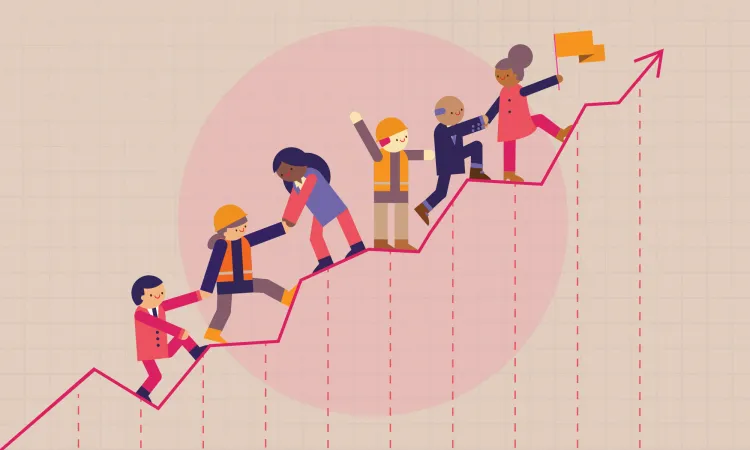
Why Is Income Inequality Increasing?
Income inequality has become one of the defining economic and social issues of the 21st century. In many countries, the gap between the wealthiest individuals and the rest of the population has widened over the past several decades. While economic growth has increased overall prosperity, its benefits have often been distributed unevenly. As a result, some people have experienced rising incomes and wealth, while others have struggled with stagnant wages and limited economic opportunities.
Understanding why income inequality is increasing requires examining several interconnected factors, including technological change, globalization, education, labor market trends, government policies, and wealth accumulation.
What Is Income Inequality?
Income inequality refers to the unequal distribution of income among individuals or households within an economy. In societies with high income inequality, a relatively small percentage of people earn a large share of total income, while many others earn significantly less.
Although some level of inequality naturally exists due to differences in skills, education, and occupations, excessive inequality can create economic and social challenges.
Technological Advances Favor High-Skilled Workers
One major reason income inequality has increased is rapid technological progress. Automation, artificial intelligence, and digital technologies have transformed many industries.
Technology often increases demand for workers with advanced education and specialized technical skills. These employees typically earn higher salaries because their expertise is valuable and difficult to replace.
At the same time, automation has replaced many routine and repetitive jobs in manufacturing, administration, and retail. Workers displaced by technology may find it difficult to secure equally well-paying employment, leading to wider income gaps.
Globalization Has Changed Labor Markets
Globalization has connected economies around the world, allowing businesses to trade internationally and relocate production where costs are lower.
This has produced many economic benefits, including lower prices for consumers and expanded global markets. However, it has also contributed to rising inequality in some countries.
Manufacturing jobs that once provided stable middle-class incomes have increasingly moved to countries with lower labor costs. Workers in higher-cost countries often face job losses or downward pressure on wages, while highly educated professionals who can compete globally often see their incomes rise.
Education Creates Income Differences
Education remains one of the strongest predictors of income.
Workers with college degrees or advanced professional qualifications generally earn significantly more than those with lower levels of education. As economies become increasingly knowledge-based, employers place greater value on specialized skills.
Unfortunately, access to quality education is not equal for everyone. Families with higher incomes often have greater access to excellent schools, tutoring, and higher education opportunities. This can create a cycle in which economic advantages are passed from one generation to the next.
Wage Growth Has Slowed for Many Workers
In many countries, average worker productivity has continued to increase, but wage growth has not kept pace.
Several factors contribute to this trend:
-
Reduced bargaining power of workers.
-
Declining union membership in some industries.
-
Increased use of temporary and contract employment.
-
Greater competition from global labor markets.
As a result, many workers produce more value than before but receive only modest increases in pay, while company profits and executive compensation continue to rise.
Rising Returns to Capital
Income comes from two primary sources: labor and capital.
Labor income includes wages and salaries, while capital income comes from investments such as stocks, real estate, and businesses.
People who already own significant assets often benefit from rising investment values and dividend payments. Since wealthier individuals typically own more financial assets, they receive a growing share of national income through capital gains.
This creates a feedback loop where wealth generates additional wealth, making it increasingly difficult for lower-income households to catch up.
Executive Compensation Has Increased
Compensation for senior executives has risen dramatically in many large corporations.
Executive pay packages often include bonuses, stock options, and performance incentives that can amount to millions of dollars annually. Meanwhile, wage increases for average employees have generally been much smaller.
Supporters argue that high executive compensation reflects the value of leadership and business performance. Critics believe it contributes significantly to widening income inequality.
Tax and Government Policies
Government policies have a substantial influence on income distribution.
Changes in tax systems, public spending, and social welfare programs can either reduce or increase inequality.
Policies that may contribute to higher inequality include:
-
Lower taxes on high-income earners.
-
Reduced taxes on investment income.
-
Cuts to social assistance programs.
-
Limited investment in public education and healthcare.
Conversely, progressive taxation, social safety nets, affordable education, and workforce training programs can help reduce inequality.
Declining Union Influence
Labor unions have traditionally helped workers negotiate higher wages, improved working conditions, and better benefits.
In several countries, union membership has declined over recent decades. With fewer workers covered by collective bargaining agreements, employees often have less negotiating power, particularly in lower-paying occupations.
This can contribute to slower wage growth and wider income disparities.
Housing and Asset Prices
Housing prices and financial markets have increased substantially in many regions.
People who already own homes, stocks, or investment properties often benefit from rising asset values. Those without assets may struggle to afford housing or accumulate wealth.
Young adults and lower-income families frequently face greater challenges entering the housing market, making wealth inequality even more pronounced.
The Impact of the COVID-19 Pandemic
The COVID-19 pandemic highlighted existing inequalities while creating new ones.
Many high-income professionals were able to continue working remotely, while lower-income workers in hospitality, retail, transportation, and service industries experienced layoffs or reduced hours.
Meanwhile, financial markets recovered relatively quickly, increasing the wealth of individuals who owned stocks and other investments.
Although many governments introduced emergency support programs, the pandemic accelerated wealth accumulation for some groups while increasing financial hardship for others.
Why Increasing Inequality Matters
High levels of income inequality can affect society in several ways:
-
Reduced social mobility.
-
Higher poverty rates.
-
Lower consumer spending.
-
Increased political and social tensions.
-
Unequal access to education and healthcare.
-
Slower long-term economic growth in some cases.
When large segments of the population have limited opportunities to improve their financial situation, overall economic potential may also suffer.
Can Income Inequality Be Reduced?
There is no single solution, but many economists suggest a combination of policies can help narrow income gaps while maintaining economic growth.
Possible approaches include:
-
Expanding access to quality education and job training.
-
Investing in early childhood education.
-
Supporting workforce development.
-
Encouraging innovation while protecting displaced workers.
-
Strengthening social safety nets.
-
Promoting fair labor standards.
-
Designing balanced tax policies.
-
Increasing affordable housing opportunities.
The most effective policies vary depending on each country's economy, labor market, and political priorities.
Conclusion
Income inequality is increasing because of a combination of technological change, globalization, education disparities, shifting labor markets, rising returns on capital, government policies, and unequal access to wealth-building opportunities. While these forces have generated significant economic growth, they have also concentrated income and wealth among certain groups.
Addressing income inequality does not necessarily mean eliminating differences in earnings. Instead, it involves creating greater opportunities for people from all backgrounds to participate in economic growth, develop valuable skills, and achieve financial security. Balanced policies that encourage innovation while expanding access to education, employment, and wealth-building opportunities can help create a more inclusive and sustainable economy.
- Arts
- Business
- Computers
- Oyunlar
- Health
- Home
- Kids and Teens
- Money
- News
- Personal Development
- Recreation
- Regional
- Reference
- Science
- Shopping
- Society
- Sports
- Бизнес
- Деньги
- Дом
- Досуг
- Здоровье
- Игры
- Искусство
- Источники информации
- Компьютеры
- Личное развитие
- Наука
- Новости и СМИ
- Общество
- Покупки
- Спорт
- Страны и регионы
- World

 English
 Russian
 French
 Spanish
 Portuguese
 Deutsch
 Dutch
Dutch
 Italiano
 Arabic
 Romaian
 Portuguese (Brazil)
 Greek
Greek