
What is income inequality?
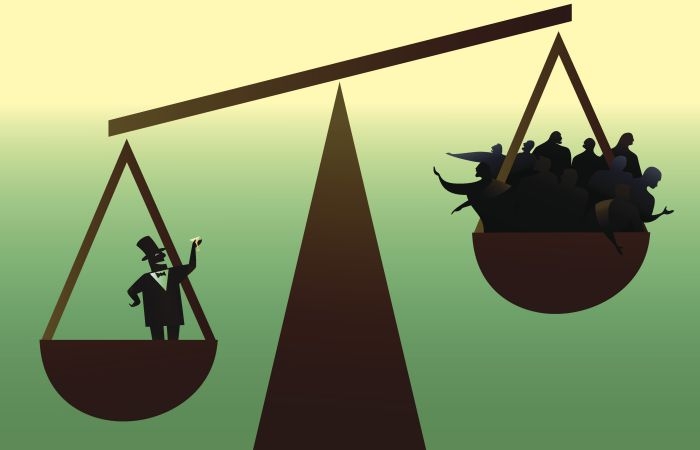
What Is Income Inequality?
Income inequality refers to the uneven distribution of income among individuals or households within a country, region, or society. In every economy, people earn different amounts based on factors such as their occupation, education, skills, experience, and investments. However, when the gap between high-income and low-income earners becomes very large, it is known as income inequality.
Income inequality has become one of the most widely discussed economic and social issues in recent decades. While some level of inequality is considered natural in a market economy, excessive inequality can affect economic growth, social stability, and the overall quality of life.
Understanding Income Inequality
Income includes wages, salaries, business profits, dividends, rental income, pensions, and government benefits. Income inequality measures how these earnings are distributed across the population.
For example, if the top 10% of earners receive 50% of a country's total income while the bottom 50% receive only 15%, the country has a relatively high level of income inequality.
The issue is not simply that some people earn more than others. Rather, it concerns whether income differences become so extreme that they limit opportunities for others and create economic or social problems.
How Income Inequality Is Measured
Economists use several methods to measure income inequality.
Gini Coefficient
The Gini coefficient is the most common measure. It ranges from:
-
0 – Perfect equality, where everyone earns exactly the same income.
-
1 (or 100%) – Perfect inequality, where one person earns all the income.
Most countries fall somewhere between 0.25 and 0.60.
Income Shares
Another method examines how much income is earned by different groups, such as:
-
Top 1%
-
Top 10%
-
Middle 40%
-
Bottom 50%
These comparisons help show whether wealth is concentrated among a small portion of the population.
Poverty Rates
Although poverty and inequality are different concepts, poverty rates often help explain the effects of unequal income distribution.
Causes of Income Inequality
Income inequality develops for many reasons, often involving economic, educational, technological, and political factors.
1. Differences in Education
People with higher education or specialized skills generally earn higher wages. Those with limited education may have fewer job opportunities and lower incomes.
2. Technological Change
Technology has increased demand for highly skilled workers while reducing demand for some routine jobs through automation.
As businesses adopt artificial intelligence, robotics, and software, workers without advanced skills may struggle to maintain competitive wages.
3. Globalization
International trade allows companies to access global markets and lower production costs.
While globalization creates new opportunities, it can also reduce demand for certain domestic jobs, especially in manufacturing, leading to wage differences.
4. Labor Market Conditions
Strong labor unions, minimum wage laws, and worker protections can reduce inequality by increasing wages for lower-income workers.
In contrast, weaker bargaining power may contribute to wider income gaps.
5. Capital Income
People who own stocks, real estate, or businesses often earn investment income in addition to wages.
Over time, investment returns can increase wealth much faster than employment income alone.
6. Tax Policies
Government tax systems influence income distribution.
Progressive tax systems require higher-income individuals to pay a larger percentage of their income in taxes, helping reduce inequality through redistribution.
Effects of Income Inequality
Income inequality affects both individuals and society.
Positive Effects
Some economists argue that moderate inequality can encourage innovation and productivity.
Potential benefits include:
-
Motivation to improve skills
-
Incentives for entrepreneurship
-
Rewards for innovation
-
Greater investment in education
People may work harder when higher earnings are possible.
Negative Effects
Excessive inequality can create several challenges.
Reduced Economic Mobility
Children from low-income families may have limited access to quality education, healthcare, and professional opportunities.
This makes it harder for them to improve their economic status.
Slower Economic Growth
When a large share of income goes to wealthy households, consumer spending may grow more slowly because lower-income households tend to spend a greater proportion of their earnings.
Reduced spending can weaken demand for goods and services.
Increased Poverty
Large income gaps often coincide with higher poverty levels, making it difficult for many families to afford basic necessities.
Social Tension
Significant inequality may contribute to:
-
Political polarization
-
Crime
-
Social unrest
-
Reduced trust in institutions
Health Differences
Lower-income populations often experience poorer health outcomes due to limited access to healthcare, healthy food, and safe living conditions.
Income Inequality vs. Wealth Inequality
Although the terms are often used together, they are different.
Income inequality refers to differences in earnings over a period, such as monthly or yearly income.
Wealth inequality refers to differences in accumulated assets, including:
-
Savings
-
Homes
-
Investments
-
Businesses
-
Retirement accounts
A person may have a moderate income but significant wealth built over many years.
Factors That Can Reduce Income Inequality
Governments and organizations use various approaches to narrow income gaps.
Progressive Taxation
Higher tax rates on larger incomes help fund public services and social programs.
Education
Investing in affordable, high-quality education improves job opportunities and earning potential.
Job Training
Workforce development programs help workers gain skills needed in changing industries.
Minimum Wage Policies
Increasing minimum wages may raise incomes for lower-paid workers, although economists continue to debate the long-term effects.
Social Safety Nets
Programs such as unemployment benefits, healthcare assistance, food support, and pensions help reduce financial hardship.
Equal Employment Opportunities
Policies that reduce discrimination and improve workplace access can increase income fairness.
Is Income Inequality Always Bad?
Not necessarily.
Some inequality naturally exists because individuals differ in education, experience, effort, and career choices. Many economists believe that some income differences encourage productivity and innovation.
The concern arises when inequality becomes excessive and limits equal opportunities. If large portions of society cannot access education, healthcare, or quality employment, economic growth may slow, and social divisions may deepen.
Therefore, policymakers often aim not to eliminate inequality entirely but to ensure that everyone has a fair opportunity to succeed.
Global Differences
Income inequality varies widely across countries.
Some nations maintain relatively low inequality through:
-
Strong public education
-
Progressive taxation
-
Universal healthcare
-
Comprehensive social welfare systems
Others experience higher inequality due to differences in labor markets, economic development, taxation, or access to education.
Developing countries may also face greater inequality because economic growth is concentrated in certain industries or regions.
Conclusion
Income inequality describes how unevenly income is distributed among people within a society. While differences in earnings are a normal feature of market economies, extremely large income gaps can create economic and social challenges, including reduced mobility, higher poverty, and slower long-term growth.
Governments, businesses, and educational institutions all play important roles in addressing income inequality through policies that expand opportunity, improve access to education, encourage fair labor practices, and support sustainable economic development. The goal is not necessarily equal incomes for everyone, but a society where individuals have a fair chance to improve their financial well-being regardless of their background.
- Arts
- Business
- Computers
- Jocuri
- Health
- Home
- Kids and Teens
- Money
- News
- Personal Development
- Recreation
- Regional
- Reference
- Science
- Shopping
- Society
- Sports
- Бизнес
- Деньги
- Дом
- Досуг
- Здоровье
- Игры
- Искусство
- Источники информации
- Компьютеры
- Личное развитие
- Наука
- Новости и СМИ
- Общество
- Покупки
- Спорт
- Страны и регионы
- World

 English
 Russian
 French
 Spanish
 Portuguese
 Deutsch
 Turkish
 Dutch
Dutch
 Italiano
 Arabic
 Portuguese (Brazil)
 Greek
Greek