
What Is PaaS? Understanding Platform as a Service and Why It Matters
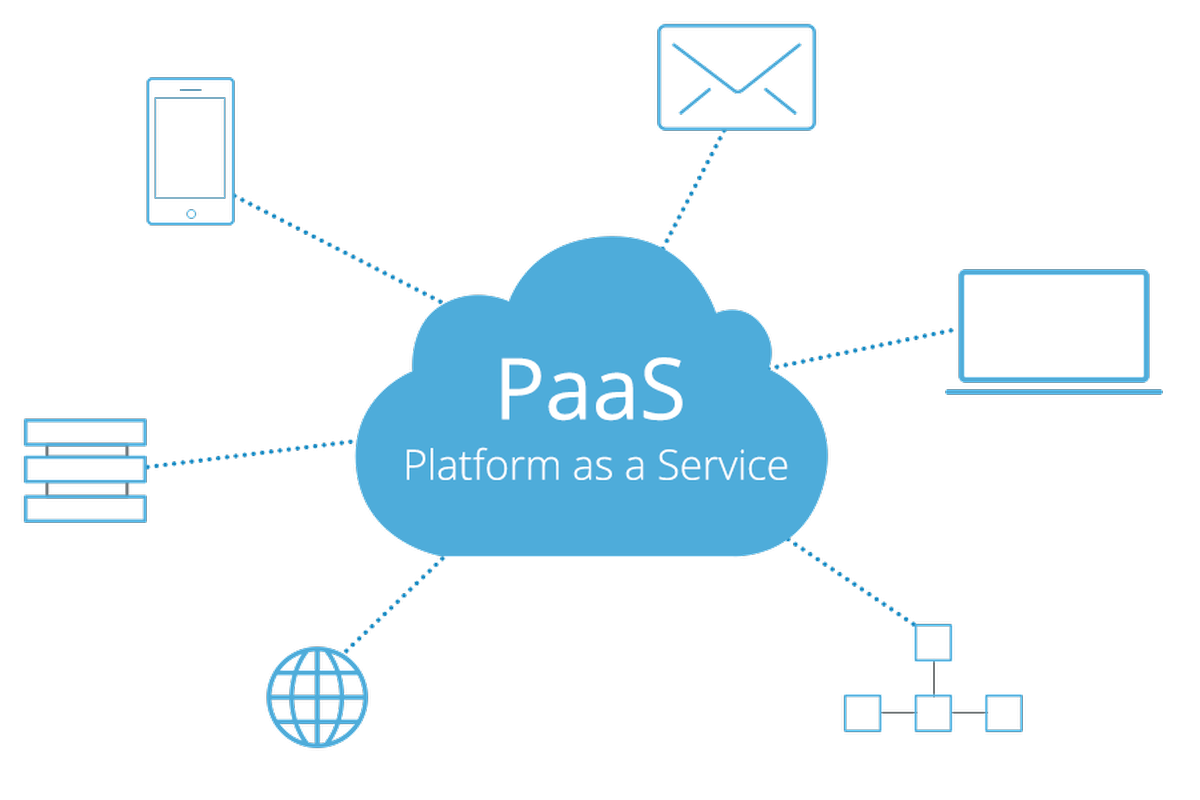
The first time someone explained Platform as a Service (PaaS) to me, they started with servers.
They described operating systems, middleware, runtime environments, databases, and deployment pipelines. Technically, everything they said was accurate.
It was also completely forgettable.
A few months later, while working with a software startup preparing to launch a customer-facing application, I finally understood what PaaS actually represented. The development team wasn't excited because someone had given them another cloud product. They were excited because they had stopped worrying about maintaining infrastructure and started spending more time building features their customers actually wanted.
That was the moment the concept clicked.
PaaS isn't fundamentally about servers.
It's about focus.
It allows developers to spend less time managing technology and more time creating value.
That distinction explains why Platform as a Service has become an essential component of modern software development. Organizations no longer compete based on who configures servers the fastest. They compete by delivering better digital experiences, introducing new capabilities quickly, and responding to customer feedback with greater agility.
PaaS exists to support those goals.
What Is Platform as a Service?
Platform as a Service, commonly abbreviated as PaaS, is a cloud computing model that provides developers with a complete environment for building, testing, deploying, and managing applications without requiring them to maintain the underlying infrastructure.
Instead of purchasing servers, installing operating systems, configuring databases, and managing networking equipment, development teams access these capabilities through a cloud platform.
The cloud provider manages the infrastructure.
Developers focus on the application.
This division of responsibility significantly reduces operational complexity.
Why PaaS Exists
Building software involves far more than writing code.
Development teams also need:
- Computing resources
- Storage
- Databases
- Security controls
- Development frameworks
- Monitoring tools
- Deployment pipelines
- Scalability mechanisms
Historically, organizations managed much of this infrastructure internally.
That approach consumed considerable time, financial resources, and technical expertise.
PaaS changes the equation.
Instead of assembling every component independently, organizations receive an integrated development environment delivered as a cloud service.
The result is greater speed and operational simplicity.
How PaaS Works
A Platform as a Service provider manages the technical foundation supporting application development.
Developers typically interact with:
- Application development tools
- Programming frameworks
- Databases
- Runtime environments
- APIs
- Continuous integration and deployment services
- Security features
- Monitoring dashboards
Behind the scenes, the provider handles infrastructure maintenance, software updates, hardware reliability, and system availability.
Developers rarely need to think about physical servers.
They simply build.
Comparing PaaS with Other Cloud Models
| Cloud Model | Customer Manages | Cloud Provider Manages | Best For |
|---|---|---|---|
| On-Premises Infrastructure | Everything | Nothing | Organizations requiring complete control |
| Infrastructure as a Service (IaaS) | Operating systems, applications, middleware, data | Physical infrastructure, networking, virtualization | Maximum infrastructure flexibility |
| Platform as a Service (PaaS) | Applications and data | Infrastructure, operating systems, runtime, middleware, development platform | Faster software development |
| Software as a Service (SaaS) | Application configuration and usage | Entire application and infrastructure | End users consuming software |
PaaS occupies the middle ground.
Organizations retain control over application development while outsourcing much of the underlying operational complexity.
My Perspective Changed During a Product Launch
Several years ago, I worked with a growing technology company preparing to launch a new customer portal.
The leadership team initially believed infrastructure planning would consume much of the project timeline.
Instead, they adopted a PaaS solution.
What surprised me wasn't the technology itself.
It was how the conversations changed.
Instead of discussing server capacity, software patches, and hardware procurement, meetings focused on customer onboarding, user experience, and product improvements.
The platform had quietly shifted attention toward business outcomes.
That experience reinforced an important lesson.
Technology creates the greatest value when it becomes less visible.
The fewer resources organizations devote to routine infrastructure management, the more energy they can invest in solving customer problems.
Advantages of Platform as a Service
PaaS offers several significant business benefits.
Faster Development
Development environments can often be provisioned within minutes rather than weeks.
Teams spend less time preparing infrastructure and more time writing software.
Lower Operational Complexity
Cloud providers manage updates, security patches, hardware maintenance, and system reliability.
Internal IT teams face fewer routine administrative responsibilities.
Scalability
Applications can often expand automatically as customer demand increases.
Organizations avoid purchasing excess hardware in anticipation of future growth.
Cost Efficiency
Instead of investing heavily in physical infrastructure, businesses typically pay only for the resources they consume.
This improves financial flexibility.
Collaboration
Distributed development teams frequently access shared cloud environments regardless of physical location.
Standardized platforms simplify collaboration across projects.
Common PaaS Features
Although platforms vary, many provide:
- Application hosting
- Managed databases
- Integrated development environments
- Version control integration
- Automated deployment pipelines
- Monitoring and analytics
- Identity and access management
- Backup and disaster recovery tools
These capabilities reduce the need for organizations to assemble multiple independent systems.
Potential Challenges
PaaS is not appropriate for every situation.
Organizations should also evaluate potential limitations.
Vendor Dependence
Applications may become closely integrated with provider-specific services.
Migrating between platforms can require additional effort.
Customization Constraints
Some highly specialized workloads require infrastructure configurations beyond standard platform offerings.
Compliance Considerations
Organizations operating in highly regulated industries should carefully evaluate security, privacy, and regulatory requirements before selecting a platform.
Cost Growth
Although initial costs may remain relatively low, expenses can increase as applications scale.
Effective resource management remains important.
Industries Benefiting from PaaS
Platform as a Service supports organizations across numerous sectors.
Healthcare organizations develop patient portals.
Financial institutions create secure customer applications.
Retail companies launch e-commerce platforms.
Educational organizations build online learning systems.
Manufacturers develop operational dashboards.
Government agencies modernize public services.
The common objective remains consistent.
Accelerate software development while reducing infrastructure complexity.
Artificial Intelligence Is Expanding PaaS Capabilities
Modern PaaS offerings increasingly include artificial intelligence services.
Developers can integrate:
- Natural language processing
- Image recognition
- Predictive analytics
- Recommendation engines
- Speech recognition
- Machine learning models
Rather than building these capabilities from scratch, development teams often access them through platform services.
This significantly reduces implementation effort while accelerating innovation.
Choosing the Right PaaS Solution
Organizations evaluating PaaS should consider several questions.
Does the platform support preferred programming languages?
Can it integrate with existing systems?
Does it meet regulatory requirements?
How effectively does it scale?
What security capabilities are included?
How transparent is pricing?
Selecting a platform involves balancing technical requirements with long-term business strategy.
The most technically sophisticated solution is not always the best organizational fit.
Why PaaS Matters Beyond Technology
Platform as a Service is often described as a cloud infrastructure model.
That description is technically correct.
It is also incomplete.
Its broader significance lies in how it changes organizational priorities.
When development teams spend less time maintaining infrastructure, they gain more capacity to improve customer experiences.
Businesses release new features more rapidly.
Software evolves continuously rather than through infrequent major releases.
Innovation becomes part of daily operations rather than occasional transformation initiatives.
PaaS therefore influences far more than technical architecture.
It affects organizational agility.
Conclusion: PaaS Enables Organizations to Focus on What Matters Most
Platform as a Service is not simply another category of cloud computing.
It represents a shift in how software is created, managed, and delivered.
Rather than investing significant resources maintaining servers, configuring operating systems, and managing runtime environments, organizations increasingly delegate those responsibilities to trusted cloud providers.
That shift creates more than operational efficiency.
It creates opportunity.
Developers devote greater attention to solving customer problems.
Business leaders accelerate product innovation.
Organizations respond more quickly to changing market conditions.
Ultimately, the greatest value of PaaS is not that it simplifies infrastructure.
It is that it allows businesses to concentrate on the work customers actually notice.
Very few users remember which cloud platform supports an application.
They remember whether the application solves their problem.
Platform as a Service helps organizations spend more time creating those memorable experiences—and less time maintaining the machinery behind them.
- Arts
- Business
- Computers
- Spellen
- Health
- Home
- Kids and Teens
- Money
- News
- Personal Development
- Recreation
- Regional
- Reference
- Science
- Shopping
- Society
- Sports
- Бизнес
- Деньги
- Дом
- Досуг
- Здоровье
- Игры
- Искусство
- Источники информации
- Компьютеры
- Личное развитие
- Наука
- Новости и СМИ
- Общество
- Покупки
- Спорт
- Страны и регионы
- World

 English
 Russian
 French
 Spanish
 Portuguese
 Deutsch
 Turkish
 Italiano
 Arabic
 Romaian
 Portuguese (Brazil)
 Greek
Greek