
What percentage of wealth does the top 1% own?
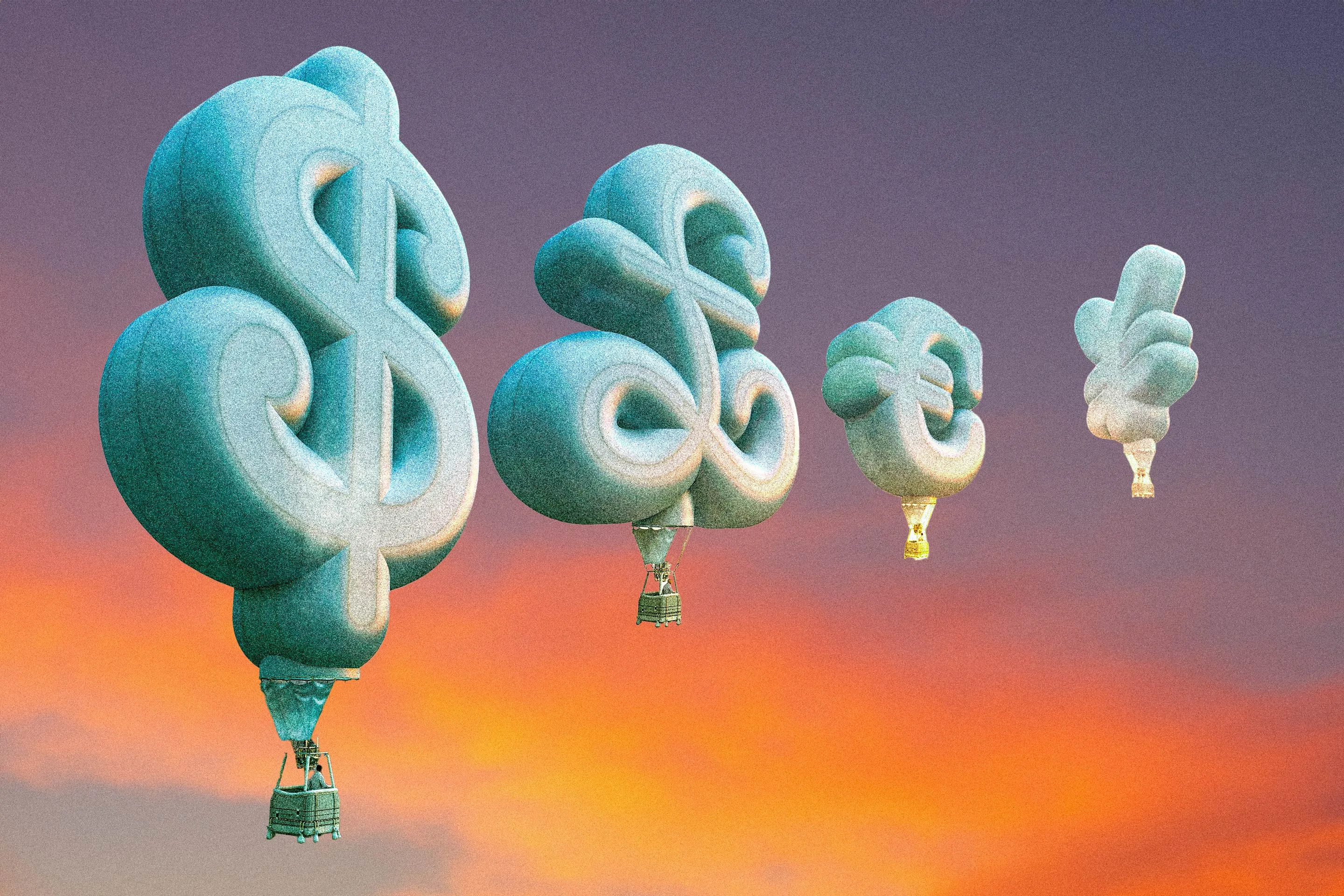
What Percentage of Wealth Does the Top 1% Own?
Wealth inequality has become one of the defining economic issues of the 21st century. Discussions about housing affordability, investment opportunities, taxation, and social mobility often lead to one question: What percentage of wealth does the top 1% own? While the exact figure varies depending on the country and the source of the data, one thing is clear—the wealthiest 1% control a remarkably large share of global and national wealth.
This article explains how much wealth the top 1% own, why wealth is so concentrated, how it differs from income inequality, and what the implications are for society.
The Short Answer
Globally, the top 1% of adults own approximately 40–45% of the world's wealth, according to estimates from international wealth reports. Although the precise percentage changes from year to year because of fluctuations in asset prices and economic growth, the top 1% consistently own far more wealth than the remaining 99% combined on a per-person basis.
The concentration is even greater in some countries. In the United States, for example, the top 1% own around 30–35% of total household wealth, depending on the data source and year measured.
Understanding Wealth
Before looking deeper into the numbers, it is important to understand what economists mean by wealth.
Wealth refers to a person's net worth, which is calculated as:
Wealth = Assets − Liabilities
Assets include:
-
Cash and savings
-
Stocks and bonds
-
Real estate
-
Retirement accounts
-
Businesses
-
Valuable collectibles
Liabilities include:
-
Mortgages
-
Student loans
-
Credit card debt
-
Personal loans
Someone with a high income is not necessarily wealthy if they also carry significant debt. Likewise, someone with moderate income may accumulate substantial wealth through decades of saving and investing.
Wealth vs. Income
People often confuse wealth inequality with income inequality, but they measure different things.
Income is the money earned during a specific period, such as wages, salaries, dividends, or business profits.
Wealth is everything a person owns after subtracting debts.
Because wealth accumulates over time and can generate additional returns through investments, wealth inequality tends to be much greater than income inequality.
For example:
-
A doctor earning $300,000 annually has a high income.
-
A retired investor with $20 million in investments may have a lower annual income but significantly greater wealth.
Global Wealth Distribution
Global wealth is distributed very unevenly.
A simplified picture looks like this:
-
Top 1%: Own roughly 40–45% of global wealth.
-
Top 10%: Own approximately 75–80%.
-
Bottom 50%: Own less than 2% of global wealth.
This means that billions of people collectively own only a tiny fraction of the world's assets, while a relatively small number of wealthy individuals control a large share of financial and physical resources.
Why Does the Top 1% Own So Much?
Several economic forces contribute to wealth concentration.
1. Investment Returns
Wealth generates additional wealth.
People with large investment portfolios earn returns from:
-
Stock market appreciation
-
Dividends
-
Rental income
-
Business profits
-
Capital gains
These returns compound over time, allowing wealth to grow much faster than wages.
2. Inheritance
Many wealthy families pass assets from one generation to the next.
Inherited wealth can include:
-
Homes
-
Businesses
-
Investment portfolios
-
Land
-
Trust funds
This allows wealth to remain concentrated across generations.
3. Rising Asset Prices
Over the past several decades, prices of stocks and real estate have risen dramatically in many countries.
Households that already owned these assets became substantially wealthier, while those without investments often saw little benefit.
4. Unequal Saving Capacity
Higher-income households generally save a much larger portion of their earnings.
Greater savings allow them to:
-
Invest more
-
Purchase appreciating assets
-
Benefit from compound growth
Lower-income households often spend most of their income on necessities, leaving little available for investing.
5. Business Ownership
Many members of the top 1% own successful businesses.
Entrepreneurs who build valuable companies can accumulate wealth worth millions or even billions of dollars, particularly if their firms become publicly traded.
Why Wealth Inequality Has Increased
Many developed countries have experienced rising wealth inequality since the 1980s.
Several trends have contributed:
-
Strong growth in stock markets
-
Increasing home values
-
Globalization
-
Technological innovation
-
Lower taxation of capital gains in some countries
-
Higher executive compensation
-
Expansion of financial markets
These factors have generally benefited households that already owned financial assets.
Differences Between Countries
The share of wealth owned by the top 1% varies significantly around the world.
Countries with relatively higher wealth concentration include:
-
United States
-
Brazil
-
Russia
-
India
-
South Africa
Countries with somewhat lower concentrations include:
-
Japan
-
Belgium
-
Norway
-
Finland
Government policies, tax systems, housing markets, pension systems, and inheritance laws all influence how wealth is distributed.
Is Wealth Inequality Always Bad?
Economists disagree about how much wealth inequality is desirable.
Potential Benefits
Supporters argue that wealth concentration can:
-
Encourage entrepreneurship
-
Reward innovation
-
Promote investment
-
Increase economic growth
-
Finance new businesses and technologies
Successful entrepreneurs often create products, jobs, and services that benefit society.
Potential Drawbacks
Critics argue that excessive wealth concentration can:
-
Reduce economic mobility
-
Increase political influence among the wealthy
-
Limit opportunities for lower-income families
-
Increase housing costs
-
Widen educational gaps
-
Reduce social cohesion
Many economists believe that some inequality is inevitable in market economies but debate how much becomes harmful.
How Wealth Is Measured
Measuring wealth is challenging because many assets are difficult to value.
Researchers combine data from:
-
Household surveys
-
Tax records
-
Financial disclosures
-
Property records
-
National accounts
-
Investment statistics
Private businesses, artwork, offshore assets, and luxury collectibles can be especially difficult to estimate, meaning published figures are best viewed as informed estimates rather than exact counts.
Can Wealth Inequality Be Reduced?
Governments use a variety of policies to reduce wealth inequality.
Examples include:
-
Progressive taxation
-
Estate and inheritance taxes
-
Affordable education
-
Housing assistance
-
Retirement savings programs
-
Child benefits
-
Expanded access to investment opportunities
Some economists also advocate employee ownership programs, broader stock ownership, or policies that encourage long-term savings among lower- and middle-income households.
What Does This Mean for Individuals?
Although most people will never belong to the top 1%, understanding wealth accumulation can help individuals make informed financial decisions.
Common strategies for building wealth include:
-
Saving consistently
-
Investing early
-
Diversifying investments
-
Reducing high-interest debt
-
Increasing financial literacy
-
Taking advantage of retirement accounts
-
Allowing investments to compound over many years
Even modest investments can grow significantly over several decades because of compound returns.
Conclusion
The top 1% own an extraordinary share of the world's wealth—roughly 40–45% globally, while in countries such as the United States they control approximately one-third of all household wealth. This concentration reflects decades of investment growth, inheritance, rising asset prices, and unequal access to wealth-building opportunities.
Wealth inequality differs from income inequality because wealth accumulates over time and generates additional returns. As a result, differences in wealth tend to grow larger across generations. Policymakers continue to debate how much inequality promotes economic growth versus how much undermines opportunity and social stability.
Understanding who owns wealth—and why—is essential for anyone interested in economics, public policy, or personal finance. While the exact percentages change over time, the broader pattern remains consistent: a small fraction of the population owns a disproportionately large share of the world's assets.
- Arts
- Business
- Computers
- Spiele
- Health
- Startseite
- Kids and Teens
- Geld
- News
- Personal Development
- Recreation
- Regional
- Reference
- Science
- Shopping
- Society
- Sports
- Бизнес
- Деньги
- Дом
- Досуг
- Здоровье
- Игры
- Искусство
- Источники информации
- Компьютеры
- Личное развитие
- Наука
- Новости и СМИ
- Общество
- Покупки
- Спорт
- Страны и регионы
- World

 English
 Russian
 French
 Spanish
 Portuguese
 Turkish
 Dutch
Dutch
 Italiano
 Arabic
 Romaian
 Portuguese (Brazil)
 Greek
Greek