
How Much Does It Cost to Open a Retail Store?
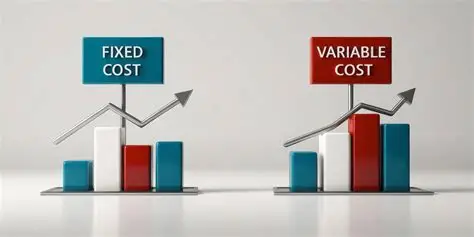
The Number Almost Everyone Wants Is the Wrong One
“How much does it cost to open a retail store?”
It is usually the first question aspiring retailers ask.
It is also, paradoxically, one of the least useful questions.
Not because the answer is unimportant. Quite the opposite. Startup costs can determine whether a retail business survives its first year. The problem is that most entrepreneurs are searching for a single number.
There isn't one.
A neighborhood gift shop and a luxury fashion boutique may both occupy 2,000 square feet, yet their startup costs can differ by hundreds of thousands of dollars. A small specialty store in a suburban shopping center faces a radically different economic reality than a flagship location in a major metropolitan district.
The better question is not, “What does a retail store cost?”
The better question is, “What costs am I actually buying?”
Because opening a retail store is not one expense. It is a collection of interconnected investments—some obvious, some hidden, and some capable of surprising even experienced operators.
The retailers who understand this distinction tend to make better decisions.
The ones who don't often discover that the lease was only the beginning.
The Short Answer: Retail Store Startup Costs Vary Widely
For a small independent retail store, startup costs commonly range from $20,000 to more than $500,000, depending on location, inventory requirements, store size, design complexity, staffing needs, and business model.
A modest specialty shop may launch for under $50,000.
A premium apparel boutique may require $150,000 to $300,000.
A large-format retail concept can easily exceed half a million dollars before the first sale occurs.
The range is enormous because retail economics are highly contextual.
The same business idea can produce dramatically different financial requirements depending on where and how it is executed.
That reality makes cost categories far more important than headline numbers.
Why Entrepreneurs Underestimate Retail Costs
One of the most common patterns in retail entrepreneurship is optimism.
Optimism is useful.
Businesses rarely begin without it.
Yet optimism can become expensive when it obscures operational realities.
Years ago, I spoke with a retailer preparing to open a specialty home décor store. The business plan appeared thoughtful. Inventory was budgeted carefully. Lease costs were accounted for. Marketing expenditures were included.
Everything seemed covered.
Except it wasn't.
The owner had overlooked signage approvals, security systems, point-of-sale software subscriptions, staff training expenses, and working capital reserves.
None of these costs were individually catastrophic.
Collectively, they were substantial.
The lesson was simple but powerful: retail budgets rarely fail because of one giant expense. They fail because of dozens of smaller expenses that were never anticipated.
Understanding this principle is the first step toward accurate planning.
The Major Cost Categories of Opening a Retail Store
Every retail business is unique, but startup expenses generally fall into several core categories.
Estimated Retail Store Startup Costs
| Expense Category | Typical Cost Range |
|---|---|
| Lease Deposit and Rent | $2,000–$50,000+ |
| Store Build-Out and Renovation | $5,000–$250,000+ |
| Inventory | $10,000–$200,000+ |
| Fixtures and Displays | $2,000–$50,000 |
| Point-of-Sale System | $500–$10,000 |
| Licenses and Permits | $100–$5,000 |
| Insurance | $500–$10,000 annually |
| Marketing and Advertising | $1,000–$50,000 |
| Staffing and Payroll | $3,000–$50,000+ |
| Working Capital Reserve | $10,000–$100,000+ |
The table illustrates a critical reality.
Inventory is often only one piece of the puzzle.
Infrastructure frequently costs as much—or more.
Real Estate: The Cost Everyone Notices
Retail discussions often begin with location.
For good reason.
Location remains one of the most consequential variables in retail economics.
A high-traffic shopping district can dramatically increase visibility and customer acquisition opportunities.
It can also dramatically increase costs.
Retail real estate expenses typically include:
- Security deposits
- First month's rent
- Advance rent payments
- Common area maintenance fees
- Utility deposits
- Property-related fees
What makes these costs particularly significant is timing.
Many occur before revenue begins.
The business starts spending before it starts earning.
This mismatch places pressure on startup capital from day one.
Build-Out Costs: Turning Space Into a Store
An empty retail space is not a retail store.
It is simply a room.
Transforming that room into a customer-facing environment often requires substantial investment.
Build-out expenses may include:
- Flooring
- Painting
- Lighting
- Electrical upgrades
- Shelving installation
- Dressing rooms
- Checkout counters
- Signage
- Accessibility modifications
The category matters because costs escalate quickly.
A minimalist boutique may require modest upgrades.
A luxury concept may demand custom fixtures, premium materials, and extensive design work.
The physical environment communicates brand positioning.
Retailers are not merely paying for construction.
They are investing in perception.
Inventory: The Most Visible Investment
Most aspiring retailers think about inventory first.
That instinct is understandable.
Without merchandise, there is no retail business.
Inventory requirements vary enormously by category.
Typical Initial Inventory Requirements
| Retail Category | Estimated Inventory Investment |
|---|---|
| Gift Shop | $5,000–$25,000 |
| Apparel Boutique | $20,000–$150,000 |
| Sporting Goods | $30,000–$250,000 |
| Beauty Store | $10,000–$100,000 |
| Home Décor | $15,000–$200,000 |
| Electronics Store | $50,000–$500,000+ |
What often surprises new retailers is that inventory ties up cash.
Products sitting on shelves represent money that cannot be used elsewhere.
Excess inventory creates financial strain.
Insufficient inventory creates missed sales.
The challenge is balance.
And balance is rarely easy.
Fixtures, Displays, and Visual Merchandising
Retailers do not simply sell products.
They present products.
That distinction matters.
Consumers frequently evaluate merchandise based on context.
How products are displayed influences perceived value.
Fixtures may include:
- Shelving
- Display tables
- Clothing racks
- Mannequins
- Storage units
- Checkout stations
- Mirrors
These costs are often underestimated because they seem secondary.
In reality, visual merchandising directly affects customer experience.
And customer experience directly affects sales.
Technology Costs Have Become Essential
Retail technology is no longer optional.
Even small stores require systems capable of managing transactions, inventory, and customer data.
Common technology investments include:
- Point-of-sale systems
- Payment processing hardware
- Inventory software
- Security systems
- Customer relationship management tools
- Wi-Fi infrastructure
One notable shift in recent years is that technology expenses increasingly occur through subscriptions rather than one-time purchases.
This changes budgeting dynamics.
The expense becomes ongoing rather than fixed.
Retailers must plan accordingly.
Marketing Before the Doors Open
Many entrepreneurs allocate significant resources to building stores and surprisingly little to attracting customers.
This imbalance can be costly.
A beautiful store without traffic generates no sales.
Marketing expenses may include:
- Website development
- Social media campaigns
- Local advertising
- Influencer partnerships
- Email marketing
- Grand opening events
- Search engine optimization
Retail awareness is not automatic.
Consumers need reasons to visit.
Marketing provides those reasons.
Staffing Costs Extend Beyond Payroll
Employees represent one of the most important investments in retail.
They also represent one of the most misunderstood expenses.
Retail labor costs include:
- Recruitment
- Training
- Wages
- Payroll taxes
- Benefits
- Scheduling systems
- Uniforms
Years ago, while evaluating customer experience performance across multiple retail formats, I noticed something striking.
Stores with similar products often delivered radically different results.
The differentiator was rarely inventory.
It was people.
Employees shape customer perceptions more profoundly than many entrepreneurs realize.
Hiring should therefore be viewed as a strategic investment, not merely an operating expense.
The Most Overlooked Cost: Working Capital
If there is one category that deserves greater attention, it is working capital.
Working capital is the financial cushion that keeps the business operating during its early stages.
Rent continues.
Payroll continues.
Marketing continues.
Utilities continue.
Revenue, meanwhile, may develop gradually.
Many retail failures occur not because the concept lacks potential but because the business exhausts available cash before reaching stability.
A healthy reserve provides flexibility.
Flexibility provides resilience.
And resilience often determines survival.
Brick-and-Mortar vs. Online Store Startup Costs
The contrast between physical and digital retail highlights the importance of infrastructure choices.
| Expense Area | Physical Store | E-Commerce Store |
|---|---|---|
| Rent | High | Minimal |
| Renovations | High | None |
| Inventory | Moderate to High | Moderate |
| Technology | Moderate | Moderate |
| Staffing | Higher | Lower Initially |
| Marketing | Moderate | Often Higher |
| Fulfillment | Lower In-Store | Higher Shipping Costs |
| Customer Reach | Local | National or Global |
The comparison illustrates a common misconception.
Online retail is often cheaper.
It is not always inexpensive.
Many costs simply shift categories.
How Much Should You Actually Budget?
While every business differs, practical budgeting often falls into broad tiers.
Small Specialty Retail Store
- Estimated startup cost: $20,000–$75,000
Mid-Sized Boutique or Lifestyle Store
- Estimated startup cost: $75,000–$250,000
Large Retail Store or Premium Concept
- Estimated startup cost: $250,000–$500,000+
These figures represent broad planning ranges rather than guarantees.
Location, category, and business model significantly influence outcomes.
Why Lower Costs Are Not Always Better
A surprising retail truth is that minimizing startup costs does not always maximize success.
Some entrepreneurs become so focused on reducing expenses that they undermine customer experience.
Inferior signage.
Poor lighting.
Limited inventory.
Undertrained staff.
Weak marketing.
The result is a store that saves money but struggles to generate demand.
Cost control matters.
Value creation matters more.
The objective is not spending as little as possible.
The objective is investing intelligently.
The Bigger Question
“How much does it cost to open a retail store?” appears to be a financial question.
In reality, it is a strategic question.
Every dollar spent reflects a decision about what kind of business you intend to build.
Inventory reflects merchandising strategy.
Store design reflects brand positioning.
Marketing reflects customer acquisition strategy.
Technology reflects operational priorities.
The cost of opening a retail store is therefore more than a number.
It is a blueprint.
And perhaps that is the most important insight of all.
Retail success rarely belongs to the entrepreneur who spends the most.
Nor does it consistently belong to the entrepreneur who spends the least.
It belongs to the entrepreneur who understands why each expense exists, how it contributes to customer value, and where investment creates meaningful differentiation.
Because a retail store is not simply a collection of shelves, products, and transactions.
It is a carefully orchestrated system designed to earn customer attention.
The startup budget is merely the first expression of that system.
How thoughtfully it is constructed often determines everything that follows.
- Arts
- Business
- Computers
- Oyunlar
- Health
- Home
- Kids and Teens
- Money
- News
- Personal Development
- Recreation
- Regional
- Reference
- Science
- Shopping
- Society
- Sports
- Бизнес
- Деньги
- Дом
- Досуг
- Здоровье
- Игры
- Искусство
- Источники информации
- Компьютеры
- Личное развитие
- Наука
- Новости и СМИ
- Общество
- Покупки
- Спорт
- Страны и регионы
- World

 English
 Russian
 French
 Spanish
 Portuguese
 Deutsch
 Dutch
Dutch
 Italiano
 Arabic
 Romaian
 Portuguese (Brazil)
 Greek
Greek
