
Industrial relations notes
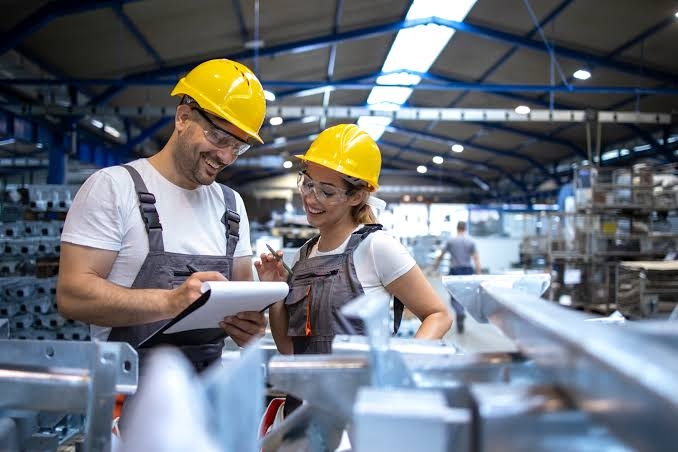
Industrial Relations Notes
Introduction
Industrial relations (IR) refers to the relationship between employers, employees, trade unions, and the government in regulating employment conditions and maintaining workplace harmony. It is an important field of study because healthy industrial relations contribute to higher productivity, employee satisfaction, and economic development. Effective industrial relations help prevent workplace conflicts, improve communication, and create a cooperative work environment.
Meaning of Industrial Relations
Industrial relations involve all interactions between management and employees concerning employment matters. These interactions include collective bargaining, grievance handling, dispute resolution, labor laws, wages, working conditions, employee participation, and workplace safety.
The primary goal of industrial relations is to establish and maintain peaceful and productive relationships between employers and workers.
Objectives of Industrial Relations
The main objectives of industrial relations are:
-
Promote harmonious relationships between employers and employees.
-
Increase productivity and organizational efficiency.
-
Protect the rights and interests of workers.
-
Ensure fair wages and good working conditions.
-
Prevent and resolve industrial disputes.
-
Encourage cooperation and mutual trust.
-
Maintain industrial peace and social justice.
-
Support economic growth through stable employment relations.
Scope of Industrial Relations
Industrial relations cover a broad range of activities, including:
1. Employer-Employee Relations
Focuses on communication, cooperation, discipline, and workplace policies between management and employees.
2. Trade Union Relations
Deals with the formation, recognition, and functioning of labor unions and their interaction with employers.
3. Collective Bargaining
Negotiation between employers and employee representatives regarding wages, benefits, working hours, and other employment conditions.
4. Labor Legislation
Includes laws governing employment, occupational safety, discrimination, minimum wages, and labor rights.
5. Industrial Disputes
Involves conflict resolution through negotiation, mediation, arbitration, or legal procedures.
6. Employee Participation
Encourages workers to take part in decision-making processes that affect their jobs and workplace.
Importance of Industrial Relations
Good industrial relations offer several benefits:
-
Improve employee morale and motivation.
-
Reduce labor disputes and strikes.
-
Enhance productivity and organizational performance.
-
Encourage teamwork and cooperation.
-
Improve employee retention.
-
Build trust between management and workers.
-
Create a positive organizational culture.
-
Support sustainable business growth.
Parties Involved in Industrial Relations
1. Employees
Employees contribute their skills and labor to achieve organizational objectives while expecting fair treatment, safe working conditions, and appropriate compensation.
2. Employers
Employers manage business operations, provide employment opportunities, establish workplace policies, and ensure organizational success.
3. Trade Unions
Trade unions represent employees, negotiate with employers, protect workers' rights, and promote better working conditions.
4. Government
Governments establish labor laws, regulate employment practices, resolve disputes, and ensure compliance with labor standards.
Key Features of Industrial Relations
Industrial relations have the following characteristics:
-
Dynamic and continuously evolving.
-
Involve multiple stakeholders.
-
Governed by labor laws and regulations.
-
Focus on cooperation and conflict resolution.
-
Promote mutual respect and trust.
-
Influence organizational productivity and national economic development.
Causes of Industrial Disputes
Industrial disputes may arise due to:
-
Low wages or unequal pay.
-
Poor working conditions.
-
Job insecurity.
-
Lack of communication.
-
Unfair disciplinary actions.
-
Discrimination or harassment.
-
Changes in organizational policies.
-
Failure of collective bargaining.
-
Poor leadership and management practices.
Methods of Resolving Industrial Disputes
Negotiation
Both parties discuss issues directly to reach a mutually acceptable agreement.
Collective Bargaining
Employers and unions negotiate employment conditions through formal discussions.
Mediation
A neutral third party helps both sides reach a voluntary settlement.
Conciliation
A conciliator assists disputing parties in finding common ground and resolving disagreements.
Arbitration
An independent arbitrator hears both parties and makes a binding or non-binding decision.
Adjudication
A labor court or tribunal resolves disputes according to applicable labor laws.
Collective Bargaining
Collective bargaining is one of the most important processes in industrial relations. It is the negotiation between employers and employee representatives to determine employment conditions.
Objectives
-
Improve wages and benefits.
-
Ensure fair working conditions.
-
Protect employee rights.
-
Promote industrial peace.
-
Strengthen employer-employee cooperation.
Types
-
Distributive bargaining
-
Integrative bargaining
-
Productivity bargaining
-
Composite bargaining
-
Concessionary bargaining
Trade Unions
Trade unions are organizations formed by employees to represent their collective interests.
Functions
-
Protect workers' rights.
-
Negotiate wages and benefits.
-
Resolve workplace grievances.
-
Promote occupational safety.
-
Educate members about labor rights.
-
Support employee welfare.
Advantages
-
Stronger bargaining power.
-
Better working conditions.
-
Fair treatment of employees.
-
Improved job security.
-
Increased employee participation.
Role of Human Resource Management in Industrial Relations
The Human Resource (HR) department plays a crucial role by:
-
Maintaining positive employee relations.
-
Handling grievances promptly.
-
Ensuring compliance with labor laws.
-
Conducting fair performance evaluations.
-
Supporting employee engagement.
-
Facilitating communication between management and workers.
-
Promoting diversity and inclusion.
Emerging Trends in Industrial Relations
Industrial relations continue to evolve due to technological and economic changes.
Current trends include:
-
Remote and hybrid work arrangements.
-
Digital communication between employers and employees.
-
Growing use of artificial intelligence in HR.
-
Increased focus on employee well-being.
-
Flexible employment contracts.
-
Expansion of the gig economy.
-
Greater emphasis on diversity, equity, and inclusion.
-
Data-driven workforce management.
Challenges in Industrial Relations
Organizations face several challenges, including:
-
Managing remote and hybrid teams.
-
Balancing automation with job security.
-
Addressing skill shortages.
-
Adapting to changing labor laws.
-
Managing workforce diversity.
-
Handling employee stress and mental health concerns.
-
Responding to globalization and international competition.
-
Maintaining employee engagement during organizational change.
Measures to Improve Industrial Relations
Organizations can strengthen industrial relations by:
-
Encouraging open communication.
-
Providing fair wages and benefits.
-
Ensuring safe and healthy workplaces.
-
Recognizing employee achievements.
-
Supporting training and career development.
-
Promoting employee participation in decision-making.
-
Resolving grievances quickly.
-
Respecting labor laws and ethical standards.
-
Building trust through transparent leadership.
Conclusion
Industrial relations are essential for creating productive, fair, and harmonious workplaces. They involve the cooperation of employers, employees, trade unions, and governments to balance organizational objectives with employee welfare. Strong industrial relations reduce workplace conflicts, improve productivity, enhance employee satisfaction, and contribute to sustainable economic development. As workplaces continue to change through globalization, digital transformation, and evolving employment models, effective industrial relations will remain a key factor in organizational success.
- Arts
- Business
- Computers
- Spellen
- Health
- Home
- Kids and Teens
- Money
- News
- Personal Development
- Recreation
- Regional
- Reference
- Science
- Shopping
- Society
- Sports
- Бизнес
- Деньги
- Дом
- Досуг
- Здоровье
- Игры
- Искусство
- Источники информации
- Компьютеры
- Личное развитие
- Наука
- Новости и СМИ
- Общество
- Покупки
- Спорт
- Страны и регионы
- World

 English
 Russian
 French
 Spanish
 Portuguese
 Deutsch
 Turkish
 Italiano
 Arabic
 Romaian
 Portuguese (Brazil)
 Greek
Greek
