
What does inflation mean?
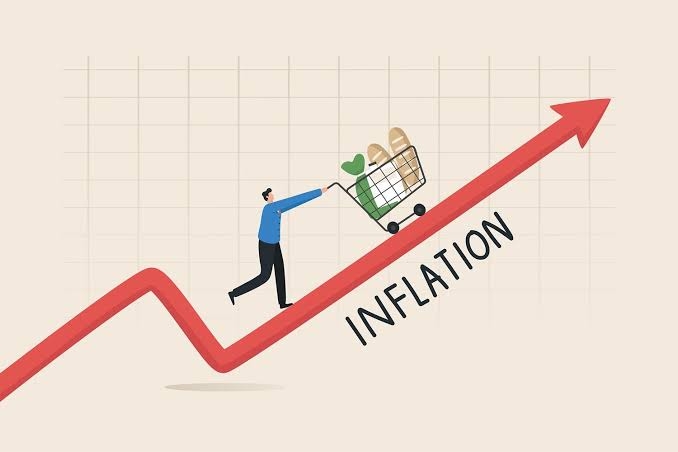
What Does Inflation Mean?
Introduction
Inflation is a term commonly used in economics, news reports, and everyday conversations about money. It refers to the general increase in the prices of goods and services over time. When inflation occurs, the purchasing power of money decreases, meaning that the same amount of money can buy fewer goods and services than before.
For example, if a person could buy a basket of groceries for $50 a few years ago but now needs $65 for the same items, the economy has experienced inflation. Inflation does not mean that every single price rises at the same rate, but it indicates that prices across the economy are increasing on average.
Understanding inflation is important because it affects consumers, businesses, governments, savings, investments, and overall economic growth.
Definition of Inflation
Inflation is the sustained increase in the general price level of goods and services in an economy over a period of time. It is usually measured as a percentage change compared with a previous period, such as a month or a year.
For instance, if the inflation rate is 5%, it means that prices are, on average, 5% higher than they were a year earlier. A product that cost $100 last year may now cost around $105.
Economists often use price indexes, such as the Consumer Price Index (CPI), to measure inflation. These indexes track changes in the prices of a group of commonly purchased goods and services, including food, housing, transportation, healthcare, and clothing.
How Inflation Works
Inflation happens when the overall demand for goods and services grows faster than the economy’s ability to produce them, or when the costs of producing goods increase. As a result, businesses may raise prices to maintain profits, and consumers may find that their money does not stretch as far as it used to.
For example, if many people suddenly have more income and begin buying more products, businesses may struggle to meet demand. This increased competition for limited goods can push prices upward.
Similarly, if the cost of raw materials, energy, or labor rises, companies may increase prices to cover their higher expenses. This can also contribute to inflation.
Types of Inflation
There are several types of inflation, depending on its causes and speed.
1. Demand-Pull Inflation
Demand-pull inflation occurs when demand for goods and services is greater than the economy’s ability to supply them. When consumers, businesses, or governments spend more money, demand increases. If production cannot keep up, prices rise.
For example, during periods of strong economic growth, people may have more income and spend more on homes, cars, travel, and other goods. Increased demand can lead to higher prices.
2. Cost-Push Inflation
Cost-push inflation happens when the cost of producing goods and services increases. Businesses often pass these higher costs on to consumers through higher prices.
Common causes include:
-
Rising fuel prices
-
Higher wages
-
Increased costs of raw materials
-
Supply chain disruptions
For example, if oil prices increase significantly, transportation costs may rise, causing higher prices for many products.
3. Built-In Inflation
Built-in inflation occurs when people expect prices to continue rising and adjust their behavior accordingly. Workers may demand higher wages to keep up with rising living costs, and businesses may increase prices to cover higher labor expenses. This creates a cycle of rising wages and prices.
Causes of Inflation
Inflation can result from many economic factors. Some major causes include:
Increased Money Supply
When a country’s money supply grows too quickly, there may be more money available to spend. If the supply of goods and services does not increase at the same rate, prices may rise.
Higher Production Costs
When businesses face higher costs for materials, energy, transportation, or labor, they may increase prices to protect their profits.
Strong Consumer Demand
When people have greater purchasing power and demand more goods and services, prices may rise if businesses cannot increase production quickly enough.
Supply Chain Problems
Events such as natural disasters, wars, pandemics, or transportation issues can reduce the availability of goods. Limited supply combined with steady demand can cause prices to increase.
Government Policies
Government spending, taxation policies, and monetary decisions can influence inflation. For example, large increases in public spending may increase demand in the economy.
Effects of Inflation
Inflation can have both positive and negative effects depending on its level and stability.
Effects on Consumers
The most noticeable effect of inflation is a decrease in purchasing power. When prices rise faster than incomes, people may struggle to afford everyday necessities such as food, housing, and healthcare.
People with fixed incomes, such as retirees receiving fixed payments, may be especially affected because their income may not increase along with prices.
Effects on Savings
Inflation reduces the value of money saved over time. If the inflation rate is higher than the interest earned on savings, the real value of those savings declines.
For example, if a bank account earns 2% interest but inflation is 5%, the money loses purchasing power despite earning interest.
Effects on Businesses
Inflation can create uncertainty for businesses. Companies may face higher costs and difficulty predicting future expenses. However, moderate inflation can sometimes benefit businesses because higher prices may increase revenues.
Effects on Investments
Inflation influences investment decisions. Some investments may lose value during periods of high inflation, while others, such as certain real assets, may perform better because their prices can rise with inflation.
Effects on the Economy
A moderate level of inflation is often considered a normal part of a growing economy. However, very high inflation can harm economic stability by reducing consumer confidence, discouraging investment, and making financial planning more difficult.
Inflation vs. Deflation
Inflation occurs when prices generally rise, while deflation occurs when prices generally fall.
Although falling prices may seem beneficial, deflation can create economic problems. When people expect prices to continue falling, they may delay purchases, causing businesses to earn less and potentially reduce production and employment.
Most central banks aim to maintain low and stable inflation rather than allowing prices to rise or fall rapidly.
Measuring Inflation
Governments and economists measure inflation using different price indexes. The most common measurement tools include:
Consumer Price Index (CPI)
The CPI measures changes in the prices of goods and services commonly purchased by households. It is one of the most widely used indicators of inflation.
Producer Price Index (PPI)
The PPI measures changes in the prices businesses receive for their products. It can provide early signs of future consumer price changes.
Core Inflation
Core inflation excludes certain items, usually food and energy, because their prices can change significantly in the short term. It helps economists understand longer-term inflation trends.
How Governments Control Inflation
Central banks and governments use various policies to manage inflation.
Monetary Policy
Central banks, such as the Federal Reserve in the United States or other national central banks, can adjust interest rates to influence borrowing and spending.
When inflation is too high, central banks may increase interest rates. Higher borrowing costs can reduce spending and slow price increases.
Fiscal Policy
Governments can use taxation and spending policies to influence economic activity. Reducing excessive government spending or increasing taxes can help reduce demand-driven inflation.
Improving Supply
Governments may also address inflation by improving production, transportation systems, and supply chains to increase the availability of goods and services.
Is Inflation Always Bad?
Inflation is not necessarily harmful. A small and stable amount of inflation is often considered healthy for an economy. It can encourage businesses to invest, promote spending, and support economic growth.
The problem occurs when inflation becomes too high or unpredictable. Rapid price increases can reduce living standards and create financial uncertainty.
Many economists believe that a moderate inflation rate helps maintain economic balance by allowing wages, prices, and production to adjust gradually.
Conclusion
Inflation means a general increase in the prices of goods and services over time, reducing the purchasing power of money. It is caused by factors such as increased demand, rising production costs, supply problems, and changes in money supply.
While moderate inflation is a normal part of economic growth, high inflation can create serious challenges for individuals, businesses, and governments. Understanding inflation helps people make better financial decisions and understand changes in the economy.
By monitoring inflation and using appropriate economic policies, governments and central banks aim to maintain stable prices and support long-term economic prosperity.
- Arts
- Business
- Computers
- Jogos
- Health
- Início
- Kids and Teens
- Money
- News
- Personal Development
- Recreation
- Regional
- Reference
- Science
- Shopping
- Society
- Sports
- Бизнес
- Деньги
- Дом
- Досуг
- Здоровье
- Игры
- Искусство
- Источники информации
- Компьютеры
- Личное развитие
- Наука
- Новости и СМИ
- Общество
- Покупки
- Спорт
- Страны и регионы
- World

 English
 Russian
 French
 Spanish
 Portuguese
 Deutsch
 Turkish
 Dutch
Dutch
 Italiano
 Arabic
 Romaian
 Greek
Greek
