
How is inflation defined?
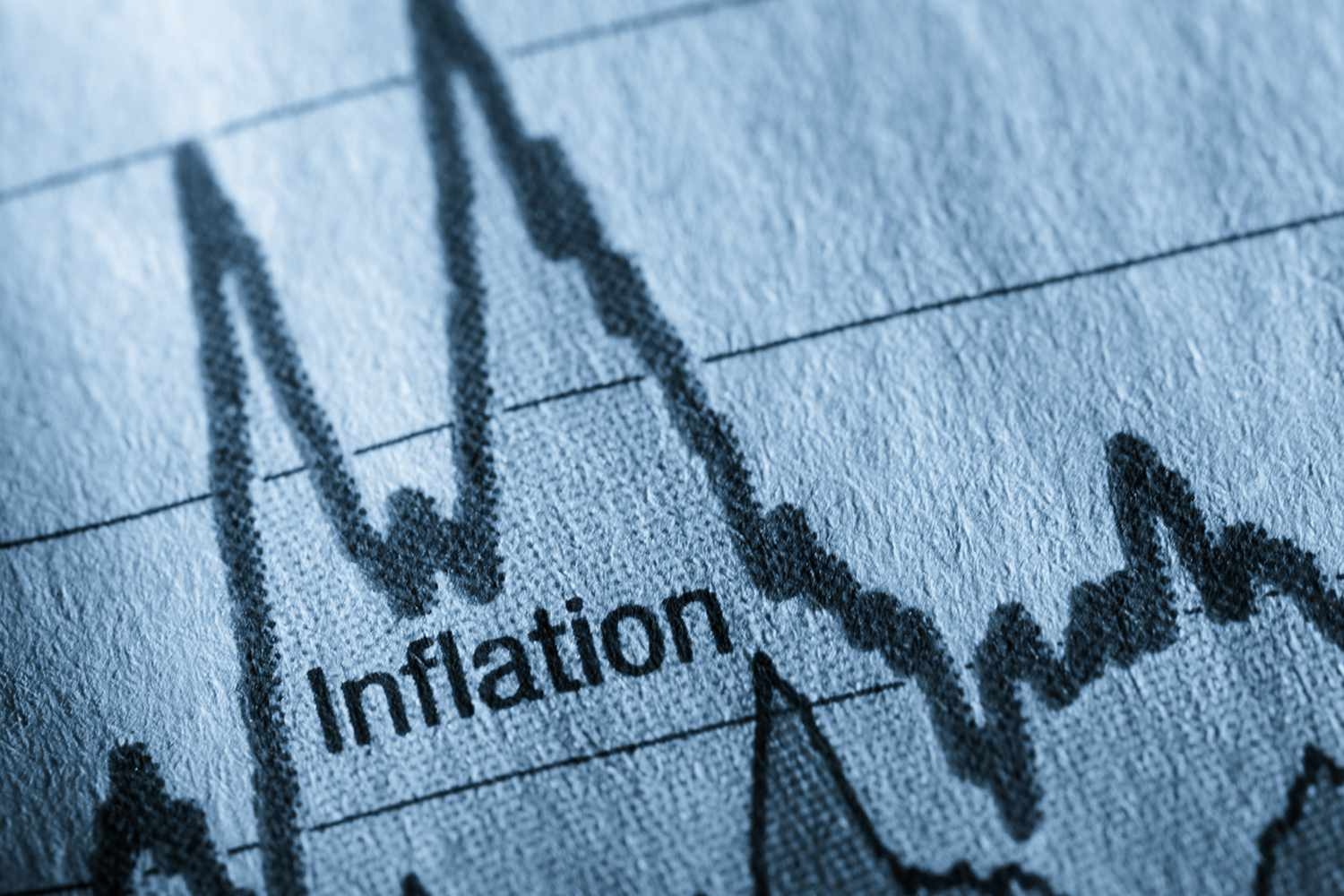
How Is Inflation Defined?
Inflation is one of the most important concepts in economics because it affects the cost of living, purchasing power, savings, investments, and overall economic stability. Although people often associate inflation with rising prices in shops and services, its economic definition is more precise. Understanding how inflation is defined helps individuals, businesses, and governments make better financial decisions.
Definition of Inflation
Inflation is defined as the sustained increase in the general price level of goods and services in an economy over a period of time. When inflation occurs, each unit of currency buys fewer goods and services than before. In other words, inflation reduces the purchasing power of money.
For example, if a basket of goods costs $100 today and the same basket costs $105 one year later, the economy has experienced a 5% increase in prices. This does not mean every individual product has become more expensive by exactly 5%, but rather that the average price level has increased.
Economists measure inflation by examining changes in the prices of a wide range of goods and services, including food, housing, transportation, healthcare, clothing, and other everyday expenses.
Key Elements of the Definition of Inflation
Several important ideas are included in the definition of inflation:
1. General Increase in Prices
Inflation refers to a broad rise in prices across the economy, not just the price of a single product. For example, if the price of coffee increases because of a poor harvest, this alone is not considered inflation. Inflation occurs when prices increase across many sectors of the economy.
2. Sustained Increase
A temporary rise in prices does not necessarily represent inflation. Inflation involves price increases that continue over time. Short-term price changes caused by seasonal factors, natural disasters, or temporary shortages may not indicate a lasting inflationary trend.
3. Decline in Purchasing Power
The most important effect of inflation is the reduction in the value of money. When prices rise, consumers need more money to buy the same amount of goods and services. For instance, if a person could buy ten items with $50 in the past but can only buy eight items with the same amount today, the purchasing power of that money has decreased.
How Inflation Is Measured
Inflation is usually measured through price indexes that track changes in the cost of a selected group of goods and services.
Consumer Price Index (CPI)
The Consumer Price Index (CPI) is one of the most common measures of inflation. It tracks the average change in prices paid by consumers for a basket of goods and services. Governments and statistical organizations collect price data and compare current prices with previous periods.
For example, if the CPI rises by 3% in one year, it means that the average cost of the goods and services included in the index increased by approximately 3%.
Producer Price Index (PPI)
The Producer Price Index (PPI) measures changes in the prices received by producers for goods and services. It can indicate future consumer inflation because higher production costs may eventually lead to higher prices for consumers.
GDP Deflator
The GDP deflator measures price changes for all domestically produced goods and services. Unlike CPI, which focuses mainly on consumer purchases, the GDP deflator covers a broader range of economic activity.
Types of Inflation
Inflation can be classified into different types depending on its causes and speed.
Demand-Pull Inflation
Demand-pull inflation occurs when demand for goods and services grows faster than the economy’s ability to produce them. When consumers, businesses, or governments spend more money than available resources can support, prices tend to rise.
For example, during periods of strong economic growth, increased consumer spending may create higher demand for products. If companies cannot increase production quickly enough, prices may rise.
Cost-Push Inflation
Cost-push inflation happens when production costs increase, causing businesses to raise prices. Higher costs for raw materials, wages, energy, or transportation can contribute to this type of inflation.
For example, if oil prices rise significantly, transportation and manufacturing costs may increase, leading to higher prices for many goods and services.
Built-In Inflation
Built-in inflation occurs when workers and businesses expect prices to continue rising. Workers may demand higher wages to maintain their standard of living, and businesses may increase prices to cover higher labor costs. This can create a cycle of rising wages and prices.
Why Inflation Happens
Inflation can result from several economic factors, including:
-
Increased consumer demand: When people spend more money, businesses may raise prices.
-
Growth in money supply: If too much money enters circulation compared with available goods and services, the value of money may decline.
-
Higher production costs: Rising wages, energy costs, or material prices can push prices upward.
-
Supply shortages: Limited availability of products can cause prices to increase.
-
Government policies: Fiscal and monetary decisions can influence inflation levels.
Inflation and Deflation
Inflation is the opposite of deflation, which occurs when the general price level decreases over time. While lower prices may seem beneficial, prolonged deflation can harm an economy by reducing business profits, discouraging investment, and causing consumers to delay purchases in expectation of further price declines.
A moderate level of inflation is often considered normal in a growing economy. Many central banks aim for a low and stable inflation rate because it encourages economic activity while maintaining price stability.
Effects of Inflation
Inflation affects different groups in different ways.
Consumers
Consumers may experience higher living costs as prices for food, housing, transportation, and other necessities increase. People with fixed incomes may be especially affected because their income may not rise at the same rate as prices.
Businesses
Businesses may face higher costs for materials, labor, and operations. Some companies can pass these costs to customers through higher prices, while others may experience reduced profits.
Savers and Investors
Inflation can reduce the real value of savings because money loses purchasing power over time. However, certain investments, such as some stocks, real estate, and inflation-protected securities, may help protect against inflation.
Borrowers and Lenders
Inflation can benefit borrowers because they repay loans with money that may be worth less than when they borrowed it. Lenders, however, may lose purchasing power if interest rates do not compensate for inflation.
The Role of Central Banks
Central banks play a major role in managing inflation. They use monetary policies, such as adjusting interest rates and controlling the money supply, to influence economic activity.
When inflation is too high, central banks may increase interest rates to reduce borrowing and spending. When inflation is too low, they may lower interest rates to encourage economic growth.
Conclusion
Inflation is defined as a sustained increase in the general level of prices for goods and services, resulting in a decline in the purchasing power of money. It is measured through indicators such as the Consumer Price Index, Producer Price Index, and GDP deflator. Inflation can be caused by rising demand, increased production costs, supply problems, or monetary factors.
While moderate inflation is a normal part of a growing economy, excessive inflation can create economic difficulties by reducing purchasing power and increasing uncertainty. Understanding the definition and causes of inflation helps individuals, businesses, and policymakers respond effectively to changes in the economy.
- Arts
- Business
- Computers
- Jogos
- Health
- Início
- Kids and Teens
- Money
- News
- Personal Development
- Recreation
- Regional
- Reference
- Science
- Shopping
- Society
- Sports
- Бизнес
- Деньги
- Дом
- Досуг
- Здоровье
- Игры
- Искусство
- Источники информации
- Компьютеры
- Личное развитие
- Наука
- Новости и СМИ
- Общество
- Покупки
- Спорт
- Страны и регионы
- World

 English
 Russian
 French
 Spanish
 Deutsch
 Turkish
 Dutch
Dutch
 Italiano
 Arabic
 Romaian
 Portuguese (Brazil)
 Greek
Greek
