
What causes inflation?
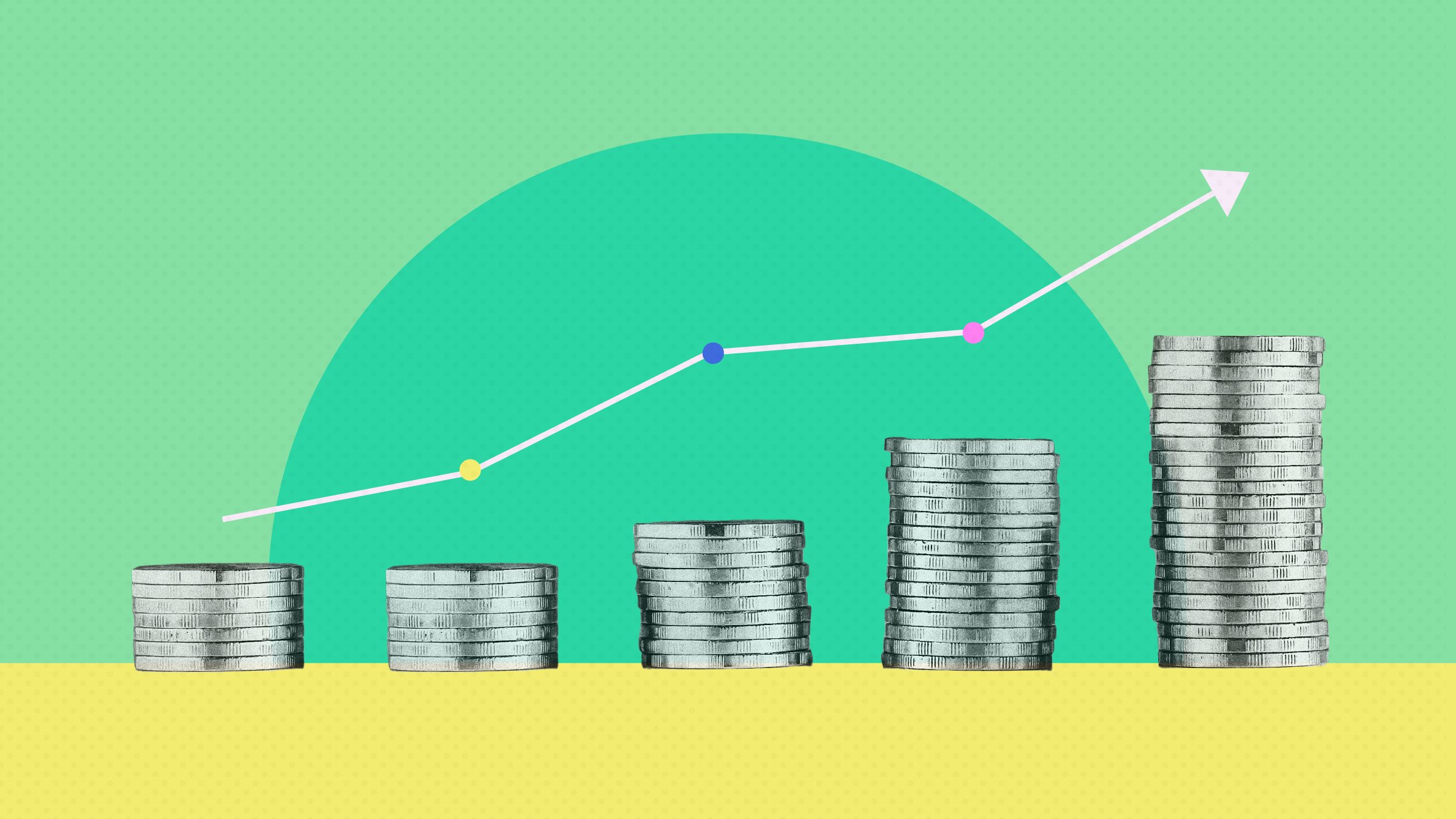
What Causes Inflation?
Inflation is one of the most important economic concepts because it directly affects the cost of living, purchasing power, and financial decisions of individuals, businesses, and governments. It refers to a sustained increase in the general price level of goods and services in an economy over time. When inflation occurs, money loses some of its purchasing power, meaning people can buy fewer goods and services with the same amount of money.
Inflation does not have a single cause. It usually results from a combination of factors involving demand, supply, money supply, production costs, government policies, and global economic conditions. Understanding what causes inflation helps explain why prices rise and how policymakers attempt to manage it.
1. Demand-Pull Inflation
One of the most common causes of inflation is demand-pull inflation. This occurs when demand for goods and services grows faster than an economy’s ability to produce them.
When consumers, businesses, or governments increase their spending, demand rises. If companies cannot increase production quickly enough to meet this higher demand, shortages may occur, allowing businesses to raise prices.
For example, if an economy experiences strong growth and consumers have more income to spend, they may purchase more cars, homes, electronics, and services. If manufacturers cannot produce enough products to satisfy buyers, prices may increase.
Several factors can increase demand:
-
Rising consumer confidence
-
Higher wages and employment levels
-
Increased government spending
-
Lower interest rates encouraging borrowing and spending
-
Economic expansion
Demand-pull inflation is often associated with a rapidly growing economy where demand exceeds supply.
2. Cost-Push Inflation
Another major cause of inflation is cost-push inflation, which occurs when the costs of producing goods and services increase. Businesses often pass these higher costs on to consumers through higher prices.
Production costs can rise because of:
-
Higher wages
-
Increased energy prices
-
More expensive raw materials
-
Higher transportation costs
-
Supply shortages
For example, if oil prices rise significantly, transportation and manufacturing costs may increase. Companies that rely on fuel may raise prices to maintain profitability. Because oil is used in many industries, higher energy costs can affect the prices of many products and services.
Cost-push inflation can be especially challenging because it may occur even when economic growth is weak. Businesses face rising costs while consumers face higher prices.
3. Growth in the Money Supply
The amount of money circulating in an economy can also influence inflation. When the money supply grows faster than economic output, too much money may chase too few goods and services, leading to higher prices.
Central banks control money supply through policies such as interest rates and lending regulations. If a central bank creates excessive money or keeps interest rates too low for too long, borrowing and spending may increase. If production does not grow at the same pace, inflation can result.
For example, if the amount of money available to consumers doubles but the quantity of goods and services remains unchanged, businesses may raise prices because consumers have more money to spend.
However, increasing the money supply does not always cause inflation. The effect depends on economic conditions, such as productivity, consumer behavior, and the level of demand.
4. Supply Chain Disruptions
Problems in supply chains can create inflation by reducing the availability of goods. Modern economies depend on complex global networks for raw materials, manufacturing, and transportation. When these networks are disrupted, shortages can occur.
Common causes of supply chain disruptions include:
-
Natural disasters
-
Wars and political conflicts
-
Trade restrictions
-
Factory shutdowns
-
Transportation problems
-
Global health crises
When supplies become limited, businesses may struggle to meet demand. As a result, prices for affected products may rise.
For example, shortages of computer chips can increase the prices of cars, smartphones, and electronic devices because manufacturers cannot produce enough products.
5. Rising Wages
Wage growth can contribute to inflation when it exceeds increases in worker productivity. Higher wages increase consumers’ purchasing power, which can raise demand for goods and services. At the same time, higher labor costs may encourage businesses to increase prices.
This situation can create a wage-price spiral. Workers demand higher wages because prices are rising. Businesses increase wages to attract employees but raise prices to cover higher labor costs. Higher prices then lead workers to seek further wage increases.
However, wage growth does not always cause inflation. If productivity improves at the same time, companies may be able to pay higher wages without increasing prices significantly.
6. Increased Production Costs
Businesses depend on various inputs to produce goods and services. When these inputs become more expensive, inflationary pressure can develop.
Important production costs include:
-
Raw materials
-
Energy
-
Labor
-
Rent
-
Equipment
-
Transportation
For example, if the cost of metals used in manufacturing rises, companies producing machinery, vehicles, or construction materials may increase their prices.
Global commodity prices can have a major impact because many countries rely on imported resources. A rise in the price of essential commodities can spread inflation across many industries.
7. Government Spending and Fiscal Policies
Government policies can influence inflation, particularly through spending and taxation decisions. When governments increase spending significantly, they can boost demand in the economy.
Government spending on infrastructure, public services, or economic support programs can stimulate growth. However, if spending increases too quickly while production remains limited, it may contribute to inflation.
Large budget deficits, especially when financed through increased borrowing or money creation, may also create inflationary pressures.
At the same time, government policies can help reduce inflation by controlling spending, improving productivity, and supporting stable economic growth.
8. Exchange Rate Changes
Changes in a country’s exchange rate can affect inflation, especially in economies that rely heavily on imports.
When a country’s currency loses value compared with other currencies, imported goods become more expensive. Businesses that depend on imported materials may increase prices to cover higher costs.
For example, if a country’s currency weakens, the price of imported fuel, machinery, and food may rise. These higher costs can contribute to overall inflation.
A stronger currency can sometimes reduce inflation by making imports cheaper.
9. Inflation Expectations
People’s expectations about future prices can also influence inflation. If consumers and businesses expect prices to rise, they may change their behavior in ways that contribute to inflation.
For example:
-
Consumers may buy products sooner before prices increase.
-
Businesses may raise prices in anticipation of higher costs.
-
Workers may request higher wages to keep up with expected inflation.
These actions can create a self-reinforcing cycle where expectations contribute to actual price increases.
Maintaining public confidence in economic stability is therefore an important part of inflation management.
10. Global Events
Inflation is often influenced by events beyond a country’s borders. International developments can affect prices through trade, energy markets, and financial systems.
Examples of global factors that can cause inflation include:
-
Conflicts that disrupt energy supplies
-
International commodity price increases
-
Global economic recoveries
-
Trade restrictions
-
Currency market changes
Because modern economies are interconnected, inflation in one region can spread to others.
How Governments and Central Banks Respond to Inflation
When inflation becomes too high, governments and central banks use various policies to slow price increases.
Central banks often respond by:
-
Raising interest rates
-
Reducing the growth of money supply
-
Tightening lending conditions
Higher interest rates make borrowing more expensive, which can reduce spending and investment. Lower demand can help slow inflation.
Governments may also address inflation by:
-
Improving supply chains
-
Reducing unnecessary spending
-
Supporting production and productivity
-
Adjusting taxes and regulations
The challenge is to control inflation without causing excessive unemployment or slowing economic growth too much.
Conclusion
Inflation is caused by a variety of economic forces rather than one single factor. The most common causes include rising demand, increasing production costs, rapid growth in the money supply, supply chain disruptions, wage increases, government policies, and global events.
Some inflation is a normal part of a growing economy, but excessive inflation can reduce purchasing power and create economic uncertainty. Understanding the causes of inflation allows policymakers, businesses, and individuals to make better financial decisions and respond effectively to changing economic conditions.
- Arts
- Business
- Computers
- Giochi
- Health
- Home
- Kids and Teens
- Money
- News
- Personal Development
- Recreation
- Regional
- Reference
- Science
- Shopping
- Society
- Sports
- Бизнес
- Деньги
- Дом
- Досуг
- Здоровье
- Игры
- Искусство
- Источники информации
- Компьютеры
- Личное развитие
- Наука
- Новости и СМИ
- Общество
- Покупки
- Спорт
- Страны и регионы
- World

 English
 Russian
 French
 Spanish
 Portuguese
 Deutsch
 Turkish
 Dutch
Dutch
 Arabic
 Romaian
 Portuguese (Brazil)
 Greek
Greek