
What is core inflation?
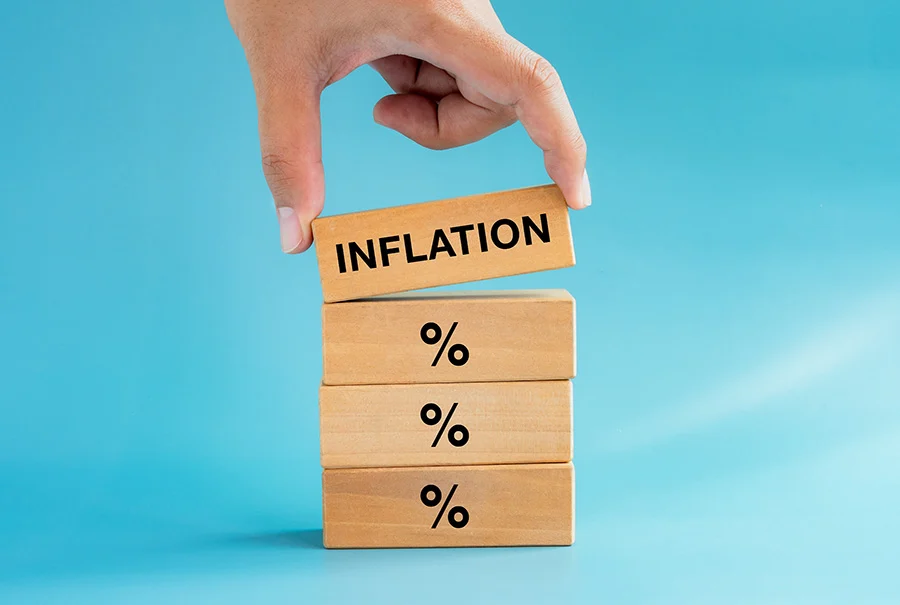
What Is Core Inflation?
Inflation refers to the general increase in the prices of goods and services over time, reducing the purchasing power of money. Economists use several measures to track inflation, and one of the most important is core inflation. Core inflation is a measure of price increases that excludes certain items considered highly volatile, mainly food and energy. By removing these short-term fluctuations, core inflation provides a clearer picture of underlying price trends in an economy.
Understanding core inflation helps policymakers, businesses, investors, and consumers assess whether inflation is temporary or likely to persist. It is widely used by central banks when making decisions about interest rates and monetary policy.
Definition of Core Inflation
Core inflation is the rate of increase in the prices of goods and services after excluding food and energy prices from the overall inflation measure.
Food and energy prices are excluded because they often change sharply due to factors such as weather conditions, geopolitical events, supply disruptions, and changes in global commodity markets. These price movements can create large swings in headline inflation, even when the broader economy remains stable.
For example, a sudden increase in oil prices caused by international conflicts may raise fuel costs and increase headline inflation. However, this does not necessarily mean that prices across the entire economy are rising at the same pace. Core inflation attempts to separate these temporary effects from longer-lasting inflation trends.
Core Inflation vs. Headline Inflation
The main difference between core inflation and headline inflation is the inclusion or exclusion of volatile categories.
Headline inflation measures the total change in prices across a broad basket of goods and services, including food and energy. It reflects the actual price changes consumers experience in their daily lives.
Core inflation removes food and energy prices to show the underlying direction of inflation.
For example:
-
If gasoline prices rise sharply because of a global oil shortage, headline inflation may increase significantly.
-
Core inflation may remain relatively stable because it does not include gasoline and other energy costs.
Both measures are important. Headline inflation shows the overall impact on consumers, while core inflation helps economists understand longer-term inflation patterns.
Why Are Food and Energy Excluded?
Food and energy are essential parts of household spending, but their prices are often affected by factors that do not represent broader economic conditions.
1. Food Price Volatility
Food prices can change quickly because of:
-
Poor weather conditions
-
Crop failures
-
Changes in agricultural production
-
Transportation costs
-
Global supply disruptions
For example, droughts can reduce crop supplies and cause temporary increases in the prices of grains, vegetables, and other food products.
2. Energy Price Volatility
Energy prices, especially oil and natural gas prices, often fluctuate because of:
-
Global supply and demand changes
-
Political conflicts
-
Production decisions by oil-producing countries
-
Natural disasters
-
International trade conditions
Because these factors can cause sudden price movements, economists often remove energy costs when analyzing long-term inflation trends.
How Is Core Inflation Calculated?
Core inflation is calculated using the same general approach as other inflation measures. Governments and statistical agencies track changes in the prices of a large basket of goods and services purchased by households.
The process generally involves:
-
Selecting a basket of goods and services
The basket includes categories such as housing, transportation, healthcare, education, clothing, and entertainment. -
Tracking price changes over time
Statistical agencies collect data on how prices change from month to month or year to year. -
Removing food and energy categories
The remaining categories are used to calculate the core inflation rate.
Different countries may use slightly different methods, but the goal is the same: to measure persistent price trends without the influence of temporary shocks.
Importance of Core Inflation
Core inflation plays an important role in economic analysis and policymaking.
1. Helps Central Banks Make Decisions
Central banks monitor core inflation when deciding whether to raise, lower, or maintain interest rates.
If core inflation remains high for a long period, it may indicate that inflation is becoming deeply established in the economy. Central banks may respond by increasing interest rates to slow spending and reduce price pressures.
If core inflation is low or declining, policymakers may consider reducing interest rates to support economic growth.
2. Shows Long-Term Inflation Trends
Headline inflation can move significantly because of short-term events. Core inflation provides a more stable measure that helps economists identify whether inflation pressures are increasing or decreasing.
For example, a temporary rise in oil prices may cause headline inflation to increase, but stable core inflation may suggest that broader inflation risks remain limited.
3. Helps Businesses Plan
Businesses use core inflation data to make decisions about:
-
Pricing strategies
-
Wage negotiations
-
Investment plans
-
Production costs
Understanding long-term inflation trends helps companies prepare for future economic conditions.
4. Supports Financial Decision-Making
Investors and financial institutions monitor core inflation because it can influence:
-
Interest rates
-
Bond markets
-
Currency values
-
Stock market expectations
Higher core inflation often leads to expectations of tighter monetary policy, which can affect financial markets.
Core Inflation and Interest Rates
One of the strongest connections between core inflation and the economy is its relationship with interest rates.
When inflation rises, central banks may increase interest rates to reduce borrowing and spending. Higher interest rates make loans more expensive, which can slow demand and reduce price pressures.
However, policymakers often focus on core inflation because temporary increases in food or energy prices may not require major policy changes.
For example, if energy prices rise because of a short-term supply disruption but core inflation remains stable, a central bank may avoid aggressive interest rate increases. But if core inflation continues rising across many sectors, stronger action may be needed.
Advantages of Using Core Inflation
Core inflation has several benefits:
More Stable Measurement
Because it excludes highly volatile categories, core inflation usually changes more gradually than headline inflation. This stability makes it easier to identify economic trends.
Better Indicator of Persistent Inflation
Core inflation can reveal whether price increases are spreading throughout the economy. Persistent increases in core inflation may suggest that businesses and consumers are adjusting their expectations to higher prices.
Useful for Monetary Policy
Central banks need reliable indicators when making decisions. Core inflation provides information about underlying price pressures rather than temporary disruptions.
Limitations of Core Inflation
Although core inflation is useful, it also has some limitations.
1. Excludes Important Consumer Expenses
Food and energy are major parts of household budgets. Removing them means core inflation may not fully reflect the financial pressures consumers face.
For example, a family affected by rising fuel and food costs may experience a much higher increase in living expenses than core inflation suggests.
2. May Miss Important Economic Signals
Sometimes changes in food or energy prices are not temporary. They may signal broader economic problems, such as long-term supply shortages or structural changes in global markets.
3. Different Measures Produce Different Results
There are several ways to calculate core inflation. Some methods simply exclude food and energy, while others use statistical techniques to remove unusually large price movements. Different approaches may produce slightly different inflation estimates.
Examples of Core Inflation
Consider an economy where:
-
Food prices increase by 10%
-
Energy prices increase by 20%
-
Other goods and services increase by 3%
Headline inflation may rise significantly because food and energy are included. However, core inflation may be closer to 3%, showing that underlying price increases remain moderate.
Another example is during an oil price shock. Gasoline prices may rise rapidly, pushing headline inflation higher. If prices for housing, healthcare, and other services remain stable, core inflation may indicate that inflation is not spreading widely.
Core Inflation and Inflation Expectations
Inflation expectations are an important factor in economic stability. If workers and businesses expect prices to continue rising, they may adjust wages and prices accordingly. This can create a cycle of persistent inflation.
Core inflation helps economists monitor these expectations because it reflects broader price movements rather than temporary shocks. When core inflation remains high, it may indicate that inflation expectations are becoming stronger.
Conclusion
Core inflation is a key measure used to understand the underlying movement of prices in an economy. By excluding volatile food and energy prices, it provides a clearer view of persistent inflation trends. While headline inflation reflects the full experience of consumers, core inflation helps economists and policymakers identify whether price increases are temporary or long-lasting.
Central banks, businesses, and investors rely on core inflation to make informed decisions about interest rates, planning, and economic strategy. Although it has limitations—especially because it excludes important household expenses—core inflation remains one of the most valuable tools for analyzing economic conditions and maintaining price stability.
- Arts
- Business
- Computers
- Oyunlar
- Health
- Home
- Kids and Teens
- Money
- News
- Personal Development
- Recreation
- Regional
- Reference
- Science
- Shopping
- Society
- Sports
- Бизнес
- Деньги
- Дом
- Досуг
- Здоровье
- Игры
- Искусство
- Источники информации
- Компьютеры
- Личное развитие
- Наука
- Новости и СМИ
- Общество
- Покупки
- Спорт
- Страны и регионы
- World

 English
 Russian
 French
 Spanish
 Portuguese
 Deutsch
 Dutch
Dutch
 Italiano
 Arabic
 Romaian
 Portuguese (Brazil)
 Greek
Greek
