
How Do Retailers Manage Cash Flow?
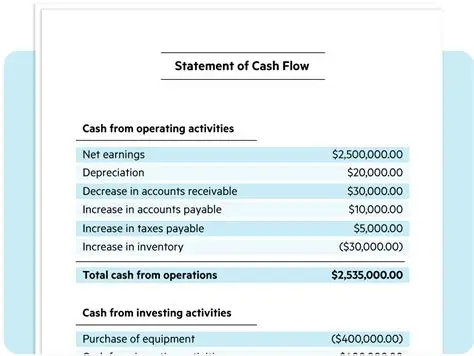
A retailer can be profitable on paper and still run out of money.
That statement feels counterintuitive at first.
After all, profit is supposed to signal success. Revenue is rising. Margins look healthy. Customers are buying. The business appears to be moving in the right direction.
Yet retail history is filled with companies that generated sales, reported profits, and nevertheless found themselves confronting a very different problem: a shortage of cash.
That distinction—between profitability and liquidity—is one of the most important lessons in retail economics.
Profit tells us whether a business earns more than it spends over a given period.
Cash flow tells us whether the business actually has money available when bills come due.
The difference is not academic.
Employees cannot be paid with accounting profits. Suppliers do not accept projected earnings. Rent, freight invoices, marketing commitments, and inventory purchases all require cash.
This is why experienced retail executives often spend as much time thinking about cash flow as they do thinking about sales growth. Sometimes more.
Revenue creates momentum.
Cash creates survival.
And in retail, where inventory investments can be enormous and seasonal fluctuations can reshape financial performance almost overnight, managing cash flow becomes one of the most consequential responsibilities in the business.
What Is Cash Flow in Retail?
Cash flow refers to the movement of money into and out of a retail business.
Cash enters through activities such as:
- Customer purchases
- Credit card transactions
- Financing arrangements
- Investment proceeds
Cash leaves through activities such as:
- Inventory purchases
- Payroll expenses
- Rent payments
- Marketing expenditures
- Supplier invoices
- Technology investments
When incoming cash exceeds outgoing cash, cash flow is positive.
When outgoing cash exceeds incoming cash, cash flow becomes negative.
The objective is not merely generating sales.
The objective is ensuring sufficient cash is available at the right moment.
Timing matters.
Often more than people realize.
Why Cash Flow Matters More Than Profit
One of retail’s enduring paradoxes is that growth can create cash flow pressure.
Imagine a retailer experiencing strong demand.
Sales increase.
Expansion opportunities emerge.
Inventory requirements rise.
Additional employees are hired.
More products must be ordered.
At first glance, everything appears positive.
Yet every one of those activities requires cash.
The retailer may need to purchase inventory months before customers generate revenue from it.
As growth accelerates, cash demands frequently accelerate as well.
This explains why rapidly growing retailers sometimes encounter financial strain despite strong sales performance.
Growth consumes resources.
Cash flow determines whether growth remains sustainable.
The Retail Cash Flow Cycle
Retail operates within a continuous cash flow cycle.
Understanding this cycle is fundamental.
The process generally unfolds as follows:
- Retailer purchases inventory.
- Inventory sits in warehouses or stores.
- Customers buy products.
- Revenue is collected.
- Cash becomes available for future investments.
The challenge lies in the timing.
Inventory purchases typically occur before sales occur.
Sometimes long before.
The longer inventory remains unsold, the longer cash remains tied up.
This is why inventory management and cash flow management are inseparable.
Retailers are not merely managing products.
They are managing the cash embedded within those products.
The Key Drivers of Retail Cash Flow
Several factors exert significant influence over retail cash flow performance.
Some are obvious.
Others are surprisingly overlooked.
Cash Flow Driver Comparison
| Driver | Impact on Cash Flow | Management Priority |
|---|---|---|
| Inventory Levels | Extremely High | Critical |
| Sales Performance | Extremely High | Critical |
| Supplier Payment Terms | High | High |
| Customer Payment Speed | High | High |
| Return Rates | Moderate to High | High |
| Operating Expenses | High | High |
| Capital Investments | Moderate | Moderate |
| Seasonal Demand | Extremely High | Critical |
The table reveals an important insight.
Cash flow is not determined by a single variable.
It emerges from the interaction of multiple operational decisions.
Inventory Management: The Foundation of Cash Flow
Inventory represents one of the largest uses of cash in retail.
Products sitting on shelves may appear valuable.
Financially, however, they represent cash that is temporarily inaccessible.
Until merchandise sells, the investment remains locked inside inventory.
The Inventory-Cash Relationship
Consider a retailer that purchases $500,000 worth of merchandise.
The cash leaves immediately.
Revenue arrives only after customers purchase those products.
If inventory turns quickly, cash returns rapidly.
If inventory moves slowly, cash remains trapped.
This dynamic explains why inventory turnover receives so much attention.
High-performing retailers frequently excel not merely because they sell more products but because they convert inventory into cash more efficiently.
Avoiding Overstock Situations
Excess inventory creates a double burden.
First, cash becomes tied up.
Second, markdown risk increases.
Every unsold product represents both a financial investment and a potential future discount.
Strong inventory discipline therefore serves two objectives simultaneously:
- Protecting margins
- Preserving liquidity
Supplier Relationships and Payment Terms
Cash flow is heavily influenced by the timing of supplier payments.
Retailers rarely pay every invoice immediately.
Instead, suppliers typically offer payment terms.
Examples include:
- Net 30 days
- Net 60 days
- Net 90 days
These arrangements provide retailers with flexibility.
The retailer may sell inventory before the supplier invoice becomes due.
This creates a favorable cash flow dynamic.
Why Payment Terms Matter
Consider two retailers purchasing identical inventory.
Retailer A receives 30-day payment terms.
Retailer B receives 90-day payment terms.
Retailer B enjoys a substantial advantage.
More time exists to generate revenue before cash leaves the business.
Large retailers often negotiate particularly favorable terms because of their purchasing power.
The impact on cash flow can be significant.
Accelerating Customer Payments
Retailers generally benefit from rapid customer payments.
Unlike many business-to-business companies, retailers often collect payment immediately at the point of sale.
This characteristic creates a natural cash flow advantage.
However, modern retail introduces complexities.
Examples include:
- Buy now, pay later programs
- Marketplace transactions
- Commercial accounts
- Gift card liabilities
Each arrangement affects cash timing differently.
Retailers therefore monitor payment flows carefully.
Speed matters.
Managing Operating Expenses
Every dollar spent reduces available cash.
That reality seems obvious.
Yet expense management becomes particularly important during periods of uncertainty.
Major operating expenses include:
- Payroll
- Occupancy costs
- Marketing
- Technology
- Utilities
- Administrative expenses
The objective is not eliminating expenses.
The objective is ensuring expenses generate meaningful value.
Retailers that align spending with strategic priorities often maintain healthier cash positions.
Seasonal Retailing Creates Unique Cash Challenges
Retail cash flow rarely follows a smooth pattern.
Seasonality introduces significant fluctuations.
Holiday-focused retailers provide a useful example.
Inventory purchases often occur months before peak demand arrives.
Cash leaves long before revenue appears.
This creates temporary pressure.
Then, during the holiday season, sales accelerate dramatically.
Cash inflows surge.
The entire annual financial cycle can depend on a relatively short selling window.
Planning for Seasonal Peaks
Successful retailers prepare extensively for these fluctuations.
They forecast:
- Inventory requirements
- Staffing needs
- Marketing expenditures
- Expected revenue
Accurate forecasting helps prevent cash shortages during critical periods.
The stakes are substantial.
Misjudging seasonal demand can create inventory surpluses or stockouts—both of which damage cash flow.
The Impact of Returns on Cash Flow
Returns affect far more than profitability.
They also influence liquidity.
When customers return merchandise:
- Revenue may be reversed.
- Refunds must be processed.
- Inventory may require inspection.
- Restocking costs may occur.
The cash originally received often leaves the business quickly.
This dynamic can create meaningful pressure, particularly in categories with high return rates.
Fashion retail provides a common example.
Returns represent a routine operational reality.
Managing them efficiently becomes essential.
Cash Flow Forecasting: Looking Ahead
Retailers cannot manage cash flow effectively by focusing only on current balances.
They must anticipate future conditions.
Cash flow forecasting provides that visibility.
Forecasts typically estimate:
- Future sales
- Inventory purchases
- Payroll obligations
- Supplier payments
- Marketing investments
- Capital expenditures
The objective is not predicting the future perfectly.
The objective is reducing surprises.
The best forecasts allow retailers to identify potential shortfalls before they become crises.
A Lesson I Learned About Cash Flow
Years ago, I worked with a retailer that appeared remarkably successful from the outside.
Sales growth was impressive.
Customer demand remained strong.
Expansion plans generated enthusiasm throughout the organization.
Yet a deeper review revealed mounting cash flow pressure.
Inventory purchases had increased dramatically in anticipation of future growth. New stores required investment. Marketing budgets expanded.
Revenue was growing.
Cash was disappearing.
The business eventually adjusted course successfully, but the experience reinforced an important lesson.
Growth creates excitement.
Cash flow creates resilience.
A retailer that prioritizes growth while ignoring liquidity may discover that success itself can become a source of financial strain.
That realization changed the way I evaluate retail performance.
Today, whenever I see impressive sales growth, I immediately ask a second question:
What happened to cash?
Technology Improves Cash Flow Visibility
Modern retailers benefit from increasingly sophisticated financial tools.
Technology now supports:
- Real-time inventory monitoring
- Automated forecasting
- Supplier management
- Expense tracking
- Demand planning
These capabilities improve visibility.
Visibility improves decision-making.
Retailers can identify emerging issues earlier and respond more effectively.
The value lies not merely in collecting information but in acting upon it.
How Leading Retailers Strengthen Cash Flow
The strongest retail operators tend to share several characteristics.
Maintain Lean Inventory
They avoid excessive inventory accumulation.
Inventory investments remain closely aligned with demand expectations.
Negotiate Favorable Terms
They cultivate strong supplier relationships.
Better payment terms improve liquidity flexibility.
Prioritize Inventory Turnover
Products move efficiently through the system.
Cash returns more quickly.
Monitor Expenses Carefully
Spending remains disciplined.
Resources support strategic priorities.
Forecast Continuously
Planning becomes an ongoing process rather than an annual exercise.
This allows organizations to respond rapidly when conditions change.
Cash Flow and Strategic Flexibility
Perhaps the most overlooked benefit of strong cash flow is optionality.
Retailers with healthy cash positions enjoy greater flexibility.
They can:
- Invest in growth opportunities
- Expand assortments
- Upgrade technology
- Enter new markets
- Navigate economic uncertainty
Weak cash flow limits choices.
Strong cash flow expands them.
This is why liquidity often becomes a competitive advantage.
Not because customers directly observe it.
But because it enables better decisions throughout the organization.
Conclusion: Cash Flow Is Retail’s Ultimate Reality Check
Retailers devote enormous attention to revenue, customer acquisition, market share, pricing, and growth.
All of these metrics matter.
Yet cash flow occupies a uniquely important position.
It serves as the bridge between strategy and execution.
The provocative truth is that cash flow rarely cares about narratives. It does not reward ambitious presentations, optimistic forecasts, or impressive sales headlines. It reflects operational reality. Inventory must be purchased. Employees must be paid. Suppliers must be compensated. Investments must be funded.
Cash flow therefore becomes one of retail’s most honest metrics.
It reveals whether a business model is functioning efficiently. It exposes weaknesses that revenue alone may conceal. It determines whether opportunities can be pursued and whether challenges can be absorbed.
Ultimately, retailers do not manage cash flow because accountants require it. They manage cash flow because liquidity creates freedom. Freedom to invest. Freedom to innovate. Freedom to endure uncertainty.
And in retail, where timing often matters as much as strategy, that freedom may be one of the most valuable assets a company can possess.
- Arts
- Business
- Computers
- Giochi
- Health
- Home
- Kids and Teens
- Money
- News
- Personal Development
- Recreation
- Regional
- Reference
- Science
- Shopping
- Society
- Sports
- Бизнес
- Деньги
- Дом
- Досуг
- Здоровье
- Игры
- Искусство
- Источники информации
- Компьютеры
- Личное развитие
- Наука
- Новости и СМИ
- Общество
- Покупки
- Спорт
- Страны и регионы
- World

 English
 Russian
 French
 Spanish
 Portuguese
 Deutsch
 Turkish
 Dutch
Dutch
 Arabic
 Romaian
 Portuguese (Brazil)
 Greek
Greek
