
How does inflation affect consumers?
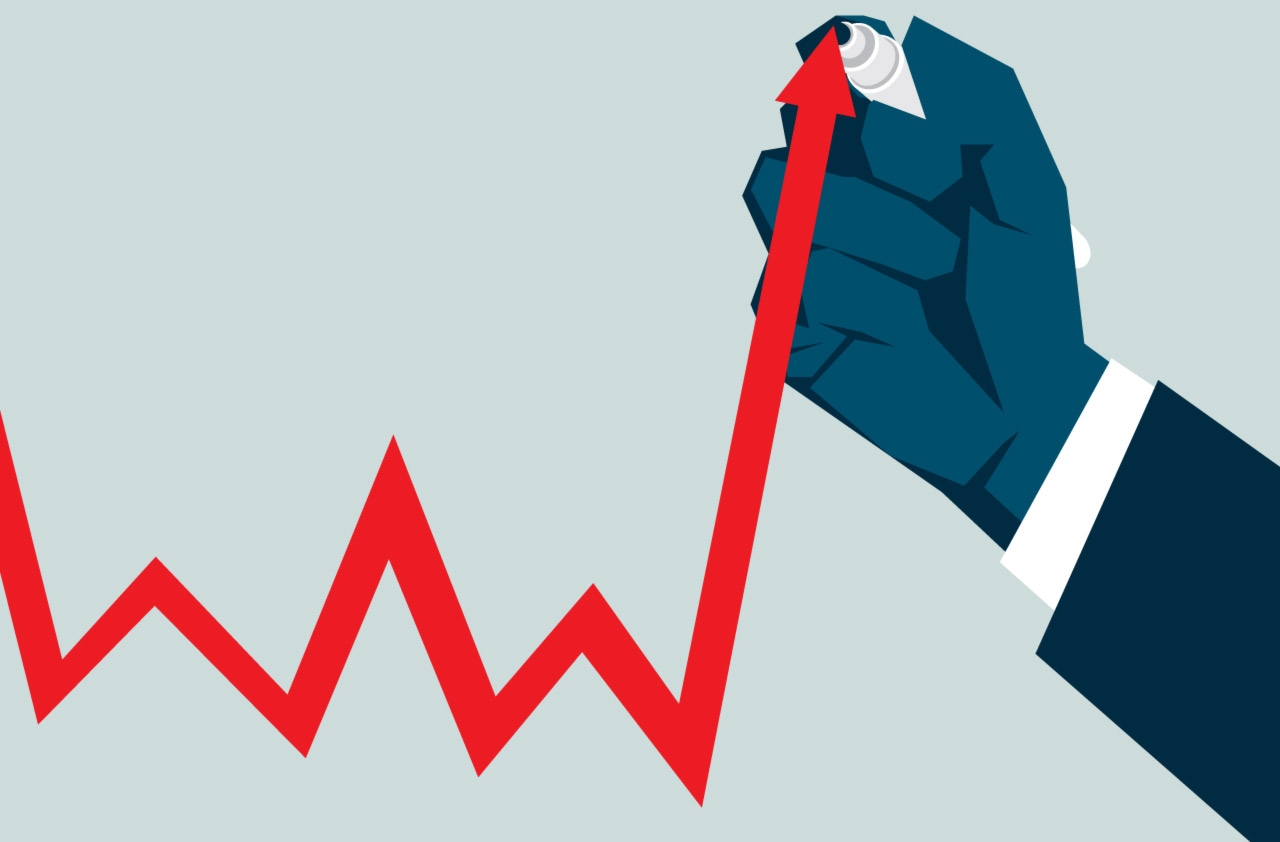
How Does Inflation Affect Consumers?
Inflation is one of the most important economic forces affecting everyday life. It refers to the general increase in the prices of goods and services over time, which reduces the purchasing power of money. While economists often discuss inflation in terms of percentages, interest rates, and monetary policy, its effects are experienced directly by consumers when they shop for groceries, pay rent, fill their cars with fuel, or manage household budgets.
Moderate inflation is a normal part of a growing economy, but high or rapidly rising inflation can create significant challenges for consumers. It affects spending habits, savings, borrowing decisions, wages, and overall financial security. Understanding how inflation influences consumers helps individuals make better financial choices during periods of rising prices.
Reduced Purchasing Power
The most direct effect of inflation is a decline in purchasing power. When prices rise, the same amount of money buys fewer goods and services than before. For example, if inflation causes food prices to increase by 10%, a grocery budget that once covered a family’s weekly shopping may no longer be enough.
This impact is especially noticeable for essential expenses such as:
-
Food and beverages
-
Housing costs
-
Transportation
-
Healthcare
-
Utilities
-
Education
Consumers may have to spend more money to maintain the same standard of living. If their income does not increase at the same rate as inflation, they effectively become poorer because their money loses value.
Higher Cost of Living
Inflation increases the overall cost of living, making it more expensive for households to meet their basic needs. Rising prices can force consumers to adjust their lifestyles, reduce unnecessary spending, or find additional sources of income.
For example, a household facing higher rent, electricity bills, and grocery costs may cut back on entertainment, travel, or purchases of non-essential goods. Over time, persistent inflation can change consumer behavior and influence the types of products people buy.
Lower-income households are often affected the most because they typically spend a larger share of their income on necessities. When prices rise, they have fewer opportunities to reduce spending without affecting their quality of life.
Changes in Consumer Spending Habits
Inflation often changes how consumers make purchasing decisions. When prices rise, people may become more cautious and prioritize essential purchases over optional spending.
Common changes in consumer behavior include:
-
Buying cheaper alternatives or store brands
-
Comparing prices more carefully
-
Waiting for discounts or promotions
-
Reducing purchases of luxury goods
-
Repairing items instead of replacing them
For example, during periods of high inflation, consumers may switch from expensive restaurants to home cooking or choose more affordable clothing brands. Businesses often respond by adjusting their products, pricing strategies, and marketing efforts to match changing consumer preferences.
Impact on Savings
Inflation can reduce the real value of savings. Money stored in a bank account may lose purchasing power if the interest earned is lower than the inflation rate.
For example, if a person has $10,000 saved and inflation is 5% per year, that money will buy less in the future unless it earns a return greater than 5%. This encourages some consumers to look for investments that may provide better protection against inflation.
However, not everyone has access to investment opportunities or financial knowledge. Many households rely on traditional savings accounts, meaning inflation can gradually reduce the value of their accumulated wealth.
Effects on Borrowing and Debt
Inflation has a complicated relationship with borrowing and debt. When inflation rises, central banks often increase interest rates to slow down price increases. Higher interest rates make borrowing more expensive.
Consumers may face higher costs for:
-
Mortgages
-
Car loans
-
Credit card balances
-
Personal loans
For example, someone looking to buy a home may find mortgage payments much higher when interest rates rise in response to inflation. This can make large purchases less affordable.
On the other hand, inflation can reduce the real burden of existing fixed-rate debt. If a consumer borrowed money at a fixed interest rate, they may repay the loan with money that is worth less than when they borrowed it. However, this benefit depends on whether income rises along with inflation.
Impact on Wages and Income
Inflation affects consumers differently depending on how their income changes. If wages increase at the same rate as inflation, consumers may maintain their purchasing power. However, if prices rise faster than wages, real income falls.
For example, a worker receiving a 3% pay increase may still struggle if inflation is 7%. Although their paycheck is larger, they can afford fewer goods and services than before.
Workers with strong bargaining power or jobs in high-demand industries may be better positioned to negotiate higher wages. Others may experience a decline in their living standards if their earnings fail to keep pace with rising prices.
Effects on Retirement Planning
Inflation is a major concern for retirees and people planning for retirement. Many retirees live on fixed incomes, such as pensions or savings withdrawals, which may not automatically increase with inflation.
As prices rise, retirees may find that their income covers fewer expenses over time. Healthcare, housing, and daily living costs can become especially challenging.
To protect against inflation, retirement planning often includes investments designed to grow over time and preserve purchasing power. Without proper planning, inflation can significantly reduce financial security during retirement years.
Impact on Consumer Confidence
Inflation can influence how confident consumers feel about the economy. When people expect prices to continue rising, they may become more cautious about spending and major financial decisions.
Lower consumer confidence can lead to reduced demand for goods and services, which may affect businesses and economic growth. For example, consumers may delay buying homes, cars, or expensive electronics because they are uncertain about future costs.
Expectations matter because they can influence behavior. If consumers believe inflation will remain high, they may purchase goods sooner to avoid future price increases, which can contribute to additional upward pressure on prices.
Differences Across Consumer Groups
Inflation does not affect everyone equally. The impact depends on income, spending patterns, location, and financial situation.
Low-income households
Lower-income consumers are often hit hardest because they spend more of their income on essential goods. They have fewer options to absorb higher costs.
Middle-income households
Middle-income families may experience pressure from rising housing, transportation, and food costs while trying to maintain savings and financial goals.
High-income households
Wealthier consumers may be better protected because they often have investments and assets that can increase in value during inflationary periods. However, they may still face higher costs for goods, services, and borrowing.
How Consumers Can Manage Inflation
Although individuals cannot control inflation, they can take steps to reduce its impact. Some strategies include:
-
Creating and adjusting a household budget regularly
-
Comparing prices before making purchases
-
Reducing unnecessary expenses
-
Building emergency savings when possible
-
Paying down high-interest debt
-
Exploring ways to increase income
-
Investing wisely to protect long-term purchasing power
Being aware of inflation trends can help consumers make better financial decisions and prepare for changing economic conditions.
Conclusion
Inflation affects consumers by reducing purchasing power, increasing living costs, changing spending habits, and influencing saving and borrowing decisions. While moderate inflation is a normal part of economic growth, high inflation can create financial challenges, especially for households with limited income or fixed budgets.
Consumers respond to inflation by adjusting their choices, seeking better value, and making careful financial plans. Understanding how inflation works allows individuals to anticipate its effects and take steps to protect their financial well-being in an environment where prices are constantly changing.
- Arts
- Business
- Computers
- Oyunlar
- Health
- Home
- Kids and Teens
- Money
- News
- Personal Development
- Recreation
- Regional
- Reference
- Science
- Shopping
- Society
- Sports
- Бизнес
- Деньги
- Дом
- Досуг
- Здоровье
- Игры
- Искусство
- Источники информации
- Компьютеры
- Личное развитие
- Наука
- Новости и СМИ
- Общество
- Покупки
- Спорт
- Страны и регионы
- World

 English
 Russian
 French
 Spanish
 Portuguese
 Deutsch
 Dutch
Dutch
 Italiano
 Arabic
 Romaian
 Portuguese (Brazil)
 Greek
Greek
