
Does rising oil prices cause inflation?
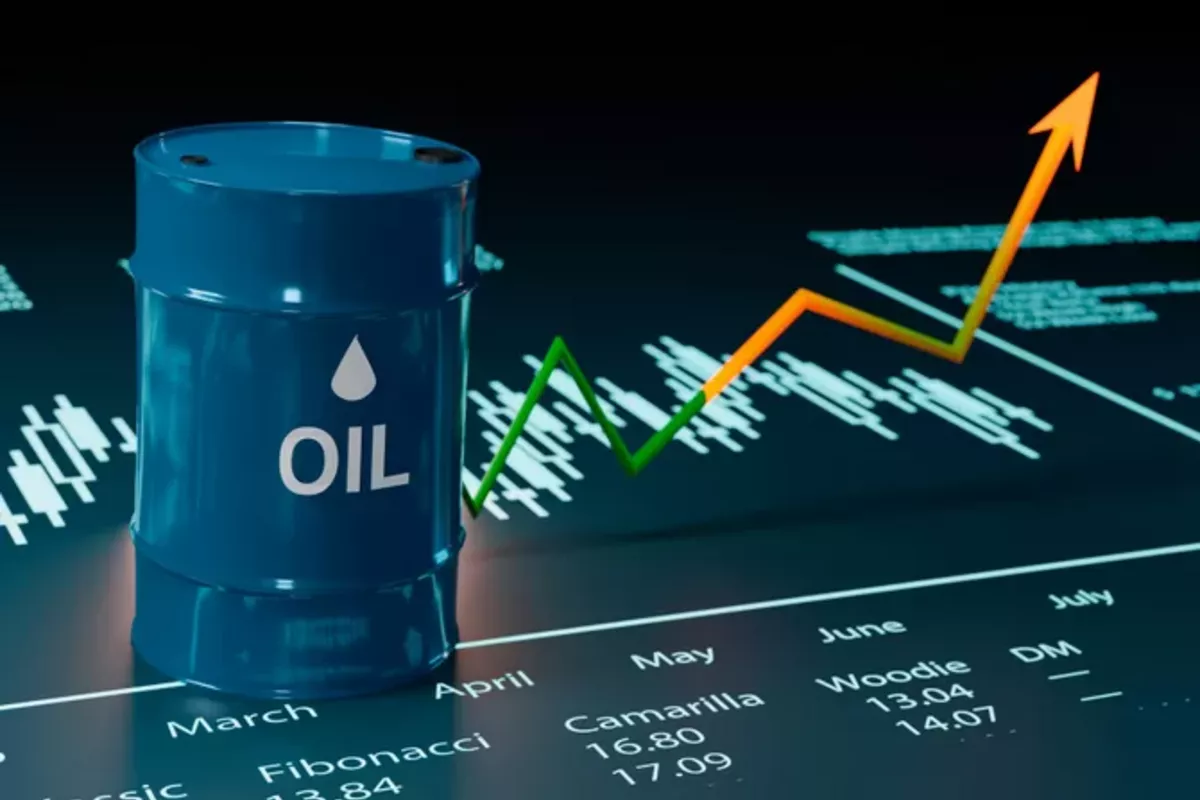
Does Rising Oil Prices Cause Inflation?
Oil is one of the world's most important commodities. It powers transportation, fuels industries, and serves as a key ingredient in countless products. Because of its central role in the global economy, changes in oil prices can have far-reaching effects. One common question is: Does rising oil prices cause inflation? The short answer is yes, but the relationship is more complex than it may seem.
This article explains how higher oil prices influence inflation, why the impact varies across countries, and whether rising oil prices always lead to sustained inflation.
Understanding Inflation
Inflation is the rate at which the general price level of goods and services increases over time. As prices rise, the purchasing power of money declines, meaning consumers can buy fewer goods and services with the same amount of money.
Inflation can be caused by several factors, including:
-
Increased demand for goods and services.
-
Higher production costs.
-
Expansion of the money supply.
-
Supply chain disruptions.
-
Rising energy prices, particularly oil.
Oil prices typically contribute to what economists call cost-push inflation, where businesses face higher production costs and pass those costs on to consumers.
Why Oil Prices Matter
Oil affects almost every part of the economy because it is essential for:
-
Transportation (cars, trucks, ships, airplanes)
-
Manufacturing
-
Agriculture
-
Electricity generation in some countries
-
Heating and industrial processes
-
Petrochemical products such as plastics and fertilizers
When oil becomes more expensive, businesses throughout the supply chain experience higher operating costs.
How Rising Oil Prices Cause Inflation
1. Higher Transportation Costs
Transportation relies heavily on gasoline, diesel, and jet fuel, all of which are refined from crude oil.
When oil prices increase:
-
Shipping companies pay more for fuel.
-
Airlines raise ticket prices.
-
Trucking companies increase freight charges.
-
Public transportation may become more expensive.
Since nearly every product must be transported at some point, these higher costs eventually reach consumers.
2. Increased Manufacturing Costs
Many factories depend on oil directly or indirectly for production.
Higher oil prices increase the cost of:
-
Operating machinery
-
Producing plastics
-
Packaging materials
-
Chemical manufacturing
-
Industrial equipment
Manufacturers often raise prices to protect their profit margins.
3. More Expensive Food
Food production depends heavily on energy.
Oil is used for:
-
Farm machinery
-
Irrigation equipment
-
Fertilizer production
-
Food processing
-
Refrigerated transportation
As oil prices rise, grocery prices often increase as well.
4. Higher Costs for Everyday Goods
Many consumer products contain petroleum-based materials, including:
-
Plastic containers
-
Clothing made from synthetic fibers
-
Cosmetics
-
Cleaning products
-
Electronics
-
Furniture
Rising oil prices increase production costs across many industries.
Cost-Push Inflation Explained
Oil-driven inflation is a classic example of cost-push inflation.
The process usually works like this:
-
Oil prices increase.
-
Businesses pay more for fuel and production.
-
Operating costs rise.
-
Companies increase product prices.
-
Consumers pay more.
-
The overall inflation rate rises.
Unlike demand-driven inflation, consumers are not buying more goods—they are simply paying higher prices because production has become more expensive.
Does Every Oil Price Increase Cause Inflation?
Not necessarily.
Several factors determine how much inflation results from higher oil prices.
The Size of the Price Increase
Small increases may have little effect.
Sharp increases, however, can spread quickly throughout the economy.
For example:
-
A 5% increase in oil prices may barely affect inflation.
-
A 50% increase can significantly raise transportation and production costs.
How Long Prices Stay High
Temporary price spikes usually have limited effects.
If oil prices remain elevated for months or years, businesses are more likely to permanently increase prices.
Economic Conditions
During periods of weak demand, businesses may absorb some higher costs rather than raise prices.
During strong economic growth, companies are often more able to pass higher costs on to consumers.
Historical Examples
The 1970s Oil Crisis
One of the best-known examples occurred during the 1973 oil embargo.
Oil prices rose dramatically after major oil-producing nations reduced exports.
The result included:
-
Rapid inflation
-
Slower economic growth
-
Rising unemployment
This combination became known as stagflation, a rare situation where inflation and economic stagnation occur simultaneously.
2021–2022 Energy Price Surge
Following the COVID-19 pandemic, energy demand recovered faster than supply.
Geopolitical tensions, supply constraints, and increased demand pushed oil prices significantly higher.
Many countries experienced:
-
Higher gasoline prices
-
Increased food costs
-
Rising transportation expenses
-
Elevated overall inflation
Although oil was not the only cause of inflation during this period, it was an important contributor.
Why Some Countries Are More Affected
The inflationary impact of oil depends on a country's economy.
Oil-Importing Countries
Countries that import most of their oil generally experience stronger inflation when global oil prices rise.
Higher import costs affect:
-
Fuel
-
Electricity
-
Transportation
-
Manufacturing
Oil-Exporting Countries
Oil-producing countries may benefit from higher export revenues.
However, domestic inflation can still rise if fuel prices increase or if governments reduce energy subsidies.
Can Governments Reduce the Impact?
Governments have several tools to reduce the inflationary effects of rising oil prices.
These include:
-
Temporary fuel tax reductions
-
Fuel subsidies
-
Strategic petroleum reserve releases
-
Investments in renewable energy
-
Improving energy efficiency
These measures may soften the immediate impact but often cannot completely offset sustained increases in global oil prices.
How Central Banks Respond
Central banks closely monitor oil prices because they influence inflation expectations.
If higher oil prices begin causing widespread inflation, central banks may:
-
Raise interest rates.
-
Slow borrowing and spending.
-
Reduce inflationary pressures.
However, central banks face a challenge because oil price increases represent a supply shock rather than excessive consumer demand. Raising interest rates cannot produce more oil, but it can help prevent temporary price increases from turning into long-term inflation.
Are Oil Prices Less Important Than Before?
Compared with several decades ago, many economies have become less dependent on oil.
Reasons include:
-
Improved fuel efficiency
-
Growth of renewable energy
-
Expansion of electric vehicles
-
More energy-efficient manufacturing
-
Greater reliance on service industries
As a result, oil price increases generally have a smaller effect on inflation today than they did during the 1970s.
However, oil remains essential to transportation and global trade, meaning its price still influences inflation significantly.
Other Factors That Influence Inflation
Oil prices are only one piece of the inflation puzzle.
Other important factors include:
-
Wage growth
-
Consumer demand
-
Government spending
-
Monetary policy
-
Supply chain disruptions
-
Exchange rates
-
Commodity prices
Inflation often results from several factors occurring simultaneously rather than from rising oil prices alone.
Conclusion
Rising oil prices can indeed cause inflation by increasing transportation, manufacturing, agricultural, and production costs throughout the economy. Businesses often pass these higher expenses on to consumers, leading to higher prices for a wide range of goods and services. This is known as cost-push inflation.
However, higher oil prices do not always produce sustained inflation. The overall impact depends on the size and duration of the price increase, the strength of the economy, government policies, and central bank responses. While modern economies are generally less dependent on oil than they were decades ago, energy prices remain an important driver of inflation worldwide.
Understanding the relationship between oil prices and inflation helps consumers, businesses, and policymakers make better financial decisions and anticipate how changes in energy markets can affect the broader economy.
- Arts
- Business
- Computers
- Игры
- Health
- Главная
- Kids and Teens
- Деньги
- News
- Personal Development
- Recreation
- Regional
- Reference
- Science
- Shopping
- Society
- Sports
- Бизнес
- Деньги
- Дом
- Досуг
- Здоровье
- Игры
- Искусство
- Источники информации
- Компьютеры
- Личное развитие
- Наука
- Новости и СМИ
- Общество
- Покупки
- Спорт
- Страны и регионы
- World

 English
 French
 Spanish
 Portuguese
 Deutsch
 Turkish
 Dutch
Dutch
 Italiano
 Arabic
 Romaian
 Portuguese (Brazil)
 Greek
Greek
