
What is the Producer Price Index (PPI)?
What Is the Producer Price Index (PPI)?
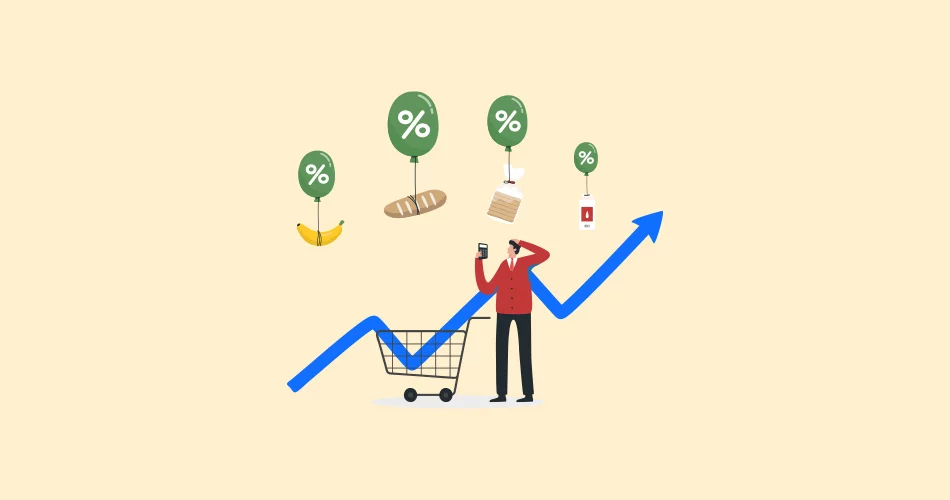
The Producer Price Index (PPI) is an economic indicator that measures the average change in prices that producers receive for their goods and services over time. Unlike consumer-focused inflation measures, the PPI tracks prices at the wholesale or production level before products reach retailers and consumers. Governments, businesses, investors, and economists closely monitor the PPI because it provides valuable insights into inflation trends and future economic conditions.
Understanding the PPI is essential for anyone interested in economics, investing, or business, as it often serves as an early signal of changes in consumer prices.
Understanding the Producer Price Index
The Producer Price Index is published monthly by government statistical agencies. In the United States, it is compiled by the U.S. Bureau of Labor Statistics (BLS). The index measures the average change in selling prices received by domestic producers for their output.
Instead of focusing on what consumers pay, the PPI examines what producers receive when they sell products or services. These producers include manufacturers, farmers, mining companies, utilities, wholesalers, and many service providers.
For example, if a furniture manufacturer raises the price of a dining table from $400 to $420, that price increase contributes to the PPI. If retailers later pass the higher cost on to customers, it may eventually be reflected in the Consumer Price Index (CPI).
How the PPI Works
The PPI compares current prices with prices during a selected base period. The index is expressed as a numerical value where the base period equals 100.
Suppose the PPI for a certain industry rises from 120 to 126 over one year. This means producer prices have increased by approximately 5% during that period.
The index tracks thousands of products and services across various industries, including:
-
Manufacturing
-
Agriculture
-
Mining
-
Construction
-
Utilities
-
Transportation
-
Healthcare
-
Professional services
By collecting pricing data from businesses every month, statistical agencies create an overall picture of price changes throughout the economy.
Types of Producer Price Indexes
The PPI consists of several categories that measure price movements from different perspectives.
1. Industry-Based PPIs
These indexes measure price changes within specific industries, such as:
-
Automobile manufacturing
-
Steel production
-
Food processing
-
Energy production
Businesses often use these indexes to compare pricing trends within their own industries.
2. Commodity-Based PPIs
Commodity indexes track similar products regardless of the industry producing them. Examples include:
-
Wheat
-
Crude oil
-
Lumber
-
Chemicals
-
Metals
These indexes are useful for monitoring raw material costs.
3. Final Demand and Intermediate Demand
Many countries publish PPIs based on the stage of production.
-
Final Demand PPI measures prices for products sold to final users.
-
Intermediate Demand PPI tracks goods and services sold to businesses for further processing before reaching consumers.
This approach helps economists identify where inflation is building within supply chains.
What Causes the PPI to Rise?
Several factors can increase producer prices, including:
Higher Raw Material Costs
When commodities such as oil, steel, or agricultural products become more expensive, manufacturers often pay more to produce goods.
Labor Costs
Wage increases raise production expenses, which businesses may pass along through higher prices.
Supply Chain Disruptions
Transportation delays, shortages, and production bottlenecks can reduce supply and increase costs.
Strong Consumer Demand
High demand encourages producers to increase prices because customers are willing to pay more.
Government Policies
Tariffs, taxes, environmental regulations, and trade restrictions may raise production costs.
What Causes the PPI to Fall?
Producer prices may decline due to:
-
Lower commodity prices
-
Increased production efficiency
-
Weak consumer demand
-
Technological improvements
-
Greater market competition
-
Falling transportation costs
Declining PPIs can indicate easing inflationary pressures, although persistent declines may also suggest slowing economic activity.
Why the Producer Price Index Matters
Early Inflation Indicator
The PPI often changes before the Consumer Price Index because producers typically experience cost increases first.
If manufacturers face higher costs today, retailers may raise consumer prices in the coming months.
Business Planning
Companies monitor PPI trends to:
-
Set pricing strategies
-
Forecast production costs
-
Negotiate supplier contracts
-
Prepare budgets
Investment Decisions
Investors use the PPI to evaluate inflation risks that may affect:
-
Stock prices
-
Bond yields
-
Commodity markets
-
Interest rates
Monetary Policy
Central banks monitor producer inflation when making decisions about interest rates.
A rapidly rising PPI may signal growing inflation, potentially leading policymakers to raise interest rates to cool the economy.
Producer Price Index vs. Consumer Price Index
Although both measure inflation, they focus on different stages of the economy.
| Producer Price Index (PPI) | Consumer Price Index (CPI) |
|---|---|
| Measures prices received by producers | Measures prices paid by consumers |
| Tracks wholesale prices | Tracks retail prices |
| Acts as an early inflation signal | Reflects inflation experienced by households |
| Focuses on businesses | Focuses on consumers |
The PPI often changes before the CPI because businesses generally adjust retail prices after production costs increase.
How Businesses Use the PPI
Many businesses rely on the PPI for financial planning.
For example:
-
Construction companies use it to estimate future material costs.
-
Manufacturers forecast production expenses.
-
Government agencies adjust contract payments using PPI data.
-
Suppliers negotiate long-term pricing agreements based on inflation trends.
Businesses can better manage profitability by anticipating future price movements.
How Investors Use the PPI
Financial markets react quickly to monthly PPI reports.
A higher-than-expected PPI may suggest:
-
Rising inflation
-
Higher interest rates
-
Pressure on corporate profit margins
Conversely, a lower-than-expected reading may indicate slowing inflation, which could support stock prices and reduce expectations for interest rate increases.
Bond markets are particularly sensitive because inflation reduces the purchasing power of future interest payments.
Limitations of the Producer Price Index
Although useful, the PPI has some limitations.
It Doesn't Measure Consumer Prices
The PPI reflects prices received by producers, not what consumers ultimately pay.
Cost Increases Are Not Always Passed On
Businesses sometimes absorb higher costs instead of raising prices, especially in competitive markets.
Volatile Components
Energy and food prices can fluctuate sharply due to weather, geopolitical events, and commodity markets.
For this reason, economists often examine the Core PPI, which excludes food and energy to identify underlying inflation trends.
Industry Differences
Price movements vary significantly between industries, making it difficult to generalize from a single PPI reading.
Real-World Example
Imagine crude oil prices increase by 20%.
Oil refineries pay more for crude oil, causing fuel production costs to rise. Transportation companies then face higher fuel expenses, increasing shipping costs. Manufacturers eventually pay more to transport raw materials and finished goods.
These higher costs appear first in the PPI. Later, retailers may increase prices for products ranging from groceries to electronics, causing the CPI to rise.
This sequence illustrates why the PPI is considered a leading indicator of inflation.
Conclusion
The Producer Price Index (PPI) is one of the most important measures of inflation at the producer level. By tracking changes in the prices businesses receive for their goods and services, the PPI offers an early view of inflationary pressures before they reach consumers.
Businesses use the PPI to manage costs and pricing strategies, investors rely on it to assess market conditions, and policymakers consider it when shaping monetary policy. Although it has limitations, the PPI remains a valuable tool for understanding economic trends and anticipating future movements in inflation.
Whether you're a business owner, investor, student, or simply interested in the economy, understanding the Producer Price Index can help you make more informed financial and economic decisions.
- Arts
- Business
- Computers
- Jogos
- Health
- Início
- Kids and Teens
- Money
- News
- Personal Development
- Recreation
- Regional
- Reference
- Science
- Shopping
- Society
- Sports
- Бизнес
- Деньги
- Дом
- Досуг
- Здоровье
- Игры
- Искусство
- Источники информации
- Компьютеры
- Личное развитие
- Наука
- Новости и СМИ
- Общество
- Покупки
- Спорт
- Страны и регионы
- World

 English
 Russian
 French
 Spanish
 Deutsch
 Turkish
 Dutch
Dutch
 Italiano
 Arabic
 Romaian
 Portuguese (Brazil)
 Greek
Greek
