
Inflation vs. recession
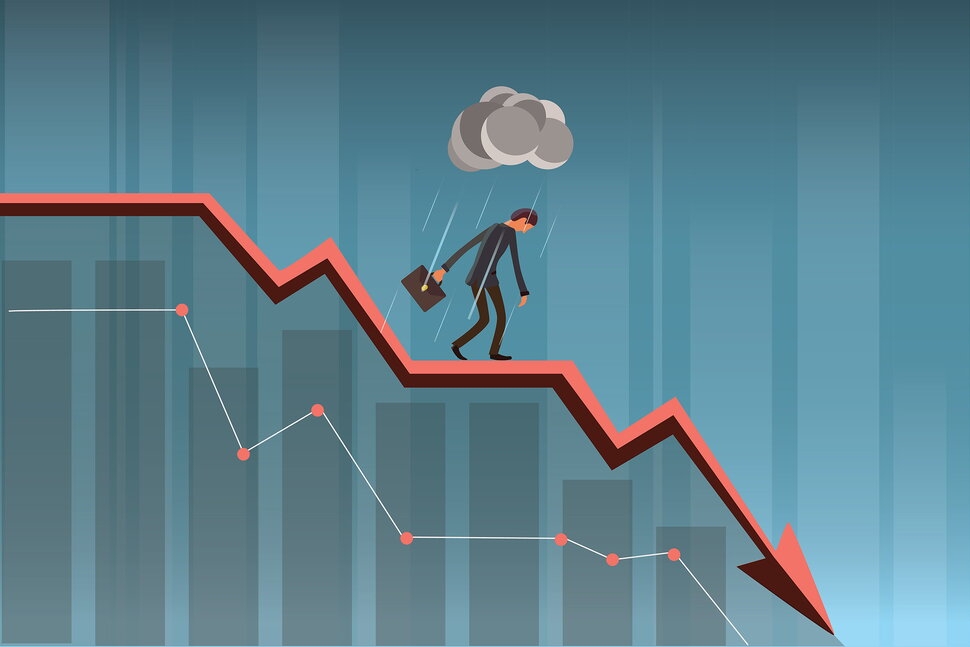
Inflation vs. Recession: Understanding the Differences and Relationship
Inflation and recession are two of the most important concepts in economics, and both can have a significant impact on households, businesses, governments, and financial markets. While they are often discussed together, they describe very different economic conditions. Inflation refers to a general rise in prices over time, while a recession refers to a decline in overall economic activity. Understanding the difference between inflation and recession can help people make better financial decisions and understand broader economic trends.
What Is Inflation?
Inflation is the rate at which the prices of goods and services increase over a period of time. When inflation occurs, the purchasing power of money decreases, meaning consumers can buy fewer goods and services with the same amount of money.
For example, if a basket of groceries costs $100 today and inflation causes prices to rise by 5% over a year, the same basket may cost $105 the following year. Although the amount of money has not changed, its value has declined.
Inflation can occur for several reasons:
-
Demand-pull inflation: This happens when demand for goods and services grows faster than the economy’s ability to produce them. When too many consumers compete for limited products, businesses often raise prices.
-
Cost-push inflation: This occurs when production costs increase, such as higher wages, energy prices, or raw material costs. Businesses may pass these higher costs on to consumers through higher prices.
-
Monetary inflation: When the money supply grows too quickly compared with economic output, excess money can lead to rising prices.
Moderate inflation is often considered a normal part of a growing economy. However, high or unpredictable inflation can create financial challenges by reducing savings value, increasing living costs, and making long-term planning more difficult.
What Is a Recession?
A recession is a significant and widespread decline in economic activity. It usually involves falling production, reduced consumer spending, lower business investment, and weaker employment conditions.
Economists often identify recessions by looking at indicators such as:
-
Declining gross domestic product (GDP)
-
Rising unemployment
-
Reduced consumer confidence
-
Lower business profits
-
Decreased industrial production
During a recession, businesses may experience lower demand for their products and services. As a result, they may reduce hiring, cut costs, or delay expansion plans. Consumers may also reduce spending because of concerns about job security or income.
Recessions can be caused by many factors, including financial crises, sudden drops in demand, supply disruptions, rising interest rates, or major economic shocks.
Key Differences Between Inflation and Recession
Although inflation and recession both affect the economy, they represent opposite economic forces.
| Inflation | Recession |
|---|---|
| Prices generally rise | Economic activity declines |
| Purchasing power decreases | Employment opportunities often decrease |
| Demand may exceed supply | Demand for goods and services often falls |
| Interest rates may rise to slow the economy | Interest rates may fall to encourage growth |
| Businesses may face higher costs | Businesses may face lower sales |
Inflation focuses mainly on changes in prices, while a recession focuses on changes in economic output and employment.
How Inflation and Recession Are Connected
Inflation and recession are different, but they can influence each other. One of the most challenging economic situations occurs when high inflation and weak economic growth happen at the same time. This condition is known as stagflation.
A common way inflation can contribute to a recession is through higher interest rates. When inflation becomes too high, central banks may increase interest rates to slow spending and borrowing. Higher interest rates make loans more expensive, which can reduce consumer purchases and business investment. If economic activity slows too much, the economy may enter a recession.
For example, if a central bank raises interest rates significantly to control rising prices, consumers may spend less on homes, cars, and other major purchases. Businesses may also postpone expansion because borrowing becomes more expensive. This reduction in demand can weaken economic growth.
However, recessions can also reduce inflation. When people spend less and businesses face weaker demand, companies may lower prices or slow price increases. Reduced economic activity can ease inflationary pressures.
Effects of Inflation on Individuals and Businesses
Inflation affects people differently depending on their income, savings, and spending habits.
Consumers
Higher inflation increases the cost of everyday necessities such as food, housing, transportation, and healthcare. People with fixed incomes, such as retirees receiving fixed payments, may be especially affected because their income may not rise as quickly as prices.
Consumers may respond by:
-
Reducing unnecessary spending
-
Searching for cheaper alternatives
-
Increasing income through wage growth or additional work
-
Adjusting saving and investment strategies
Businesses
Businesses often face higher costs for materials, labor, and transportation during periods of inflation. Companies may increase prices to maintain profit margins, but if prices rise too much, customers may reduce purchases.
Inflation can also create uncertainty, making it harder for businesses to plan investments and future growth.
Effects of Recession on Individuals and Businesses
Recessions often create challenges related to employment and income.
Consumers
During recessions, individuals may experience:
-
Job losses or reduced working hours
-
Lower income growth
-
Greater financial uncertainty
-
Difficulty obtaining credit
People may become more cautious with spending, which can further reduce demand and slow economic recovery.
Businesses
Companies may face declining sales and reduced profits during recessions. Some businesses respond by:
-
Cutting expenses
-
Reducing hiring
-
Delaying investments
-
Restructuring operations
However, recessions can also create opportunities. Companies that adapt effectively may gain market share, and investors may find opportunities when asset prices decline.
Inflation vs. Recession: Which Is Worse?
There is no simple answer because the effects depend on the severity and duration of each condition.
High inflation can be damaging because it reduces purchasing power and creates uncertainty. People may struggle to afford basic goods, and businesses may find it difficult to predict costs.
A recession can be harmful because it often leads to unemployment, lower incomes, and reduced economic opportunities. A severe recession can affect millions of people and may take years to recover from.
The most difficult situation is when both occur together. Stagflation combines the problems of inflation and recession: prices continue rising while economic growth weakens and unemployment increases.
How Governments and Central Banks Respond
Governments and central banks use various tools to manage inflation and recessions.
Fighting Inflation
To reduce inflation, central banks may:
-
Raise interest rates
-
Reduce the money supply
-
Encourage saving rather than borrowing
Governments may also reduce spending or introduce policies designed to increase supply.
Fighting Recession
To support economic growth during a recession, policymakers may:
-
Lower interest rates
-
Increase government spending
-
Provide financial support to individuals and businesses
-
Encourage investment and job creation
The challenge is finding the right balance. Policies that reduce inflation can sometimes slow economic growth, while policies that stimulate growth can sometimes increase inflation.
How Individuals Can Prepare
Whether the economy faces inflation, recession, or both, individuals can take steps to improve financial stability:
-
Maintain an emergency fund
-
Avoid excessive debt
-
Diversify investments
-
Review spending habits
-
Continue developing skills that improve employment opportunities
Financial preparation can help people handle changing economic conditions more effectively.
Conclusion
Inflation and recession are two distinct economic challenges with different causes and effects. Inflation occurs when prices rise and money loses purchasing power, while a recession occurs when economic activity declines and growth slows. Although they are different, they can be connected, as efforts to control inflation may sometimes contribute to slower economic growth.
Understanding the difference between inflation and recession helps individuals, businesses, and policymakers make better decisions. While both conditions can create difficulties, effective economic policies and sound personal financial planning can reduce their impact and support long-term stability.
- Arts
- Business
- Computers
- Jocuri
- Health
- Home
- Kids and Teens
- Money
- News
- Personal Development
- Recreation
- Regional
- Reference
- Science
- Shopping
- Society
- Sports
- Бизнес
- Деньги
- Дом
- Досуг
- Здоровье
- Игры
- Искусство
- Источники информации
- Компьютеры
- Личное развитие
- Наука
- Новости и СМИ
- Общество
- Покупки
- Спорт
- Страны и регионы
- World

 English
 Russian
 French
 Spanish
 Portuguese
 Deutsch
 Turkish
 Dutch
Dutch
 Italiano
 Arabic
 Portuguese (Brazil)
 Greek
Greek
