
What is the difference between inflation and deflation?
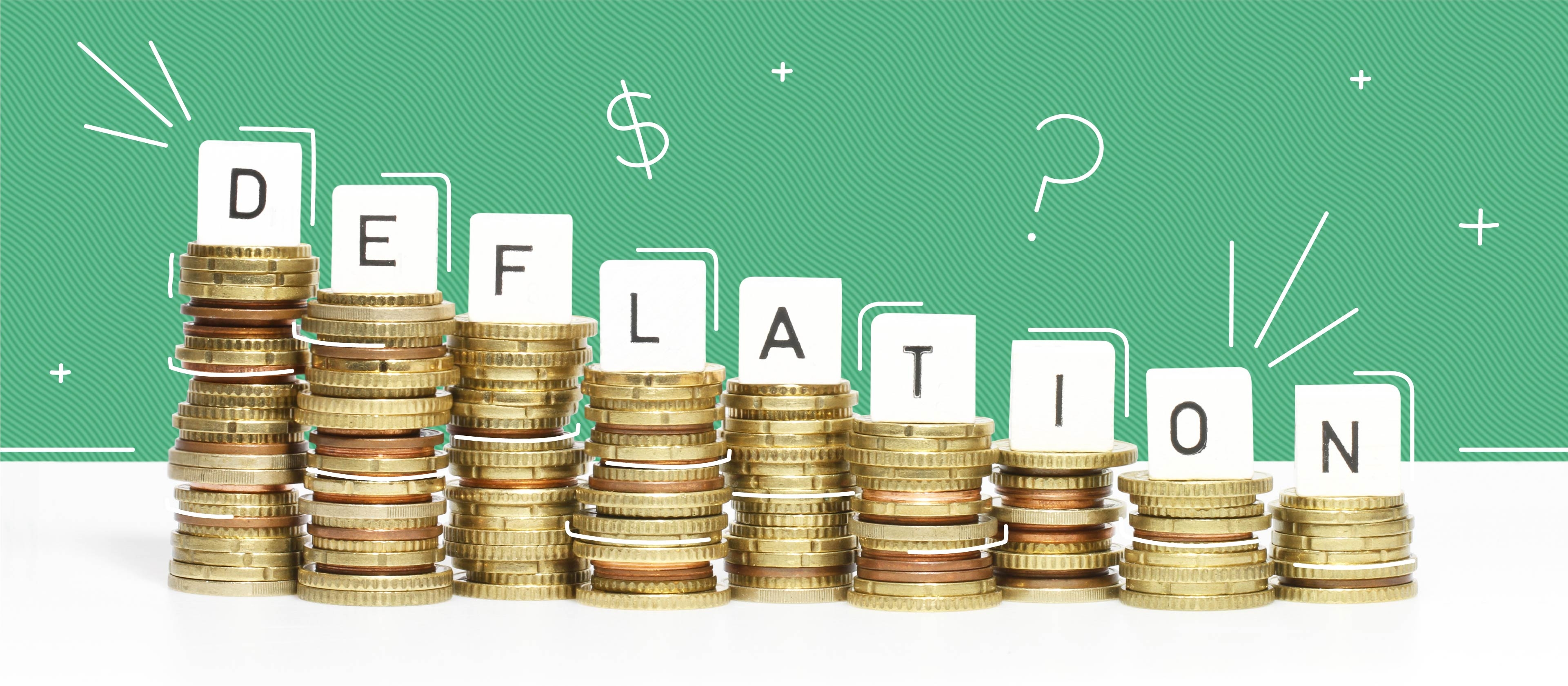
What Is the Difference Between Inflation and Deflation?
The economy is constantly changing, and one of the biggest factors influencing businesses, consumers, and governments is the movement of prices. Two of the most important concepts related to price changes are inflation and deflation. While they represent opposite economic conditions, both have significant effects on purchasing power, employment, investments, and overall economic growth.
Understanding the difference between inflation and deflation helps individuals make better financial decisions and provides insight into how economies function.
What Is Inflation?
Inflation is the rate at which the general prices of goods and services increase over time. As prices rise, the purchasing power of money decreases. In simple terms, each unit of currency buys fewer goods and services than it did before.
For example, if a loaf of bread costs $2 today and inflation is 5% over the next year, that same loaf may cost around $2.10 the following year.
Common Causes of Inflation
Several factors can lead to inflation, including:
-
Demand-pull inflation: Consumer demand exceeds the available supply of goods and services.
-
Cost-push inflation: Rising production costs, such as wages or raw materials, force businesses to increase prices.
-
Expansion of the money supply: When more money circulates in the economy without a corresponding increase in production, prices often rise.
-
Supply chain disruptions: Shortages of goods can increase prices due to limited availability.
Effects of Inflation
Moderate inflation is generally considered healthy because it encourages spending and investment. However, high inflation can create serious problems.
Positive effects include:
-
Encourages consumers to spend rather than delay purchases.
-
Supports business growth through increased demand.
-
Can help reduce the real value of debt over time.
Negative effects include:
-
Reduces purchasing power.
-
Increases the cost of living.
-
Creates uncertainty for businesses and investors.
-
May require higher interest rates to control rising prices.
What Is Deflation?
Deflation is the opposite of inflation. It occurs when the general price level of goods and services falls over time. During deflation, the purchasing power of money increases because each dollar buys more than it did previously.
For example, a laptop costing $1,000 today might sell for $950 next year due to widespread price declines.
Although lower prices may seem beneficial, prolonged deflation often signals economic weakness.
Common Causes of Deflation
Deflation typically results from reduced economic activity, including:
-
Falling consumer demand.
-
Excess supply of goods.
-
Reduced money supply or limited credit.
-
Increased productivity that significantly lowers production costs.
-
Economic recessions that reduce spending and investment.
Effects of Deflation
Deflation has both advantages and disadvantages, though persistent deflation is generally viewed as harmful.
Potential benefits include:
-
Increased purchasing power for consumers.
-
Lower prices on everyday goods.
-
Reduced costs for some businesses.
Negative effects include:
-
Consumers delay purchases, expecting prices to fall further.
-
Businesses earn lower revenues.
-
Companies may reduce production or lay off workers.
-
Debt becomes more expensive in real terms because money gains value over time.
-
Economic growth slows or contracts.
Key Differences Between Inflation and Deflation
| Inflation | Deflation |
|---|---|
| Prices rise over time | Prices fall over time |
| Purchasing power decreases | Purchasing power increases |
| Money loses value | Money gains value |
| Consumers tend to spend sooner | Consumers often delay spending |
| Can stimulate economic growth when moderate | Often slows economic activity |
| Debt becomes easier to repay | Debt becomes harder to repay |
| Central banks may raise interest rates | Central banks may lower interest rates |
Which Is More Dangerous?
Neither inflation nor deflation is desirable when it becomes extreme.
High Inflation
Excessive inflation can rapidly reduce living standards. When prices increase faster than wages, households struggle to afford necessities like food, housing, and healthcare. Businesses also face higher operating costs, making long-term planning more difficult.
Hyperinflation, an extreme form of inflation, can severely damage an economy by causing people to lose confidence in the currency.
Persistent Deflation
Long-lasting deflation can be equally harmful. As consumers postpone spending, businesses experience declining sales and profits. This often leads to layoffs, lower wages, and reduced investment, creating a cycle of weaker economic activity.
For this reason, many economists believe persistent deflation is especially difficult to reverse.
How Central Banks Respond
Central banks aim to maintain stable prices by using monetary policy.
During Inflation
To reduce inflation, central banks often:
-
Increase interest rates.
-
Reduce the money supply.
-
Encourage saving over borrowing.
These measures help slow spending and bring price growth under control.
During Deflation
To combat deflation, central banks may:
-
Lower interest rates.
-
Increase the money supply.
-
Purchase government securities through quantitative easing.
-
Encourage lending and investment.
These policies aim to stimulate economic activity and increase demand.
Real-World Examples
Inflation Example
Many countries experienced elevated inflation following the COVID-19 pandemic due to supply chain disruptions, strong consumer demand, labor shortages, and expansionary fiscal and monetary policies. As prices rose rapidly, central banks responded by increasing interest rates to slow inflation.
Deflation Example
Japan experienced extended periods of deflation beginning in the 1990s after the collapse of its asset price bubble. Weak consumer demand and slow economic growth contributed to falling prices, making it difficult for policymakers to restore sustained inflation.
How Inflation and Deflation Affect Everyday Life
Both conditions influence personal finances in different ways.
Savings
-
Inflation reduces the purchasing power of money held in savings unless interest earnings keep pace with inflation.
-
Deflation increases the purchasing power of savings but may coincide with weaker economic conditions.
Borrowing
-
Inflation benefits borrowers because loans are repaid with money that is worth less over time.
-
Deflation benefits lenders, as borrowed money becomes more valuable when repaid.
Employment
-
Moderate inflation often supports hiring and wage growth.
-
Deflation frequently leads businesses to cut costs, which may result in layoffs and higher unemployment.
Investing
-
Inflation may benefit investments such as real estate, commodities, and stocks of companies with pricing power.
-
Deflation often pushes investors toward safer assets, though falling corporate profits can weigh on stock markets.
Why Stable Inflation Is Preferred
Most central banks aim for a low and stable inflation rate—often around 2% annually. This target balances the risks of inflation and deflation.
Stable inflation:
-
Encourages spending and investment.
-
Supports steady wage growth.
-
Helps businesses plan for the future.
-
Provides flexibility for monetary policy.
-
Reduces the likelihood of severe economic downturns.
Maintaining this balance is one of the primary goals of modern economic policy.
Conclusion
Inflation and deflation represent opposite movements in the overall price level, but both have profound effects on economies and individuals. Inflation reduces the purchasing power of money as prices rise, while deflation increases purchasing power by lowering prices. Moderate inflation is generally associated with healthy economic growth, whereas prolonged deflation often reflects weak demand and slowing economic activity.
Understanding these concepts allows consumers, investors, and businesses to make informed financial decisions. By recognizing how inflation and deflation affect spending, saving, borrowing, and investing, individuals can better prepare for changing economic conditions and protect their financial well-being.
- Arts
- Business
- Computers
- Spellen
- Health
- Home
- Kids and Teens
- Money
- News
- Personal Development
- Recreation
- Regional
- Reference
- Science
- Shopping
- Society
- Sports
- Бизнес
- Деньги
- Дом
- Досуг
- Здоровье
- Игры
- Искусство
- Источники информации
- Компьютеры
- Личное развитие
- Наука
- Новости и СМИ
- Общество
- Покупки
- Спорт
- Страны и регионы
- World

 English
 Russian
 French
 Spanish
 Portuguese
 Deutsch
 Turkish
 Italiano
 Arabic
 Romaian
 Portuguese (Brazil)
 Greek
Greek
