
How should I budget during inflation?
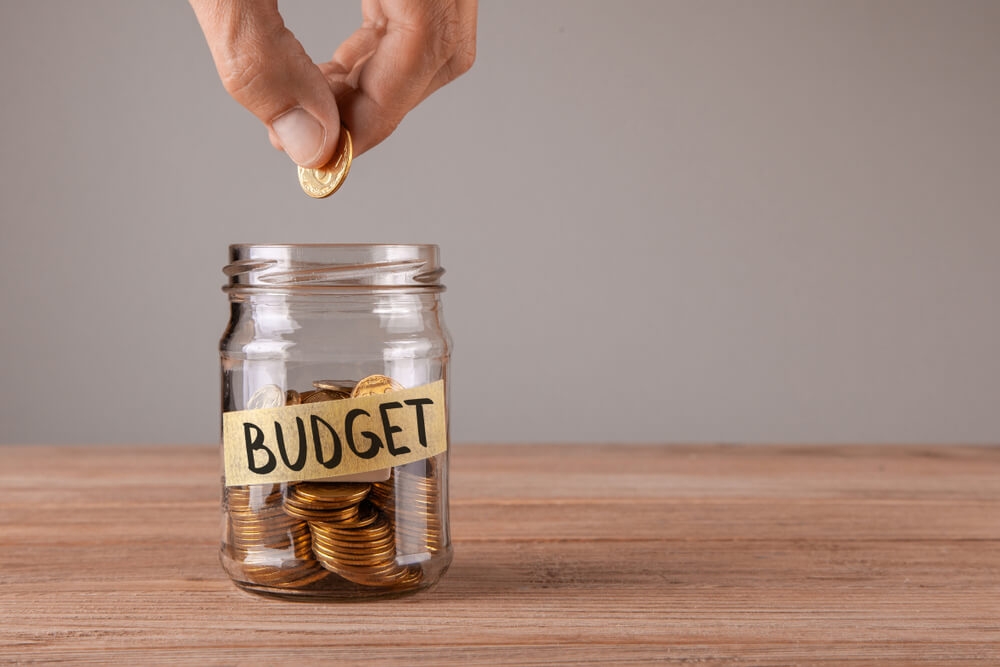
How Should I Budget During Inflation?
Inflation can make everyday financial decisions more challenging. When prices rise, the same amount of money buys fewer goods and services, affecting everything from groceries and housing to transportation and entertainment. A budget that worked well a year ago may no longer reflect your current reality.
During inflation, budgeting becomes less about simply cutting expenses and more about adapting your financial plan. The goal is to protect your purchasing power, prioritize what matters most, and make informed decisions about spending, saving, and investing. By adjusting your approach, you can manage rising costs while still working toward your financial goals.
Understand How Inflation Affects Your Budget
The first step in budgeting during inflation is recognizing where rising prices are affecting you most. Inflation does not impact every category equally. Some expenses may increase significantly, while others may stay relatively stable.
Common areas affected by inflation include:
-
Food: Grocery prices and restaurant costs often rise quickly.
-
Housing: Rent increases, higher mortgage rates, and rising maintenance costs can affect households.
-
Transportation: Fuel prices, vehicle repairs, and insurance costs may increase.
-
Utilities: Energy and household service costs can become more expensive.
-
Healthcare: Medical expenses and insurance premiums may rise over time.
Review your recent spending and compare it with your previous budget. Identify which categories have increased and determine whether those changes are temporary or likely to continue.
Rebuild Your Budget Based on Current Prices
A common mistake during inflation is continuing to use an outdated budget. If your income has stayed the same while prices have increased, your old spending plan may no longer be realistic.
Start by creating a new budget based on your current income and expenses. List:
-
Monthly income after taxes
-
Essential expenses
-
Debt payments
-
Savings contributions
-
Optional spending
Separate expenses into three categories:
1. Essential Expenses
These are costs you need to maintain your basic lifestyle, such as:
-
Housing
-
Food
-
Utilities
-
Insurance
-
Healthcare
-
Transportation
During inflation, these should receive priority in your budget.
2. Important but Flexible Expenses
These expenses improve your quality of life but can be adjusted if necessary:
-
Dining out
-
Subscriptions
-
Hobbies
-
Clothing
-
Travel
You do not necessarily need to eliminate these expenses, but you may need to reduce them.
3. Non-Essential Expenses
These are purchases that provide limited value compared with their cost. Examples include unused memberships, impulse purchases, or unnecessary upgrades.
Reducing waste in this category can create more room for rising essential costs.
Focus on Needs Before Wants
Inflation can force many people to rethink their spending priorities. A helpful approach is to ask whether each expense provides enough value to justify its cost.
Before making a purchase, consider:
-
Do I need this now?
-
Is there a cheaper alternative?
-
Can I delay this purchase?
-
Does this expense support my financial goals?
For example, instead of buying coffee every day, you might prepare it at home several times a week. Instead of replacing a working device, you might continue using it longer. Small changes can create meaningful savings over time.
Reduce Grocery Costs Without Sacrificing Quality
Food is often one of the most noticeable areas where inflation affects households. However, there are several ways to manage rising grocery costs.
Consider these strategies:
-
Plan meals before shopping.
-
Create a grocery list and avoid unnecessary purchases.
-
Buy store brands when quality is similar.
-
Compare prices between stores.
-
Purchase non-perishable items in bulk when it makes sense.
-
Reduce food waste by using leftovers and planning portions carefully.
It can also help to track which foods have increased the most in price and adjust your meal choices accordingly. Flexibility is often more valuable than trying to maintain exactly the same shopping habits.
Review Your Subscriptions and Recurring Expenses
Recurring expenses can quietly consume a large portion of your budget. During inflation, reviewing these costs can free up money without significantly affecting your lifestyle.
Look at:
-
Streaming services
-
Gym memberships
-
Software subscriptions
-
Premium apps
-
Delivery services
-
Automatic purchases
Cancel services you rarely use or switch to cheaper plans. Even saving a small amount each month can help offset higher costs elsewhere.
Protect Your Emergency Fund
Inflation can make emergency savings more important because unexpected expenses become more difficult to absorb.
A strong emergency fund can help cover:
-
Medical bills
-
Car repairs
-
Job loss
-
Home repairs
-
Other unexpected costs
However, inflation reduces the purchasing power of cash over time. This means your emergency fund should be large enough to handle rising costs, but you should also consider where you keep it.
Many people choose savings accounts that offer competitive interest rates so their money earns more while remaining accessible.
Be Careful With Debt
Inflation can affect borrowing costs, especially when central banks raise interest rates to slow price increases. This can make certain types of debt more expensive.
During inflation, consider:
-
Paying down high-interest debt.
-
Avoiding unnecessary new loans.
-
Reviewing variable-rate debt.
-
Maintaining a manageable monthly payment level.
Credit card debt can become especially costly because interest rates are often high. Reducing expensive debt can provide a guaranteed financial benefit by lowering future interest payments.
Look for Ways to Increase Income
Budgeting is not only about reducing spending. During inflation, increasing income can be equally important.
Possible options include:
-
Asking for a salary review.
-
Developing new skills.
-
Taking on freelance work.
-
Starting a side business.
-
Selling unused items.
-
Exploring better job opportunities.
If your expenses are rising faster than your income, cutting costs alone may not solve the problem. Increasing your earning potential can provide more long-term financial flexibility.
Continue Saving and Investing
Inflation can make people feel pressure to stop saving or investing, but maintaining long-term financial habits is important.
Saving helps provide security, while investing can help your money grow over time and potentially outpace inflation.
Depending on your goals, you may consider:
-
Retirement accounts
-
Diversified investment portfolios
-
Inflation-protected securities
-
Other assets suited to your risk tolerance
Avoid making emotional decisions based only on short-term price increases. A well-designed financial plan should consider both current challenges and future goals.
Adjust Your Budget Regularly
During periods of high inflation, reviewing your budget once a year may not be enough. Prices can change quickly, so regular updates are useful.
Consider reviewing your budget:
-
Monthly for spending adjustments
-
Quarterly for financial goals
-
Whenever your income or major expenses change
Regular reviews allow you to identify problems early and make small adjustments instead of waiting until your finances become strained.
Avoid Lifestyle Inflation
Lifestyle inflation occurs when spending increases as income rises. While improving your lifestyle is not necessarily a bad thing, excessive spending growth can make it harder to handle economic challenges.
During inflation, try to avoid automatically increasing expenses when you receive extra income. Consider using additional money to:
-
Build savings
-
Pay down debt
-
Invest
-
Strengthen your financial position
Maintaining financial discipline during good times can make difficult periods easier to manage.
Conclusion
Budgeting during inflation requires flexibility and awareness. Rising prices can make financial management more difficult, but a thoughtful budget can help you stay in control.
The key strategies are to update your budget, prioritize essential expenses, reduce unnecessary costs, protect your emergency savings, manage debt carefully, and look for opportunities to increase income. Inflation may reduce the value of money, but smart financial habits can help protect your stability and keep you moving toward your long-term goals.
A good inflation budget is not about avoiding all spending—it is about making sure every dollar is working toward what matters most.
- Arts
- Business
- Computers
- Giochi
- Health
- Home
- Kids and Teens
- Money
- News
- Personal Development
- Recreation
- Regional
- Reference
- Science
- Shopping
- Society
- Sports
- Бизнес
- Деньги
- Дом
- Досуг
- Здоровье
- Игры
- Искусство
- Источники информации
- Компьютеры
- Личное развитие
- Наука
- Новости и СМИ
- Общество
- Покупки
- Спорт
- Страны и регионы
- World

 English
 Russian
 French
 Spanish
 Portuguese
 Deutsch
 Turkish
 Dutch
Dutch
 Arabic
 Romaian
 Portuguese (Brazil)
 Greek
Greek
