
What is monetary policy?
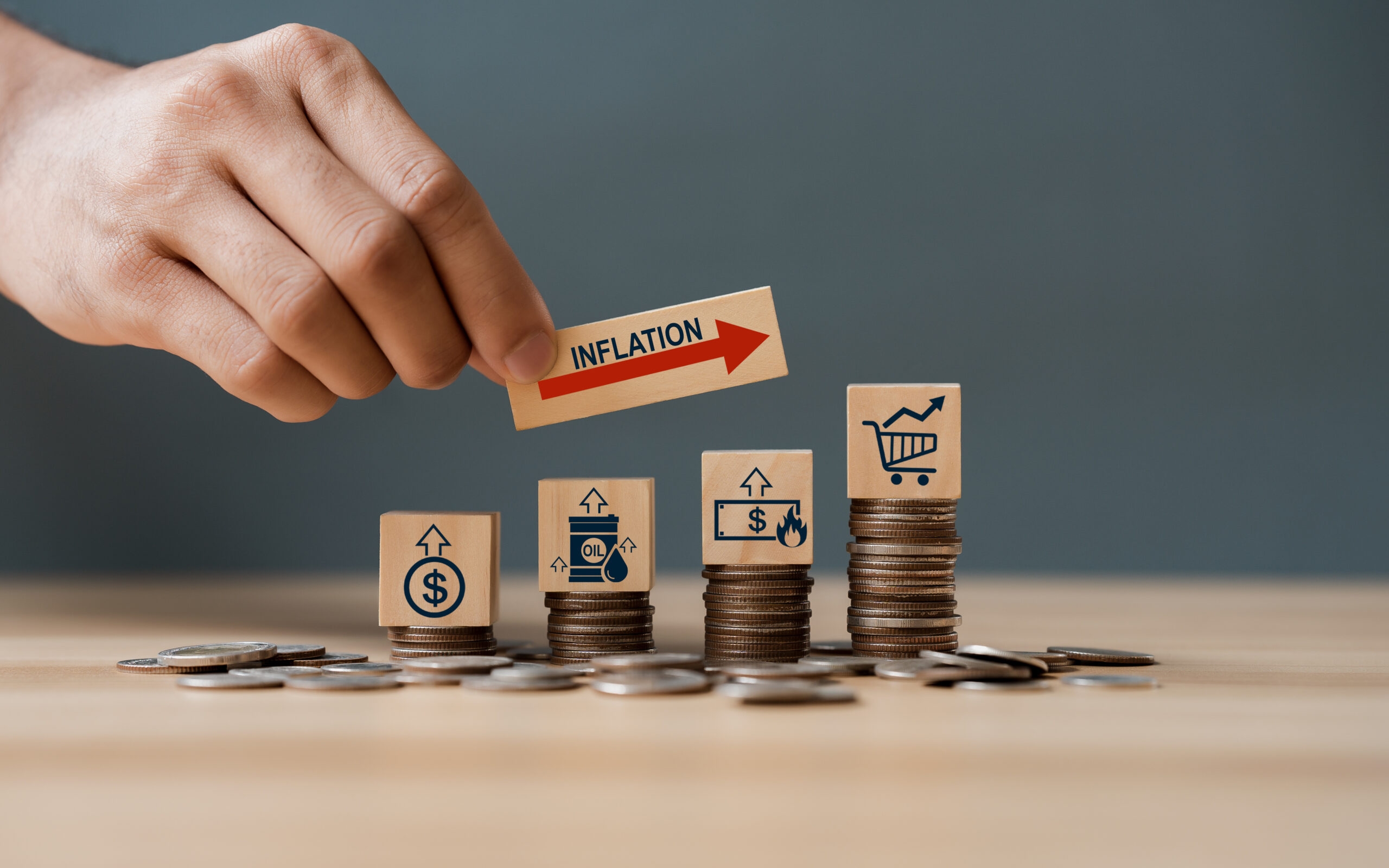
What Is Monetary Policy?
Monetary policy is the process by which a country's central bank manages the money supply, interest rates, and overall financial conditions to achieve economic goals such as stable prices, sustainable economic growth, and low unemployment. It is one of the most important tools governments use to influence the economy, although in many countries the central bank operates independently from the government.
Whether you're taking out a mortgage, saving money in a bank, running a business, or investing in the stock market, monetary policy affects your financial decisions. Understanding how it works can help explain why interest rates rise or fall, why inflation changes over time, and how central banks respond to economic crises.
Why Monetary Policy Matters
Every economy experiences periods of growth and slowdown. During strong economic expansions, inflation may rise as consumers and businesses spend more. During recessions, spending often declines, unemployment increases, and economic activity slows.
Monetary policy aims to smooth these economic cycles by influencing borrowing, spending, saving, and investment. The ultimate goals typically include:
-
Maintaining low and stable inflation
-
Supporting sustainable economic growth
-
Promoting maximum employment
-
Preserving financial system stability
-
Maintaining confidence in the national currency
Different central banks may prioritize these goals differently depending on their legal mandates.
Who Conducts Monetary Policy?
Monetary policy is usually implemented by a country's central bank. Examples include:
-
The U.S. Federal Reserve (Fed)
-
The European Central Bank (ECB)
-
The Bank of England (BoE)
-
The Bank of Japan (BoJ)
-
The Reserve Bank of Australia (RBA)
These institutions regularly assess economic data, including inflation, employment, wage growth, consumer spending, and global economic conditions before making policy decisions.
The Main Tools of Monetary Policy
Central banks have several tools to influence the economy.
1. Interest Rates
The most widely used tool is setting benchmark interest rates.
When a central bank raises interest rates:
-
Borrowing becomes more expensive.
-
Mortgage and loan payments often increase.
-
Consumers and businesses tend to spend less.
-
Inflation usually slows over time.
When it lowers interest rates:
-
Loans become cheaper.
-
Businesses invest more.
-
Consumers spend more.
-
Economic activity generally increases.
Interest rate changes affect nearly every part of the economy.
2. Open Market Operations
Central banks buy or sell government securities in financial markets.
Buying government bonds:
-
Adds money to the banking system.
-
Encourages lending.
-
Lowers market interest rates.
Selling government bonds:
-
Removes money from circulation.
-
Reduces lending.
-
Helps cool inflation.
These operations help manage short-term liquidity.
3. Reserve Requirements
Some central banks require commercial banks to keep a percentage of customer deposits as reserves.
Higher reserve requirements:
-
Reduce the amount banks can lend.
-
Slow credit growth.
Lower reserve requirements:
-
Increase available lending.
-
Support economic expansion.
Many modern central banks rely less on this tool than in previous decades.
4. Quantitative Easing (QE)
When interest rates are already very low, central banks may purchase large quantities of government bonds and other financial assets.
Quantitative easing aims to:
-
Increase money in the financial system
-
Lower long-term borrowing costs
-
Encourage investment
-
Support economic recovery
QE became widely used after the 2008 global financial crisis and again during the COVID-19 pandemic.
5. Forward Guidance
Central banks also influence markets simply by communicating their future intentions.
If policymakers indicate that interest rates will remain low for an extended period, businesses and investors may become more willing to borrow and invest.
Clear communication helps reduce uncertainty and improves the effectiveness of monetary policy.
Types of Monetary Policy
Monetary policy generally falls into two categories.
Expansionary Monetary Policy
Expansionary policy is used when economic growth is weak or unemployment is high.
Typical actions include:
-
Lowering interest rates
-
Buying government securities
-
Increasing money supply
-
Supporting bank lending
The goal is to encourage borrowing, spending, investment, and job creation.
Contractionary Monetary Policy
Contractionary policy is used when inflation becomes too high.
Typical actions include:
-
Raising interest rates
-
Selling government securities
-
Reducing money supply
The objective is to slow demand and bring inflation back under control.
How Monetary Policy Affects Everyday Life
Monetary policy has direct effects on households and businesses.
Borrowing Costs
Interest rate changes influence:
-
Mortgage rates
-
Car loans
-
Personal loans
-
Credit card interest
-
Business financing
Higher rates increase borrowing costs, while lower rates reduce them.
Savings
When rates rise, banks often offer better returns on savings accounts and fixed deposits.
Lower interest rates usually reduce savings income.
Employment
Expansionary policies often encourage businesses to expand and hire more workers.
Contractionary policies may slow hiring as businesses reduce investment.
Housing Market
Lower mortgage rates generally increase housing demand and home prices.
Higher rates often cool housing markets by making homes less affordable.
Investments
Changes in interest rates influence:
-
Stock prices
-
Bond prices
-
Real estate
-
Currency values
Financial markets closely watch every central bank announcement.
Monetary Policy and Inflation
Inflation measures how quickly prices increase over time.
If inflation rises too quickly:
-
Purchasing power falls.
-
Household budgets become strained.
-
Business planning becomes more difficult.
Central banks typically respond by raising interest rates to reduce spending and borrowing.
If inflation is too low—or the economy falls into deflation, where prices decline—central banks may lower rates to stimulate demand.
Many central banks aim for an inflation target of around 2%, believing it supports stable economic growth while avoiding both excessive inflation and deflation.
Monetary Policy vs. Fiscal Policy
Although both influence the economy, monetary policy and fiscal policy are different.
| Monetary Policy | Fiscal Policy |
|---|---|
| Managed by the central bank | Managed by the government |
| Uses interest rates and money supply | Uses taxes and government spending |
| Can often be adjusted quickly | Usually requires legislative approval |
| Focuses on financial conditions | Focuses on government budgets and public investment |
The two policies often work together during major economic events.
For example, during a recession, governments may increase public spending while central banks lower interest rates.
Challenges of Monetary Policy
Monetary policy is powerful but not perfect.
Some common challenges include:
Time Lags
Policy changes do not affect the economy immediately.
It may take several months—or even years—for interest rate changes to fully influence inflation and employment.
Global Factors
Inflation is not always caused by domestic demand.
Global events such as:
-
Oil price shocks
-
Supply chain disruptions
-
Wars
-
Natural disasters
can raise prices even when domestic demand is weak.
Balancing Growth and Inflation
Central banks must carefully balance competing objectives.
If rates stay too low for too long:
-
Inflation may become excessive.
-
Asset bubbles may develop.
If rates rise too quickly:
-
Economic growth may stall.
-
Unemployment may increase.
Finding the right balance is one of the most difficult aspects of policymaking.
Real-World Example
Imagine inflation rises to 6%, well above the central bank's target.
The central bank decides to increase interest rates.
As borrowing becomes more expensive:
-
Consumers delay major purchases.
-
Businesses reduce expansion plans.
-
Housing demand slows.
-
Spending declines.
-
Inflation gradually falls toward the target.
Conversely, during a recession, the central bank may cut interest rates to encourage borrowing and investment, helping the economy recover.
The Future of Monetary Policy
Central banking continues to evolve as economies change.
New developments include:
-
Digital payment systems
-
Central bank digital currencies (CBDCs)
-
Artificial intelligence in economic forecasting
-
Climate-related financial risks
-
Increasing global economic integration
These factors are expanding the range of issues central banks must consider when designing monetary policy.
Conclusion
Monetary policy is one of the most influential forces shaping modern economies. By adjusting interest rates, managing the money supply, and guiding financial markets, central banks aim to maintain price stability, encourage sustainable economic growth, and support employment.
Although monetary policy cannot solve every economic problem, it plays a critical role in responding to inflation, recessions, and financial crises. Understanding its objectives and tools helps explain why central bank decisions receive so much attention and how those decisions ultimately affect households, businesses, investors, and the broader economy.
- Arts
- Business
- Computers
- الألعاب
- Health
- الرئيسية
- Kids and Teens
- مال
- News
- Personal Development
- Recreation
- Regional
- Reference
- Science
- Shopping
- Society
- Sports
- Бизнес
- Деньги
- Дом
- Досуг
- Здоровье
- Игры
- Искусство
- Источники информации
- Компьютеры
- Личное развитие
- Наука
- Новости и СМИ
- Общество
- Покупки
- Спорт
- Страны и регионы
- World

 English
 Russian
 French
 Spanish
 Portuguese
 Deutsch
 Turkish
 Dutch
Dutch
 Italiano
 Romaian
 Portuguese (Brazil)
 Greek
Greek
